Description
Premium Finishes
Coating & Lamination
Special Capabilities
Material
Description
Custom Straight Tuck End Boxes
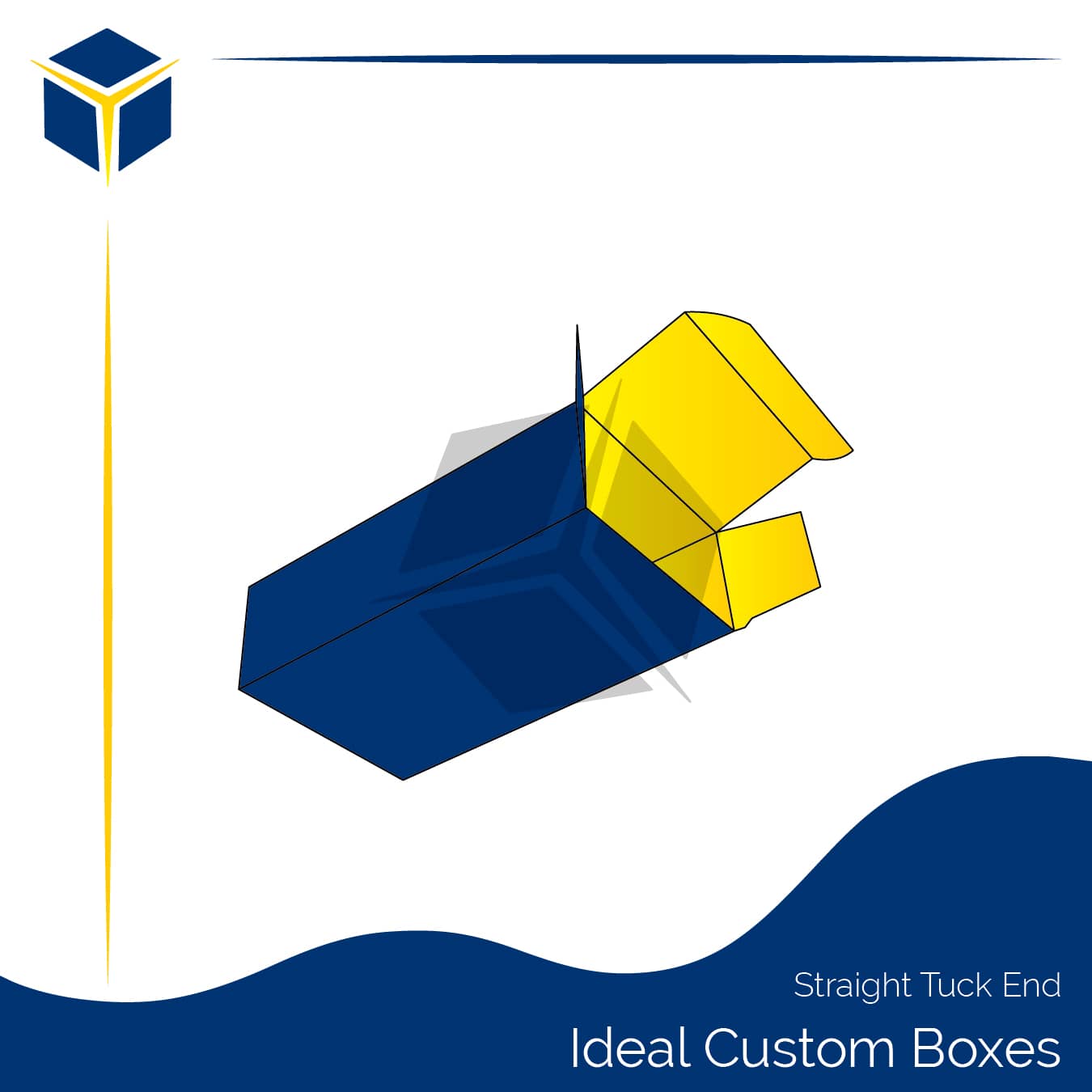
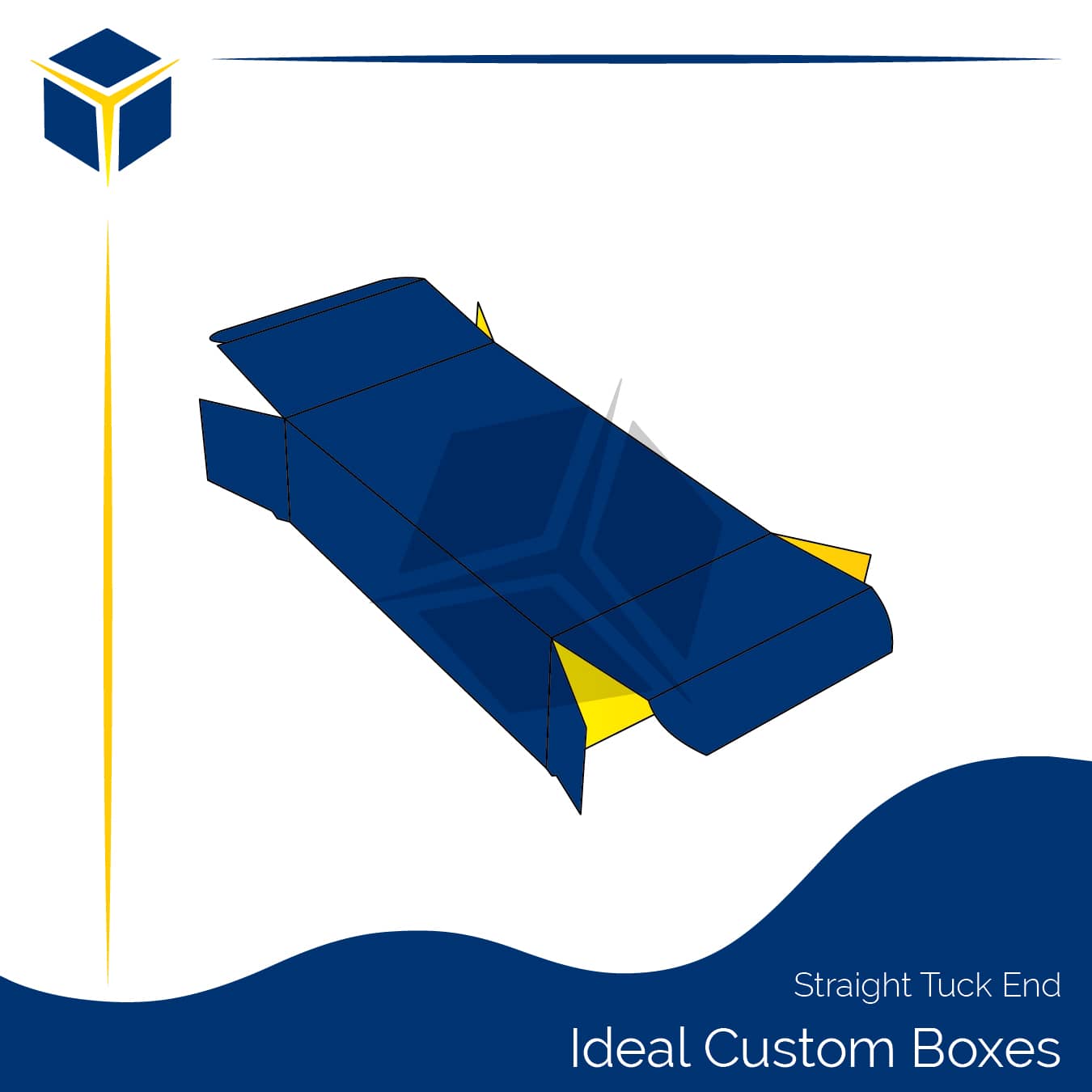
Straight tuck end boxes are custom folding cartons with tuck-end openings at the top and bottom, where the main tuck flaps close in the same direction. This closure orientation is the defining structural feature that separates a Straight Tuck End box from a Reverse Tuck End box.
This style may suit lightweight retail products such as cosmetics and skincare containers, soaps, small accessories, and other items that fit the approved carton dimensions. Product dimensions, packed weight, orientation, artwork layout, window placement, and any insert requirements should all be considered before the final structure is confirmed. Ideal Custom Boxes offers custom sizing and printing through a quote-based ordering process, with Low MOQs available.
How Straight Tuck End Boxes Work
A Straight Tuck End carton uses tuck closures at both ends of the box. The main tuck flaps at the top and bottom are oriented in the same direction, creating the characteristic Straight Tuck End configuration.
The structure is designed around a folding-carton format with front, back, and side surfaces that provide space for product information and branded artwork. Exact panel, seam, flap, and locking details depend on the approved production dieline for the specific order.
Because closure orientation affects the finished layout, it should be considered when planning artwork, product orientation, windows, and other structural additions.
How Straight Tuck End Boxes Open and Close
Product access is through the tuck-end opening. To close the carton, the main tuck flap folds into the opening and holds the end of the carton closed according to the approved structural configuration. Unlike Reverse Tuck End boxes, the primary tuck flaps at both ends of a Straight Tuck End carton close in the same direction.
The exact arrangement of secondary flaps, seams, and other structural features can vary according to the final dieline, so final artwork and packing decisions should always follow the approved production specification.
Assembly and Packing Considerations
Straight Tuck End cartons must be formed into their usable shape before the product is packed. The exact assembly sequence depends on the approved carton configuration. Product dimensions, weight, orientation, and packing method should therefore be reviewed before production rather than assuming that every Straight Tuck End box will assemble or perform in exactly the same way.
If the product requires internal positioning, a window, insert, divider, or another structural addition, include that requirement when requesting a quote so compatibility can be reviewed with the final design.
Suitable Uses for Straight Tuck End Boxes
Straight Tuck End boxes can be a practical option for lightweight retail products that fit the approved carton dimensions and do not require a more specialized structural format.
Potential applications include:
- Cosmetics and skincare containers
- Soaps and similar compact retail products
- Small accessories
- Personal-care products with suitable dimensions
- Lightweight packaged goods
- Other retail products suited to a folding-carton format
Product suitability should be based on the actual packed dimensions, packed weight, orientation, fragility, and presentation requirements rather than the product category alone.
Structural Advantages and Limitations
The main advantage of a Straight Tuck End box is its straightforward tuck-end configuration with both primary closure flaps oriented in the same direction. This can provide a clean folding-carton format while allowing the front and other exterior panels to carry printed branding and product information.
The structure is also useful when the chosen product orientation, artwork layout, and packing process work well with same-direction tuck closures. However, Straight Tuck End cartons are not automatically suitable for every product or shipping situation.
Important factors to consider include:
- Packed product weight
- Product movement inside the carton
- Product fragility
- Glass or liquid containers
- Need for internal inserts or dividers
- Window placement
- Product orientation
- Parcel-shipping requirements
A retail folding carton should not automatically be treated as a carrier-ready shipping box. An appropriate outer mailer or shipping carton may be required when the packaged product will move through a parcel-delivery network.
Custom Sizes and Product Fit
Straight Tuck End boxes can be quoted to custom dimensions based on the product being packaged. For the most useful quotation, provide the dimensions of the packed product rather than estimating the outside size of the final carton.
Important details include:
- Packed product length, width, and height
- Packed product weight
- Product orientation
- Required quantity
- Artwork status
- Window requirements
- Insert or divider requirements
- Intended packaging use
- Delivery ZIP code
These details help determine whether the Straight Tuck End structure is appropriate before the final carton specification is approved.
Materials, Printing and Finishing
Material, printing, and finishing selections should be matched to the final product dimensions, packed weight, artwork, and packaging requirements. Available material and board specifications are confirmed during the quotation process so the selected option can be reviewed against the final Straight Tuck End structure.
Printing and finishing requirements should also be discussed before production. Depending on the approved order specification, the quote process can address color requirements, artwork coverage, and requested finishing details. Final availability depends on the approved packaging specification rather than a generic material or finishing list.
Windows, Inserts and Dividers
A window can be requested for a Straight Tuck End box, but its final position should be planned around the production dieline. Window placement should avoid interfering with folds, tuck closures, seams, or other structural areas.
If the product requires an insert or divider, provide the packed product dimensions and internal-packaging requirements with your quote request. Compatibility should be reviewed as part of the final structure because insert design depends on the product dimensions, orientation, and carton configuration.
Artwork and Dieline Requirements
Final artwork should be prepared using the approved production dieline for the quoted Straight Tuck End box. The dieline determines the actual panel layout, fold positions, closure areas, seam position, and approved placement of structural features such as windows.
A generic Straight Tuck End template should not be used for final production artwork unless it matches the approved specification for the order.
When preparing artwork:
- Keep important design elements away from folds and structural areas.
- Consider how the tuck orientation affects the front and back panels.
- Plan window placement around the approved structure.
- Check artwork against the final dieline before approval.
- Review the digital proof carefully before production.
Straight Tuck End vs Reverse Tuck End
Straight Tuck End and Reverse Tuck End boxes are closely related folding-carton styles, but their main tuck closures are arranged differently.
| Feature | Straight Tuck End | Reverse Tuck End |
|---|---|---|
| Main tuck flaps | Close in the same direction | Close in opposite directions |
| Main difference | Same-direction closure orientation | Opposing closure orientation |
| Product access | Through tuck-end openings | Through tuck-end openings |
| Artwork planning | Closure direction and final dieline should be considered | Opposing flap arrangement changes the dieline layout |
| Window planning | Must avoid folds and structural areas | Same requirement with a different flap arrangement |
| Best choice | Depends on product orientation, artwork and packing process | Depends on product orientation, artwork and packing process |
Neither structure is universally better. Choose between Straight Tuck End and Reverse Tuck End based on the packed product dimensions, product orientation, artwork layout, window requirements, packing process, and final structural specification. If bottom assembly is an important part of your packing process, you can also compare Tuck End with Auto Locks and Tuck End with Snap Locks before finalizing the structure.
How to Request a Custom Quote
Straight Tuck End boxes are supplied through a custom quotation process rather than fixed ecommerce pricing.
1. Provide Your Packaging Requirements
Send your:
- Packed product dimensions
- Packed product weight
- Required quantity
- Product or packaging use
- Artwork status
- Delivery ZIP code
- Window requirements, if any
- Insert or divider requirements, if any
2. Confirm the Packaging Specification
Your product and customization requirements can be reviewed so the quotation reflects the requested Straight Tuck End structure.
3. Review Artwork and Proof
Artwork should be checked against the approved production dieline. A digital proof can be reviewed as part of the approval workflow before production.
4. Approve the Order
Once the final specification, quotation, and artwork requirements are approved, the order can proceed according to the agreed production details.
- MOQ: Low MOQs
- Standard turnaround: 12 to 14 business days
- Express turnaround: 6 to 8 business days
Shipping terms and applicable costs are confirmed through the quotation. Explore more box styles if you want to compare different closure, shape, and assembly configurations.
Premium Finishes
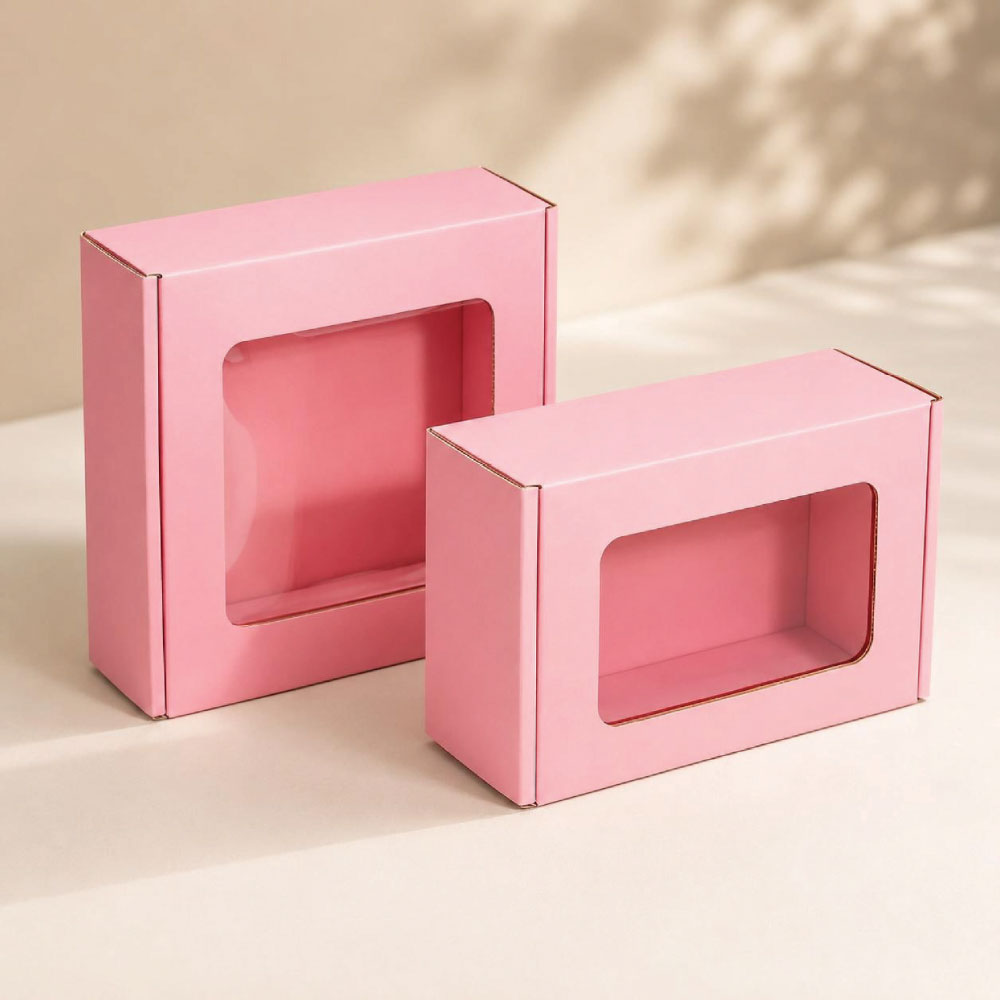
Window Patching
Special technique with a transparent plastic film covering the cut-out.
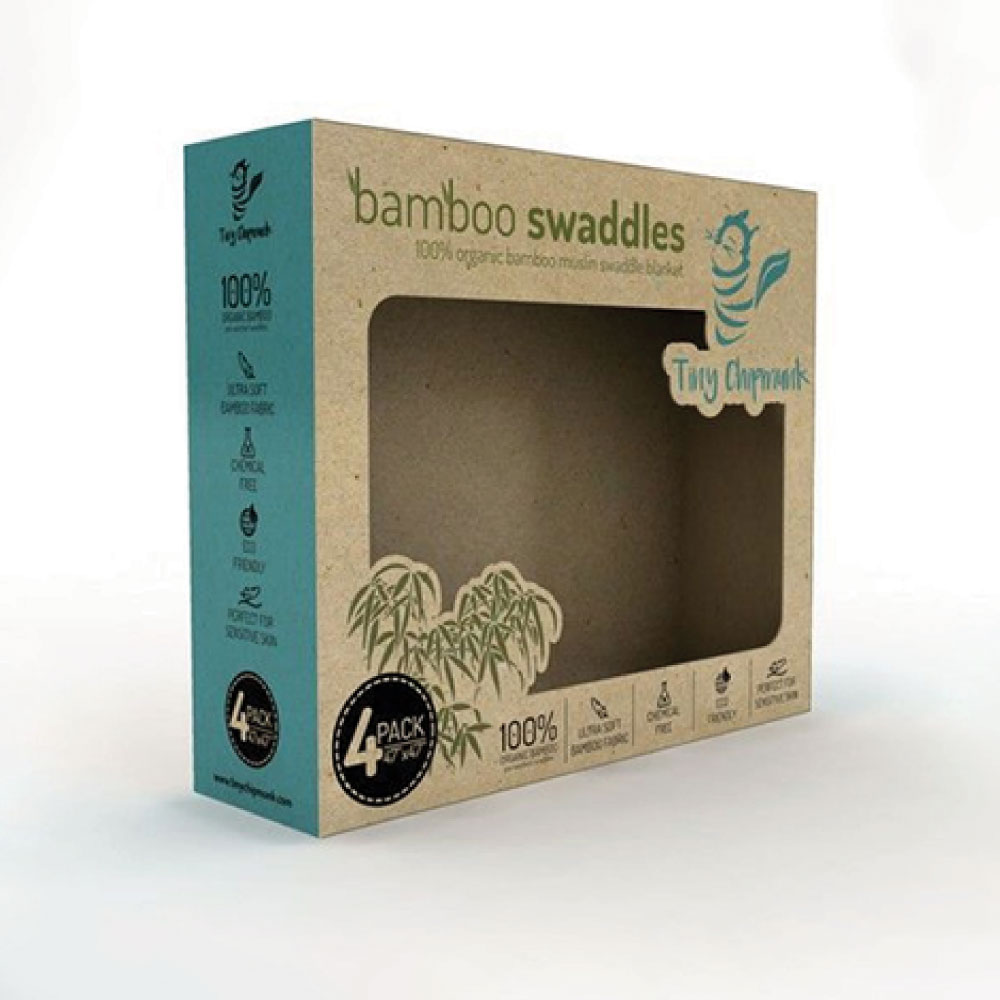
Window Die-cut
Special process where a cut-out is created on the packaging surface.
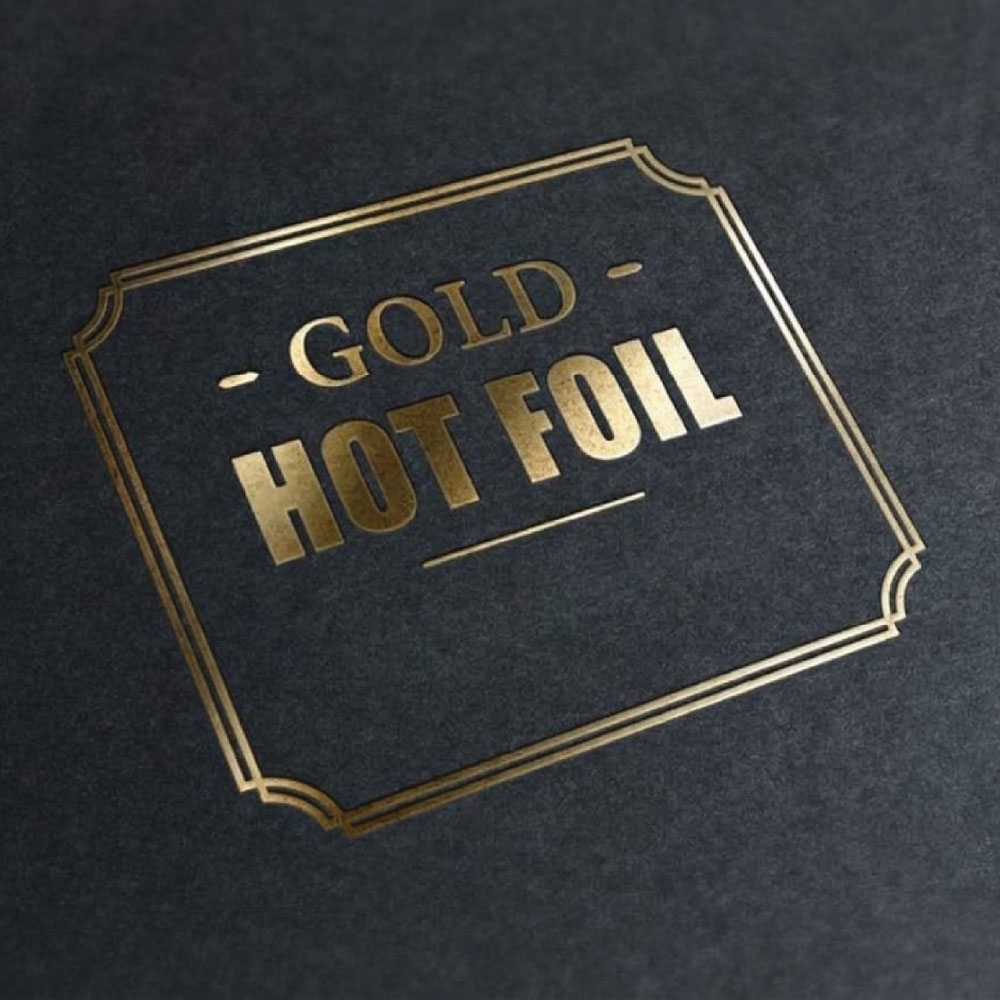
Stamping
Heat transferred foil onto paper surface.
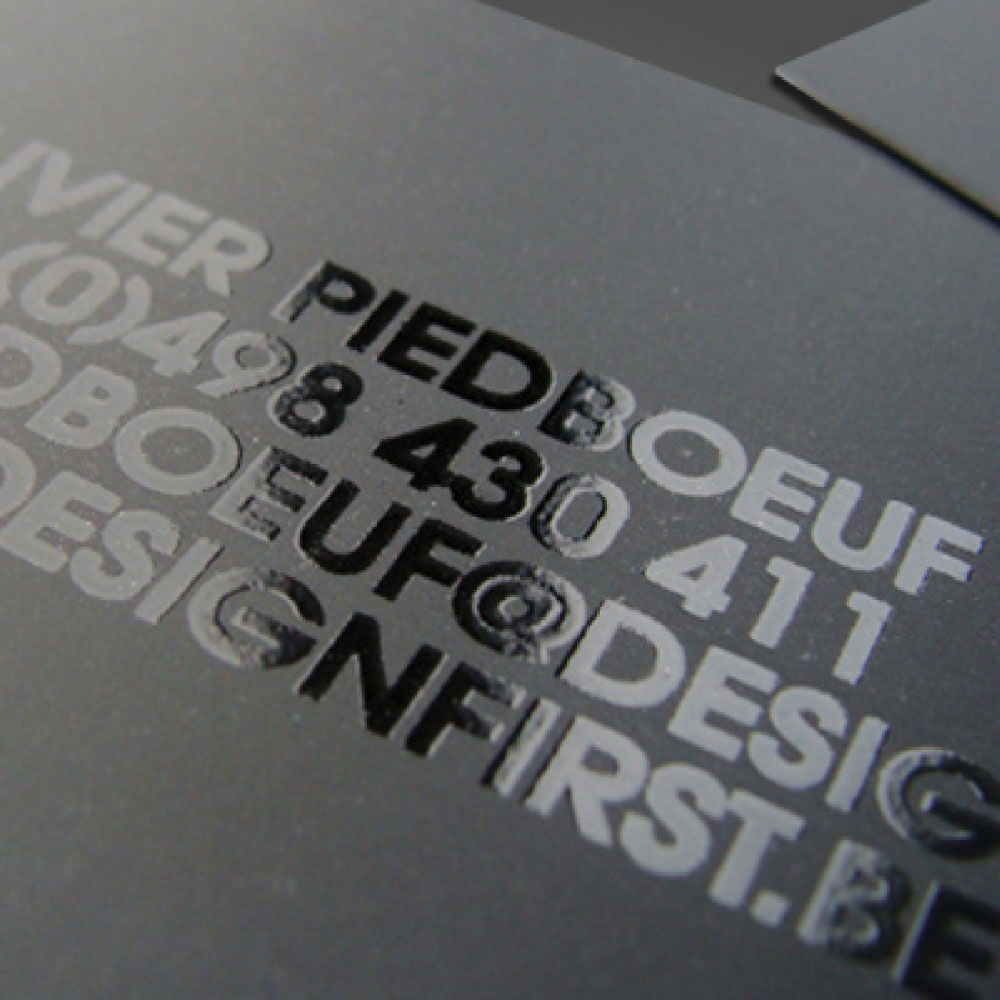
Spot UV
UV gloss coating cured on specific areas.
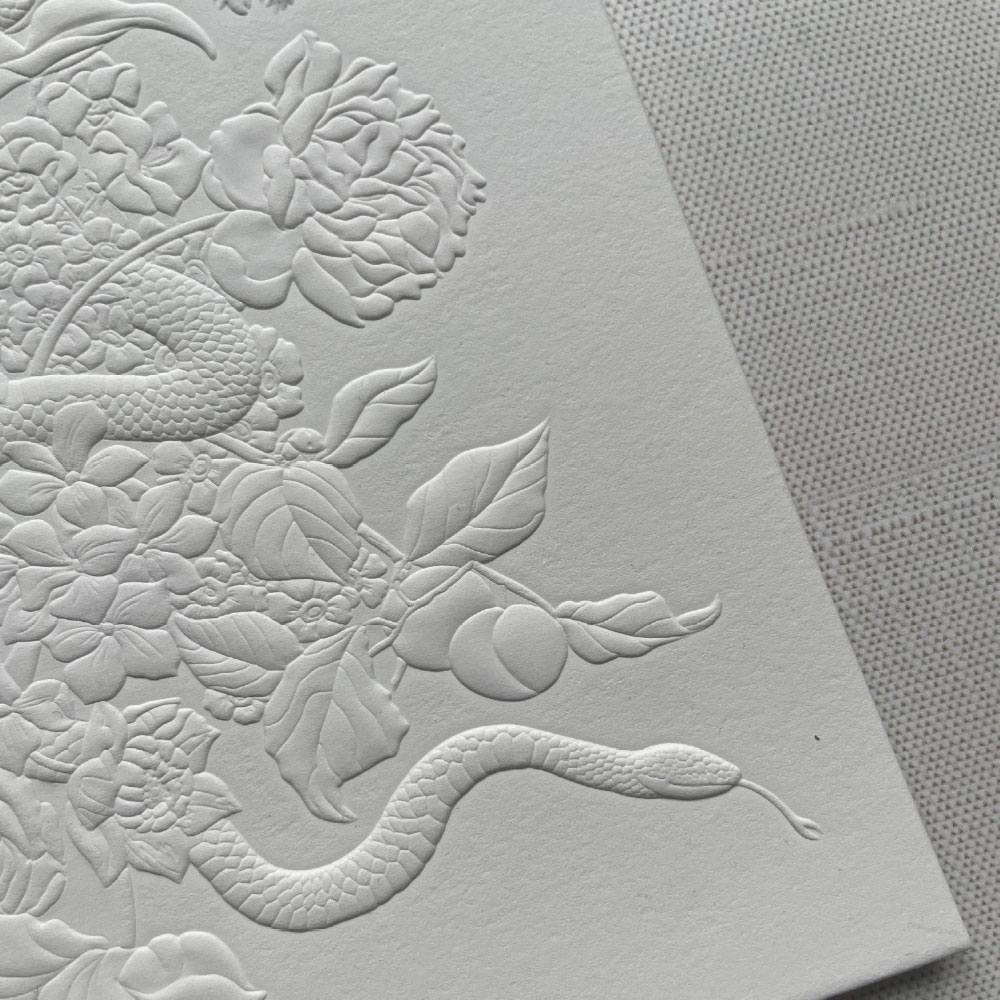
Emboss
Special process that creates a raised or recessed pattern on the surface.
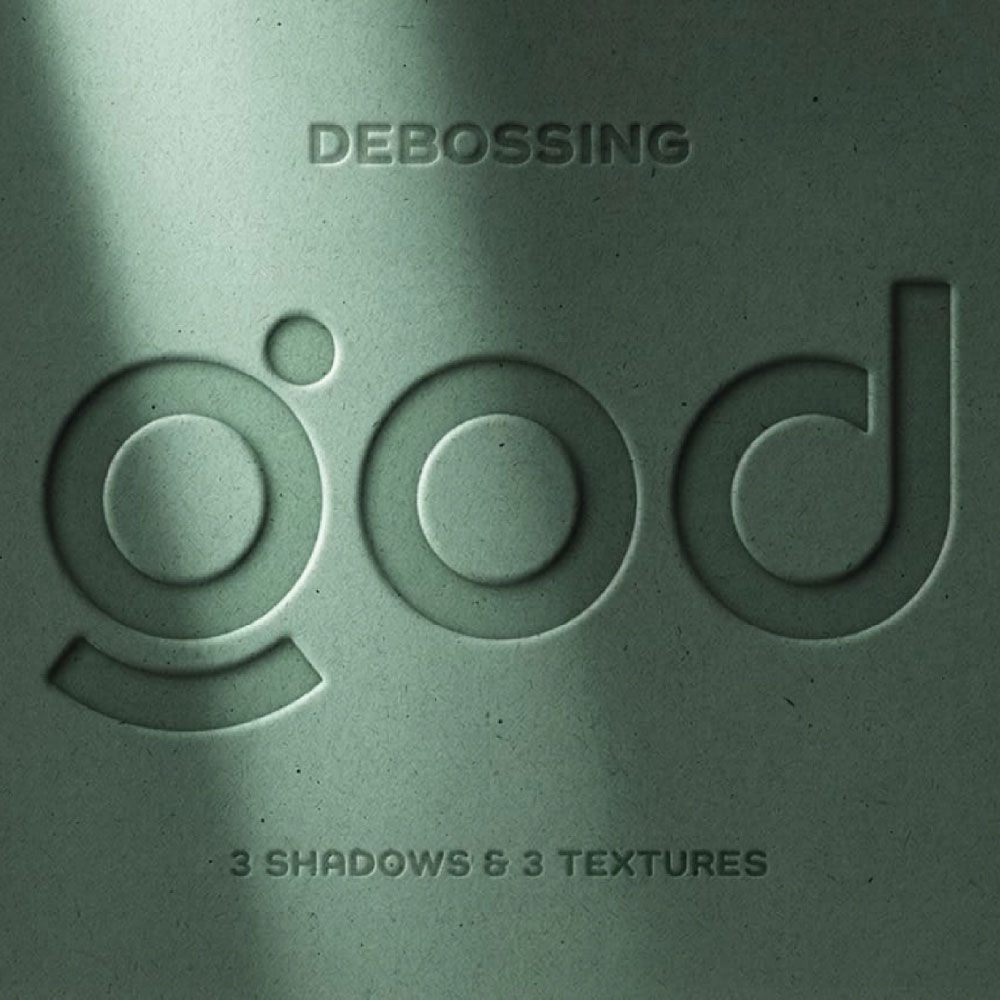
Deboss
Special process that creates a raised or recessed pattern on the surface.
Coating & Lamination
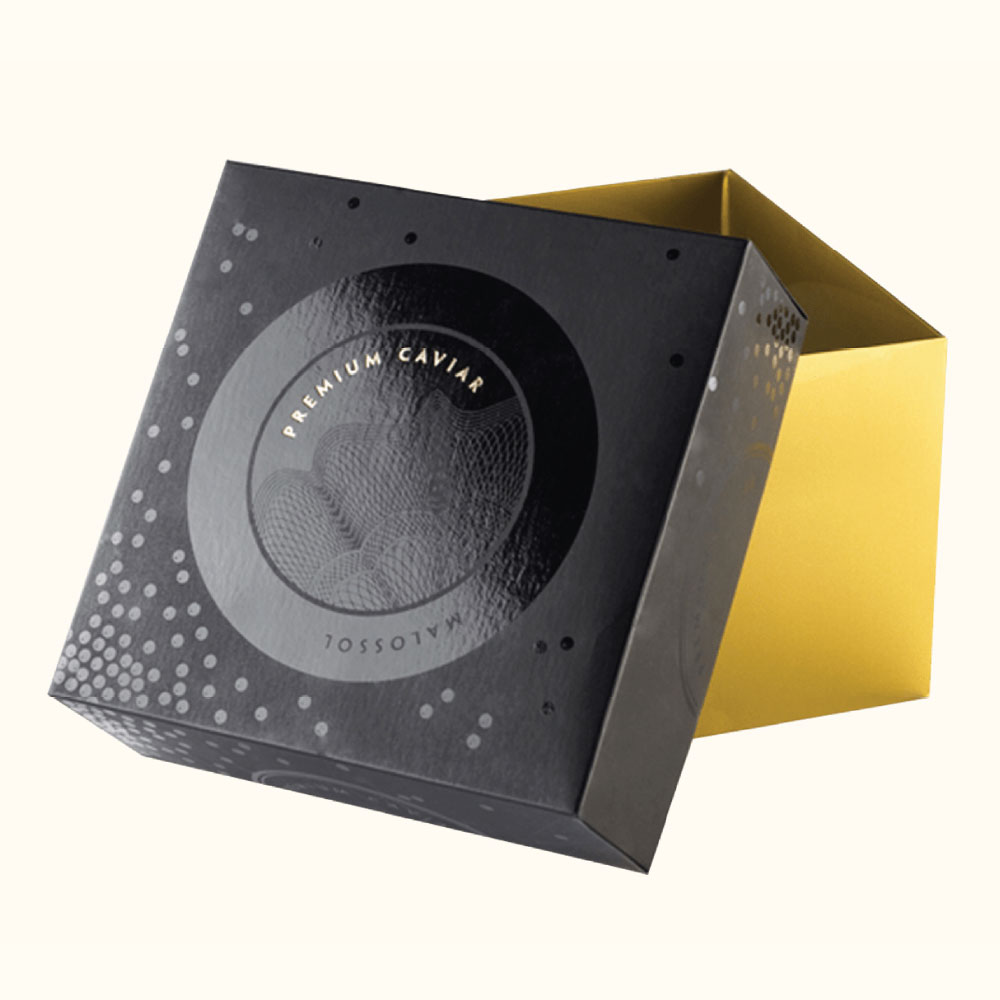
Varnish
Inexpensive option that coats and adds surface protection.
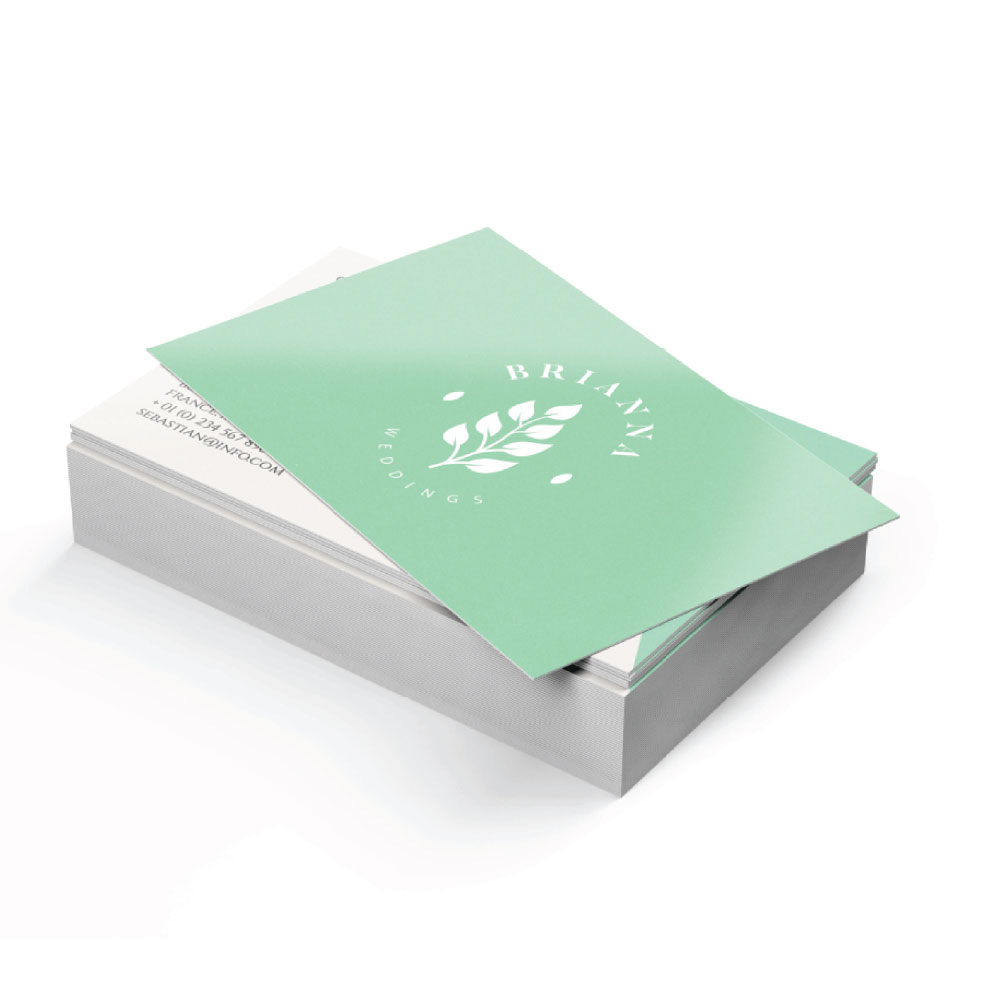
Soft Touch
Ink coating that produces smooth surface. Cheaper alternative to lamination.
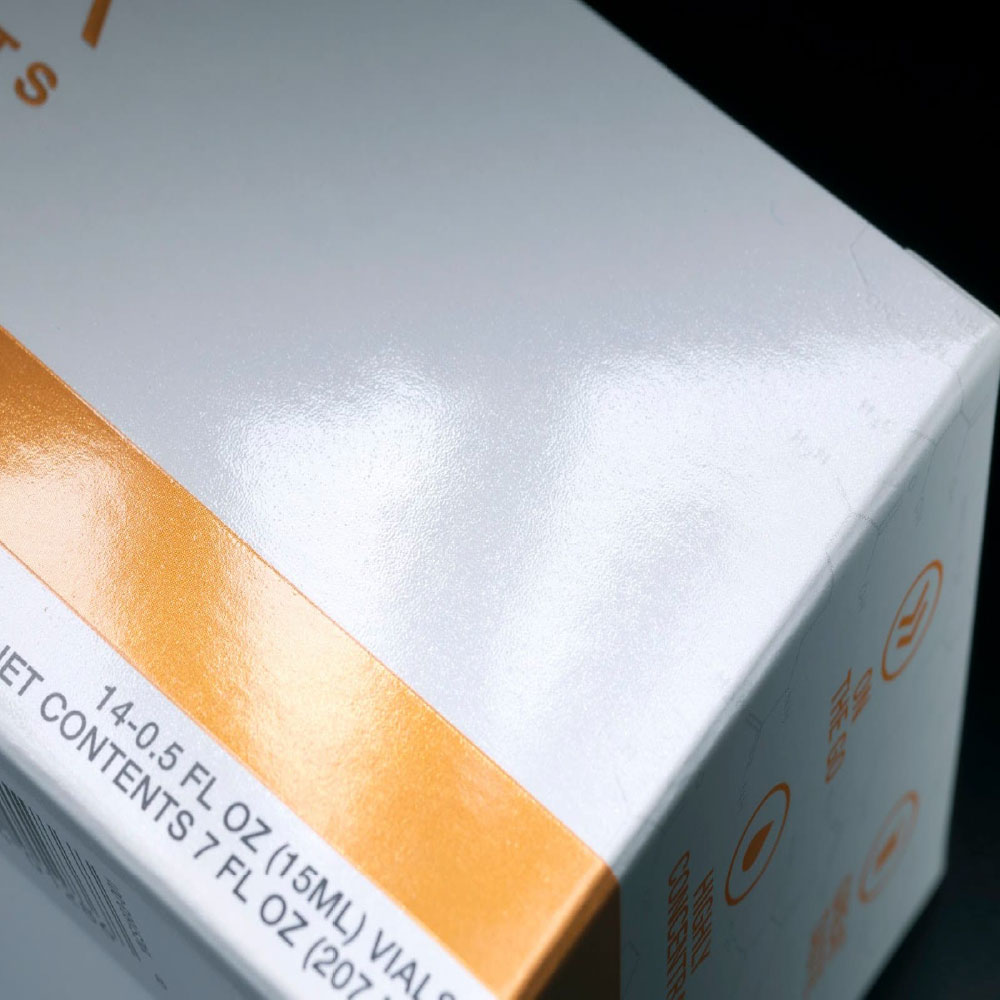
Pearlescent Coating
Give your surface extra decorative shimmer and shine.
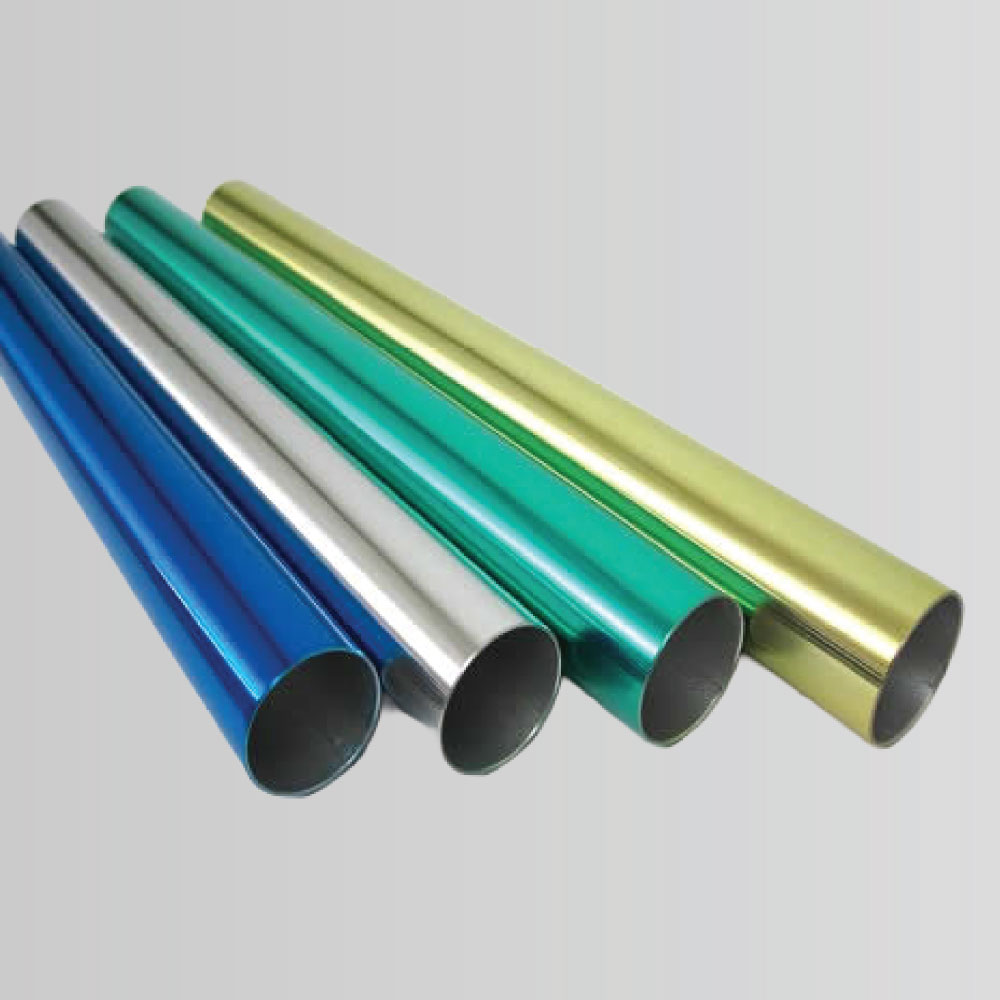
Metallic Coating
Add an extra metallic sheen to your box surface.
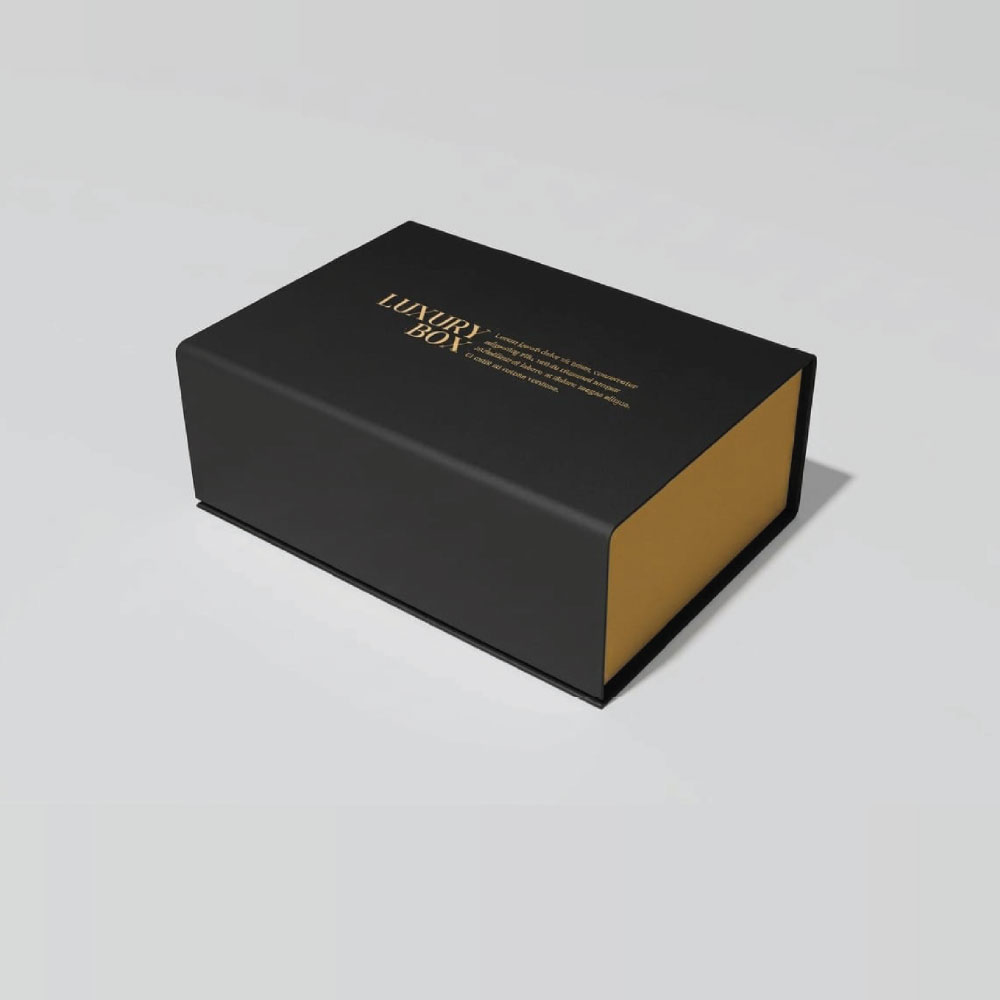
Matte
Special process that creates a raised or recessed pattern on the surface.
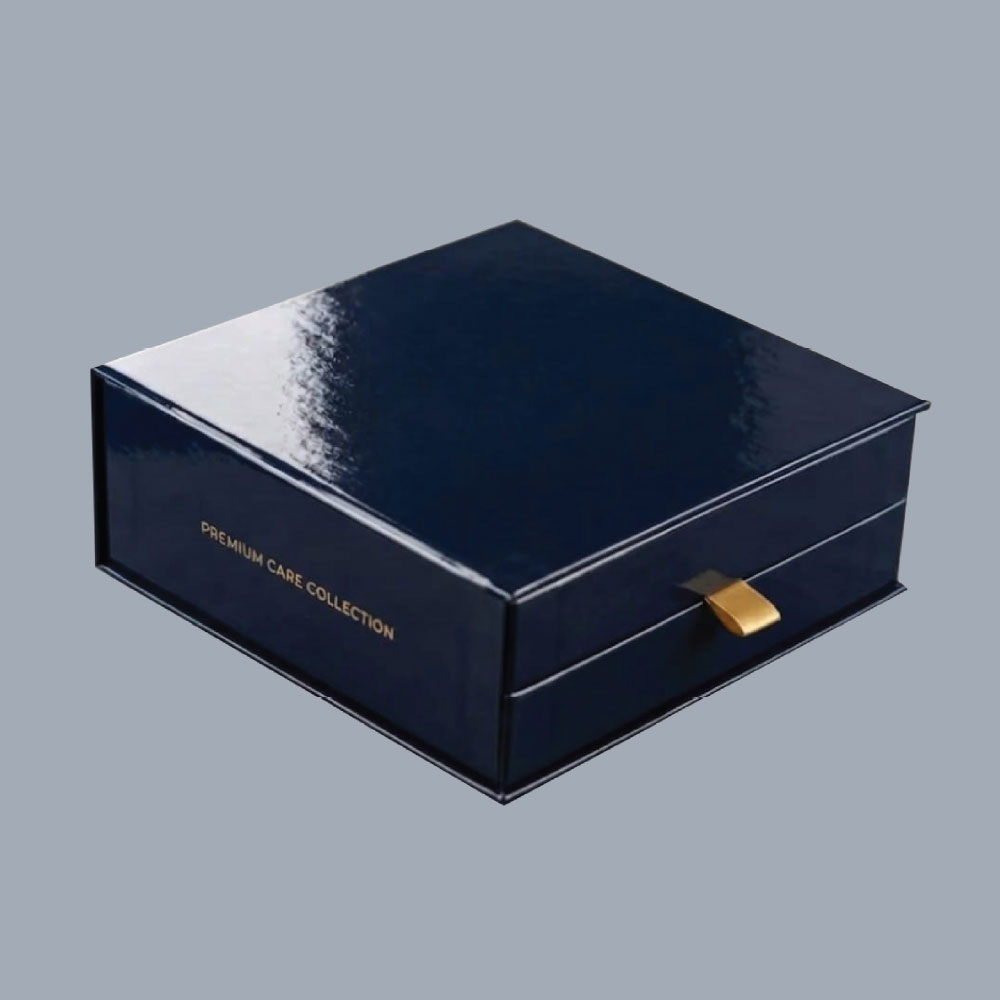
Gloss
Thin layer that gives the box a glossy surface.
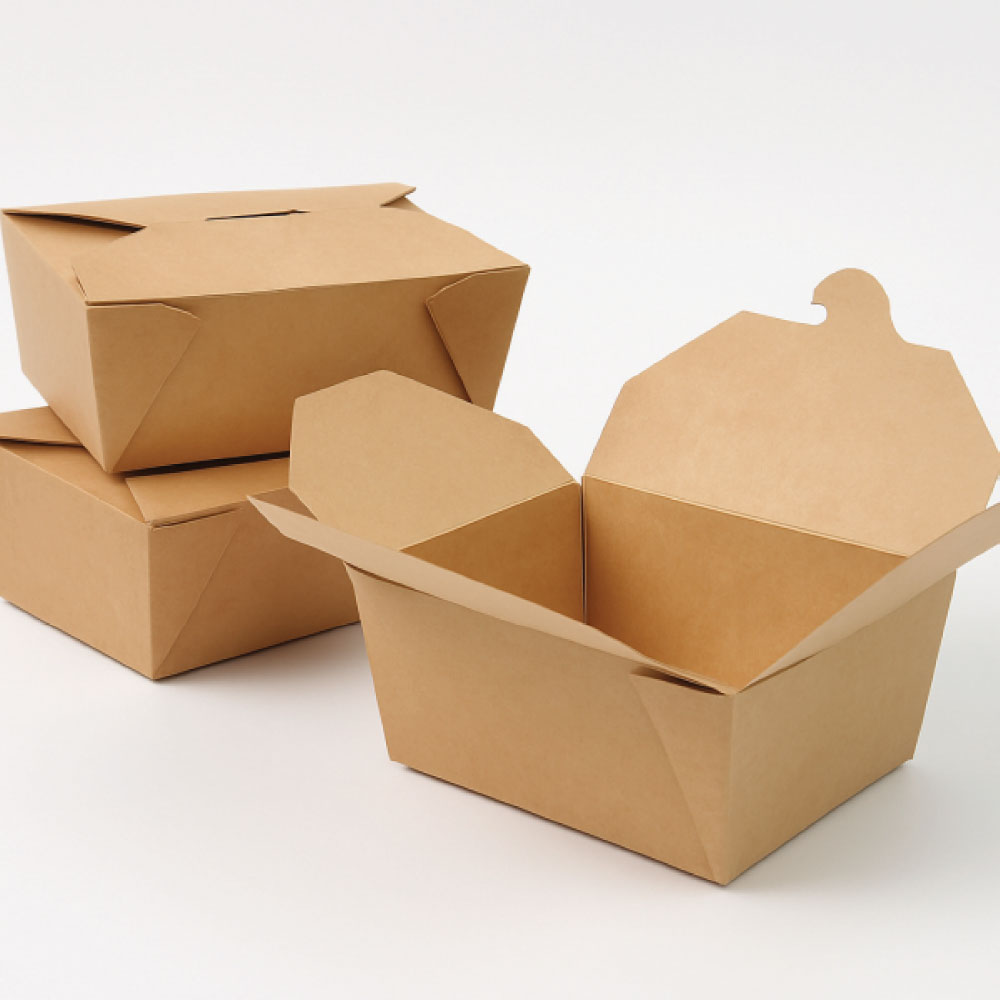
Food Coating
Inexpensive option that coats and adds surface protection.
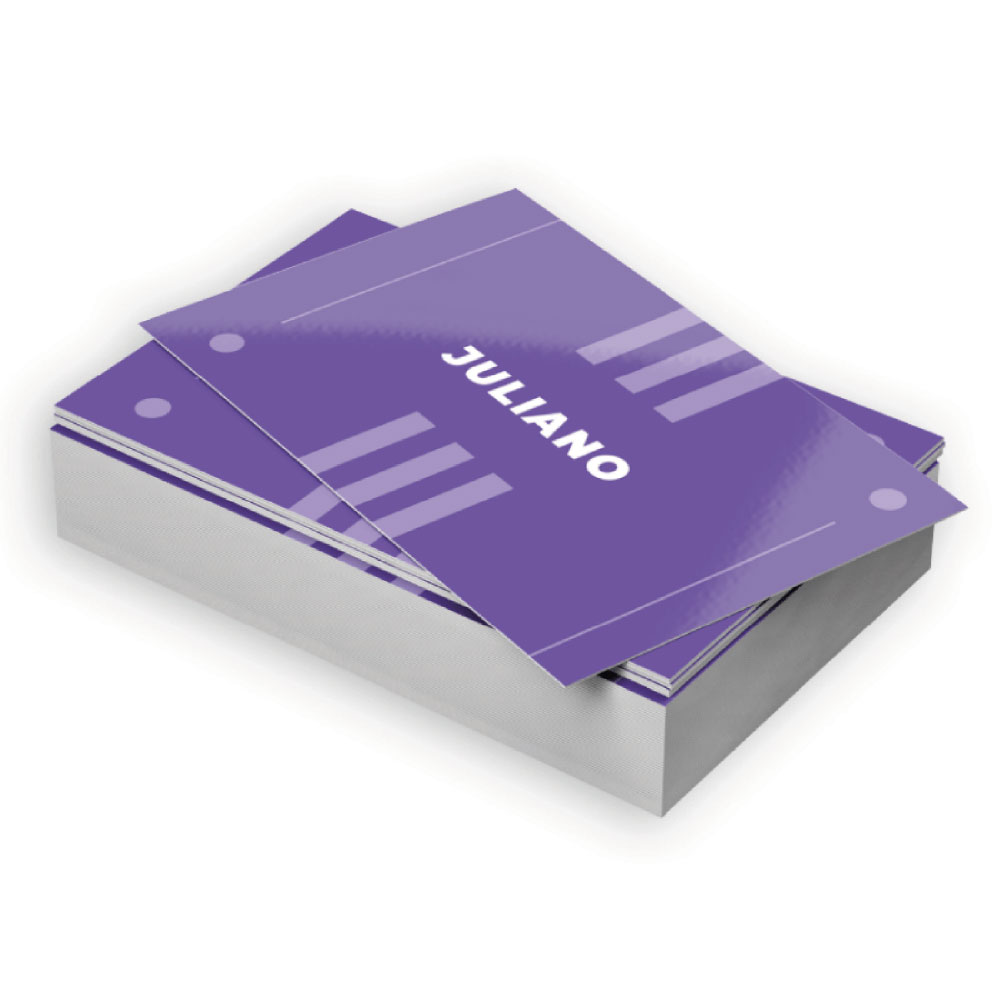
AQ Coating
Ink coating that produces smooth surface. Cheaper alternative to lamination.
Special Capabilities
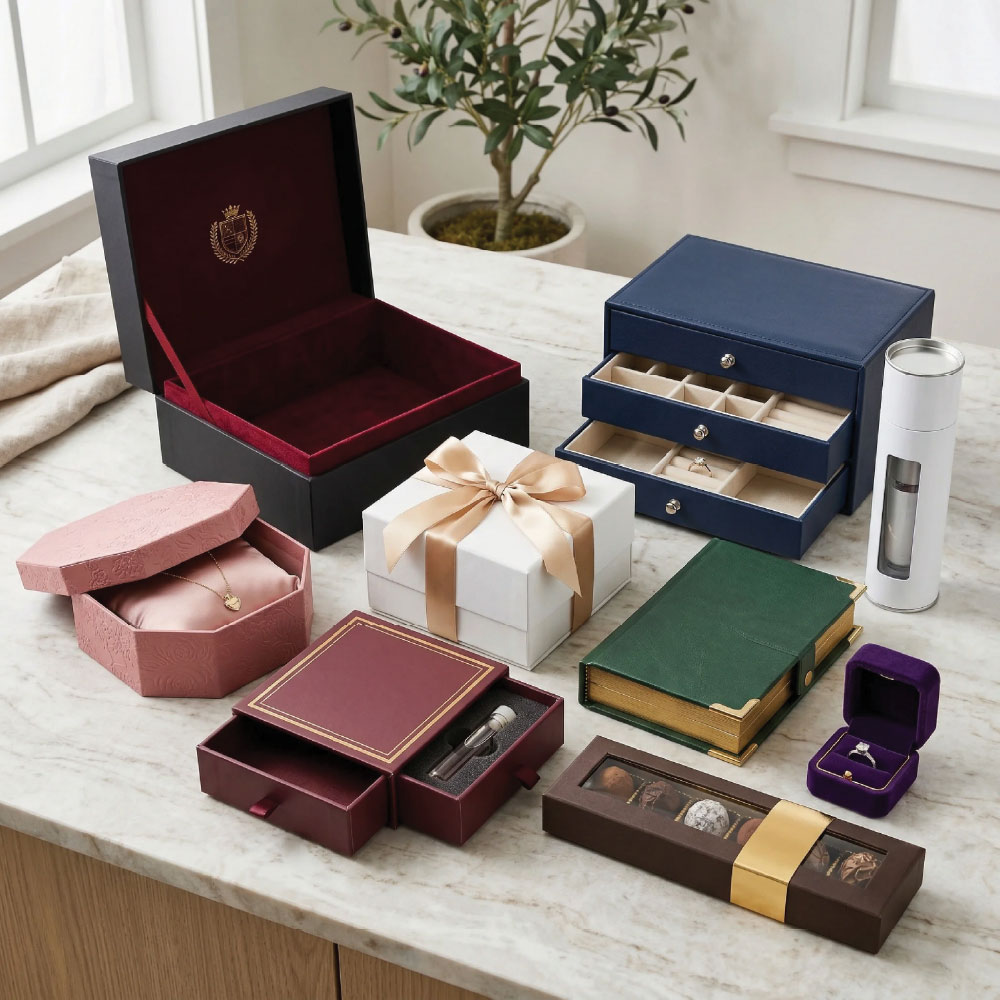
Unlimited Accessories
Meet your exact needs and preferences with easily personalized handles and buttons.
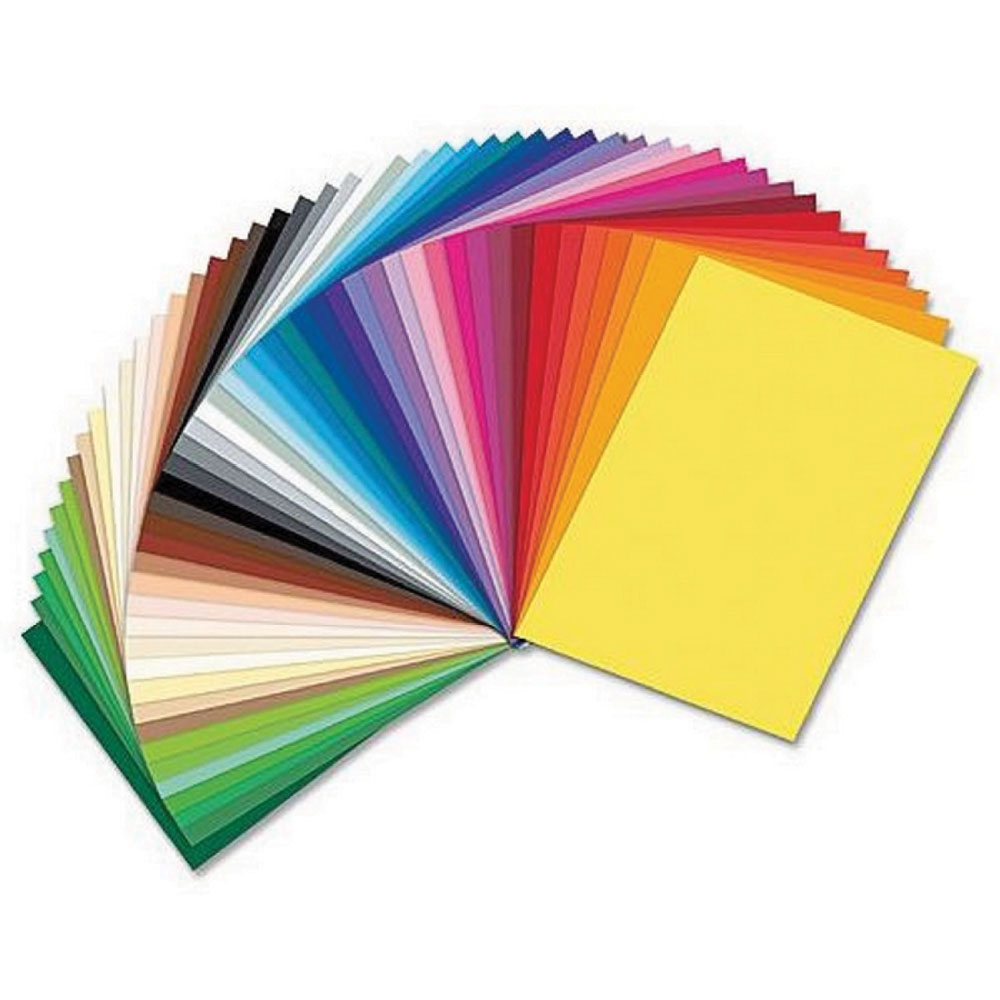
Diversified Papers
Unlimited selection of textured and colored paper.
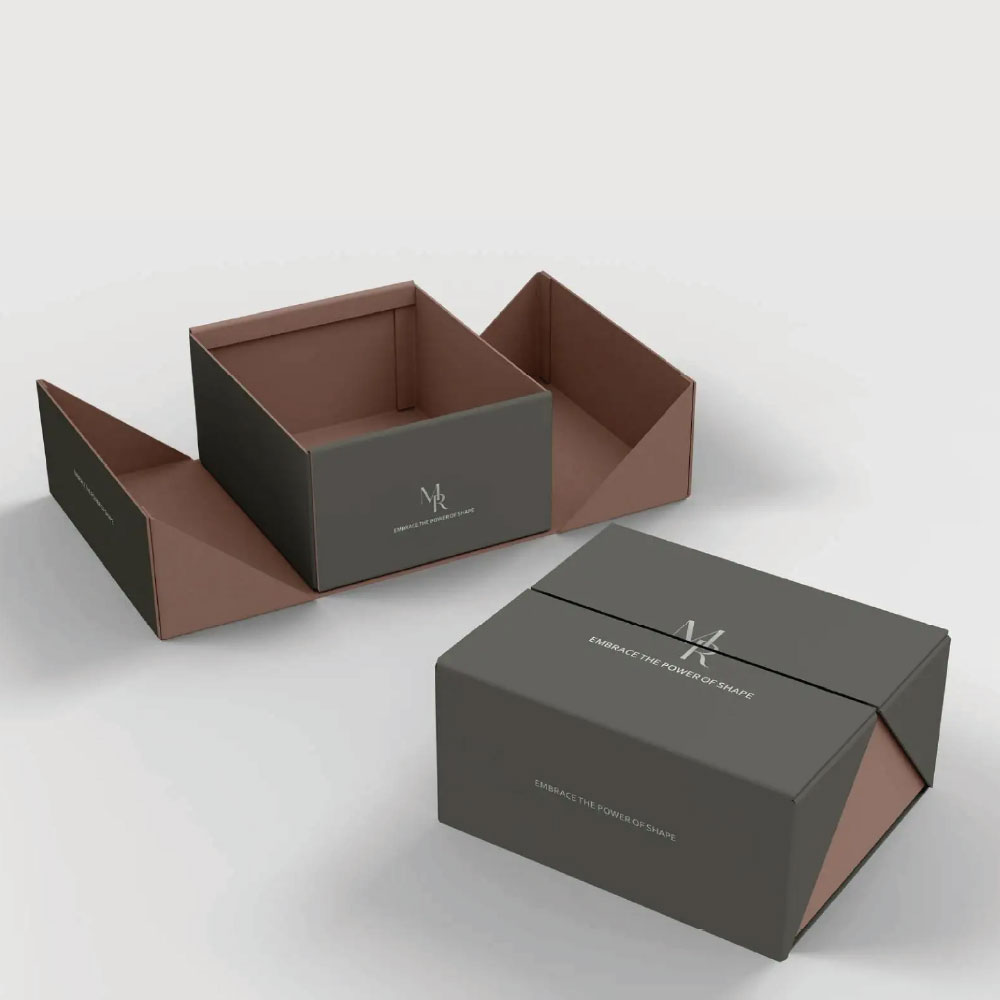
Custom Structure
Fully customized structures tailored to your specifications.
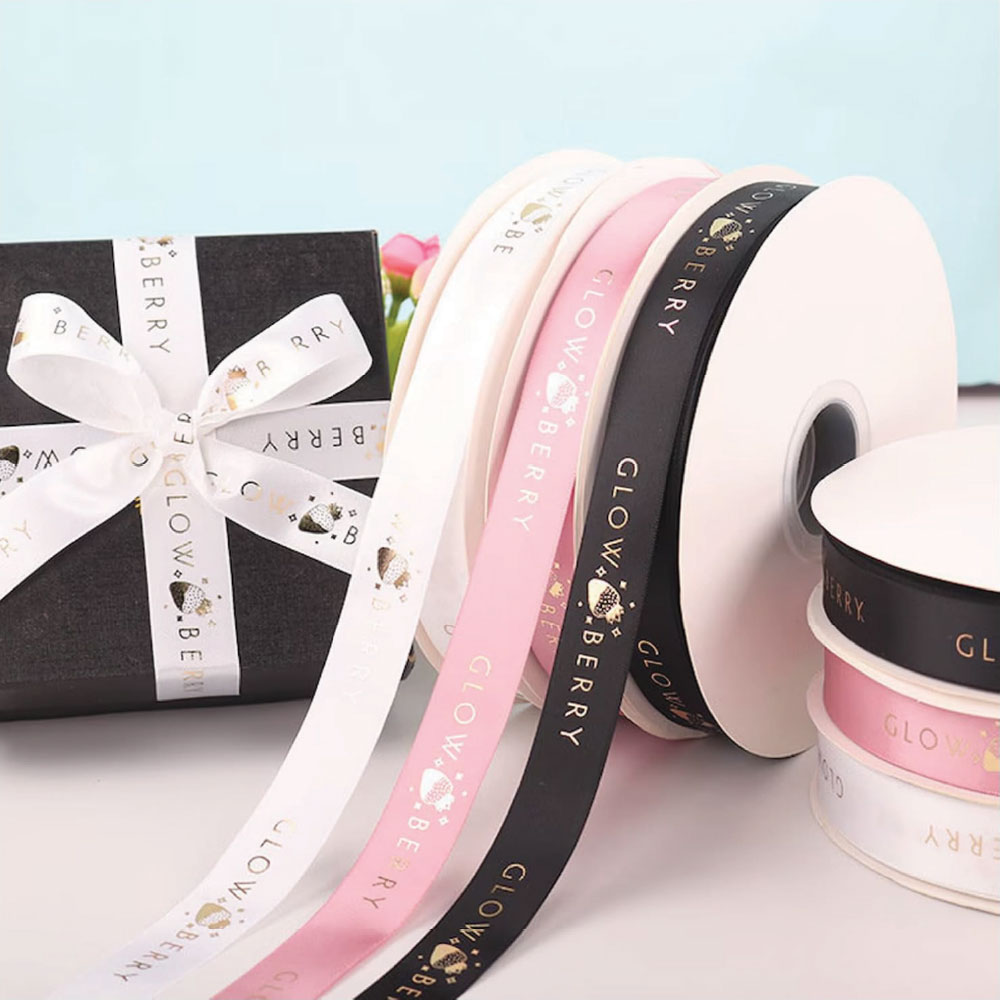
Custom Ribbons
Wide selection of custom luxurious ribbons for you to choose from.
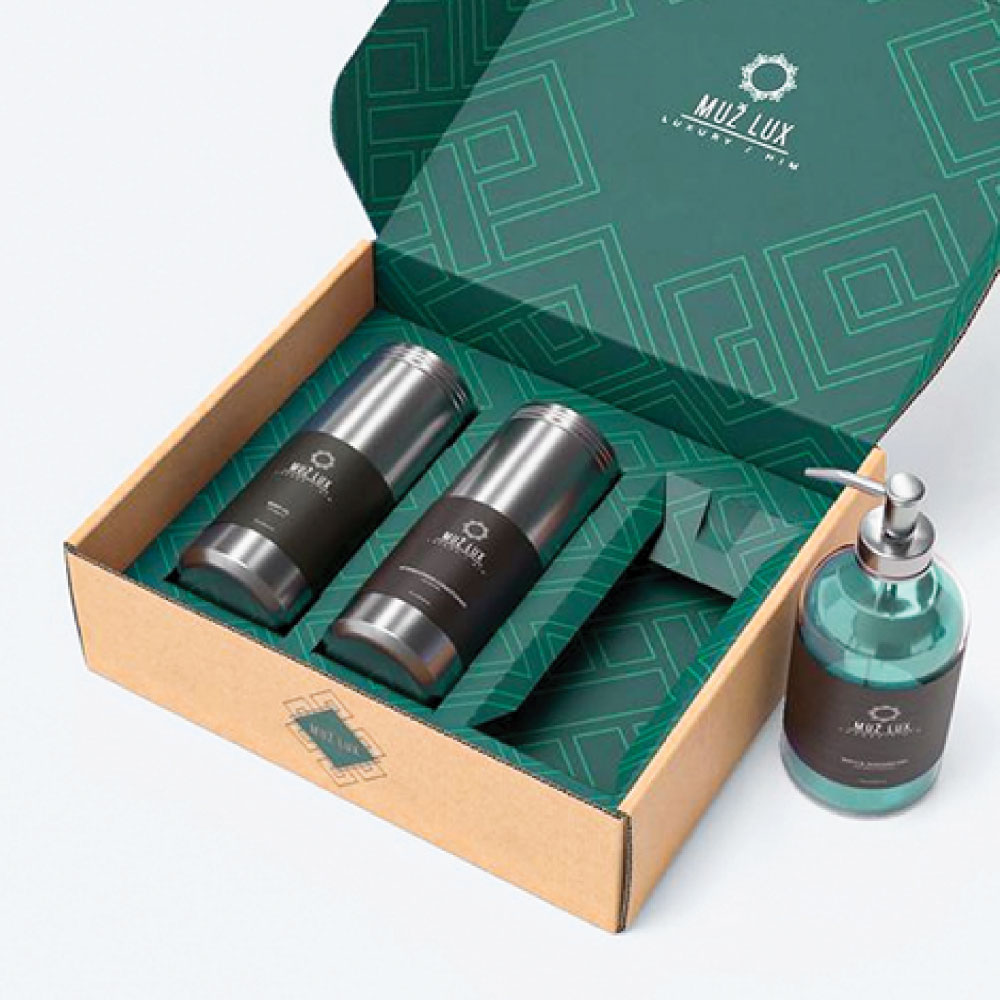
Custom Inserts
Versatile options for a variety of applications to keep products intact.
Material
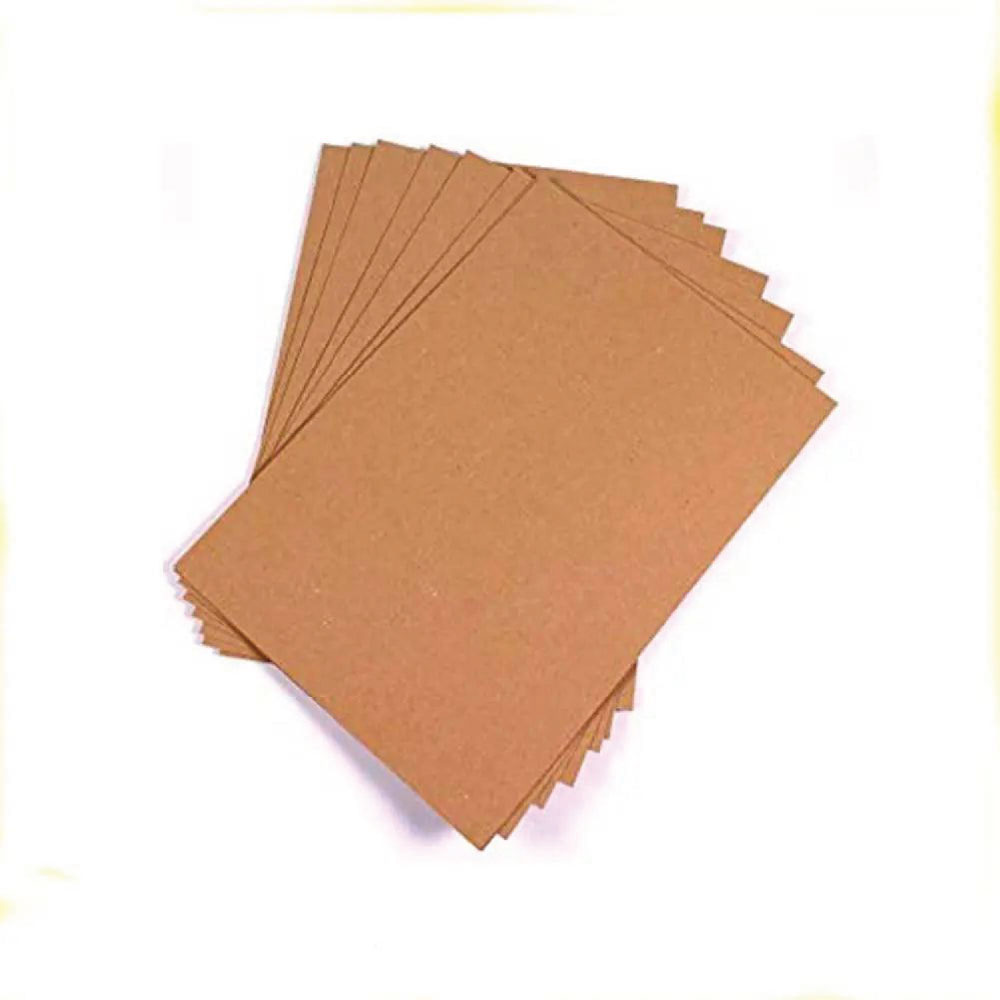
Kraft
Kraft is often used for packaging and ecommerce products because of its durability, elasticity, and environmental benefits.
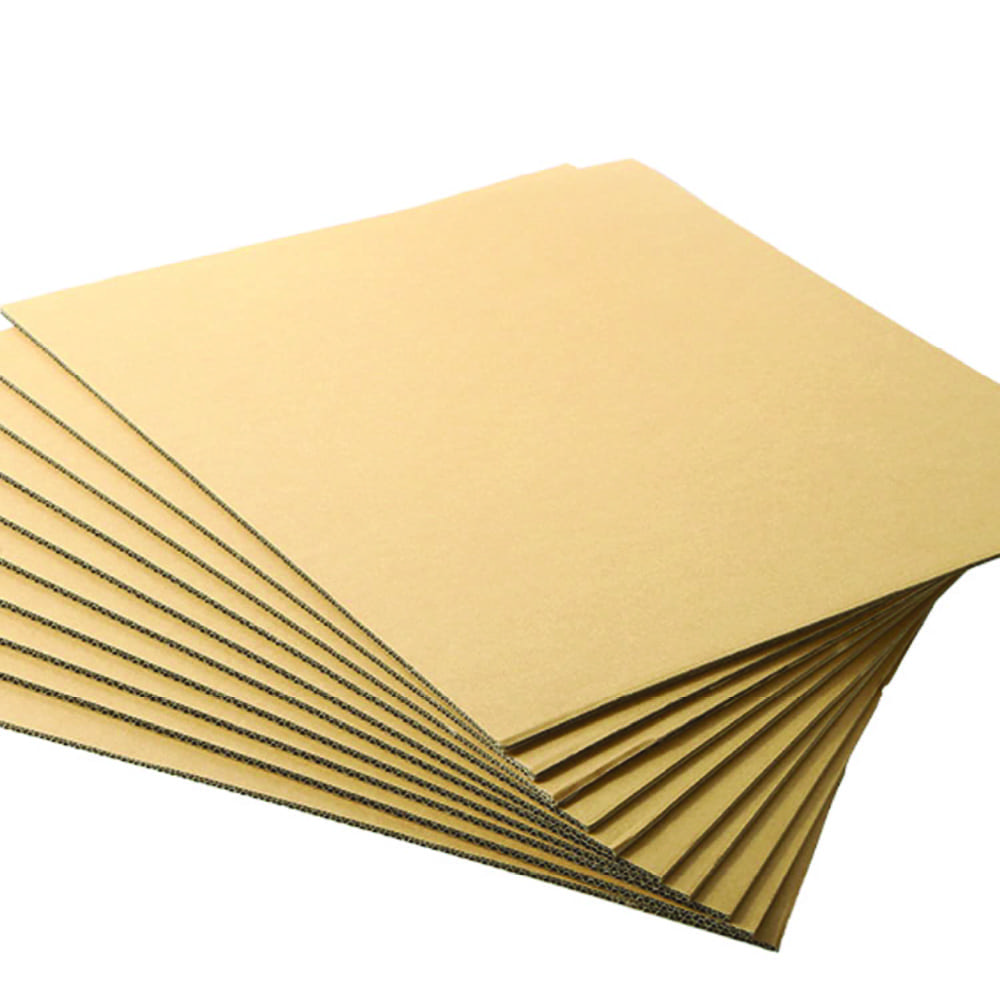
Corrugated
A sturdy packaging material made of three layers of kraft paper. its ideal for heavey or weighted products’ packaging.
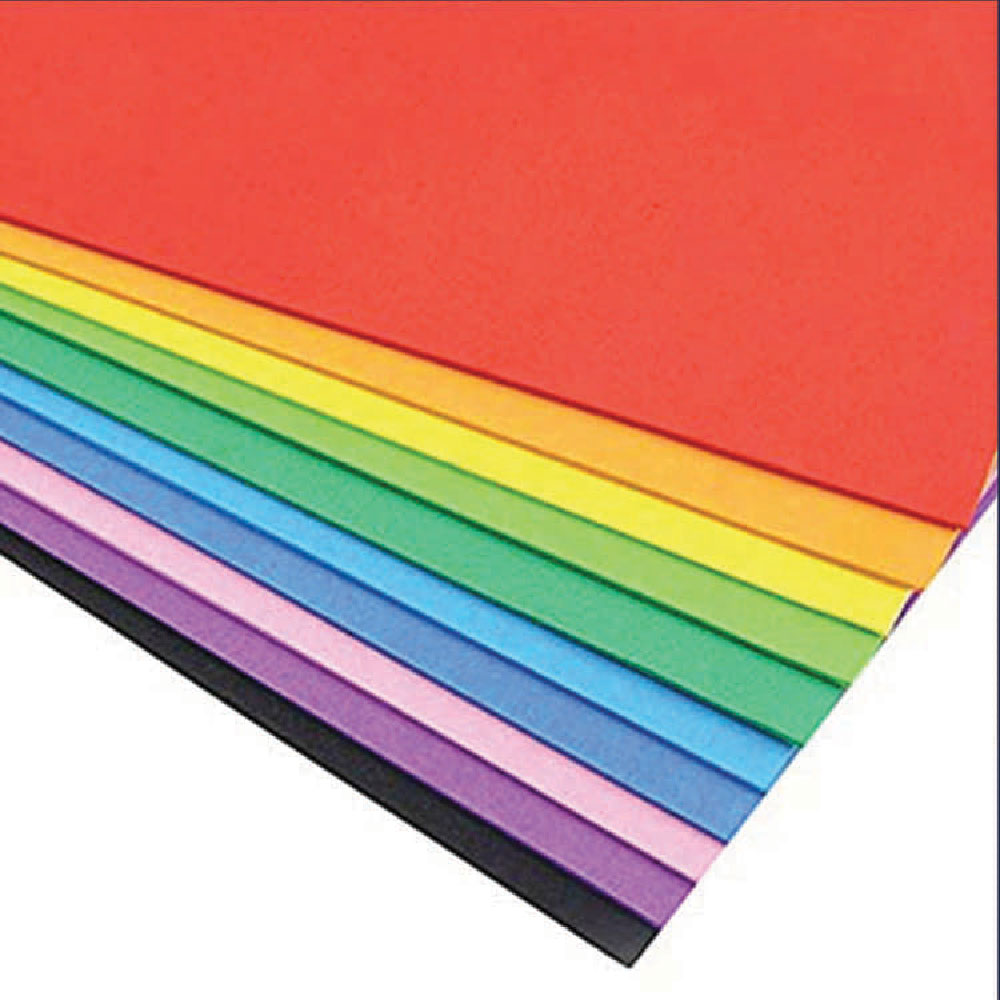
Cardboard
Its made from paper pulp. its strong, lightweight and versatile. its also recycleable.