Description
Premium Finishes
Coating & Lamination
Special Capabilities
Material
Description
Tuck End Snap Lock Bottom Boxes
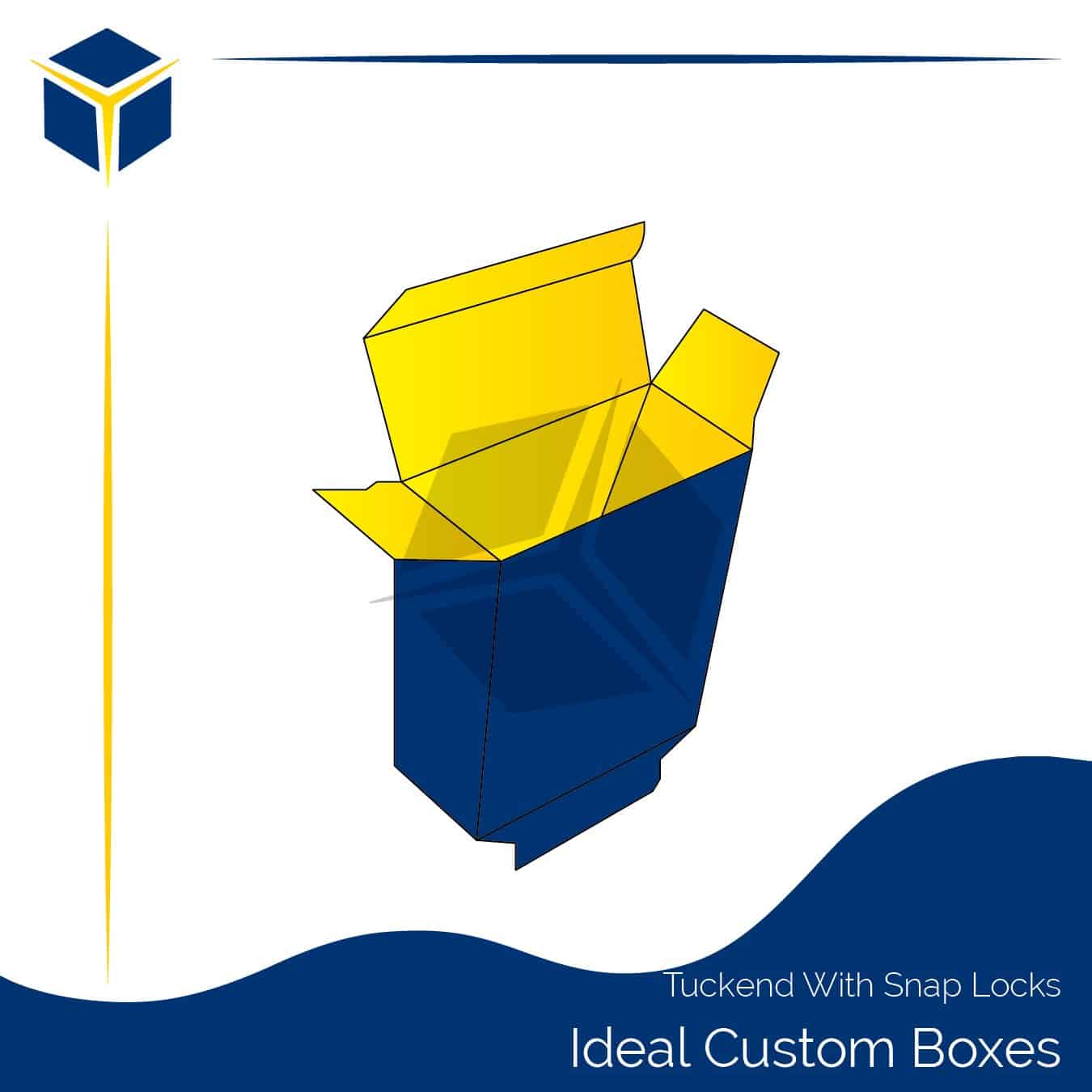
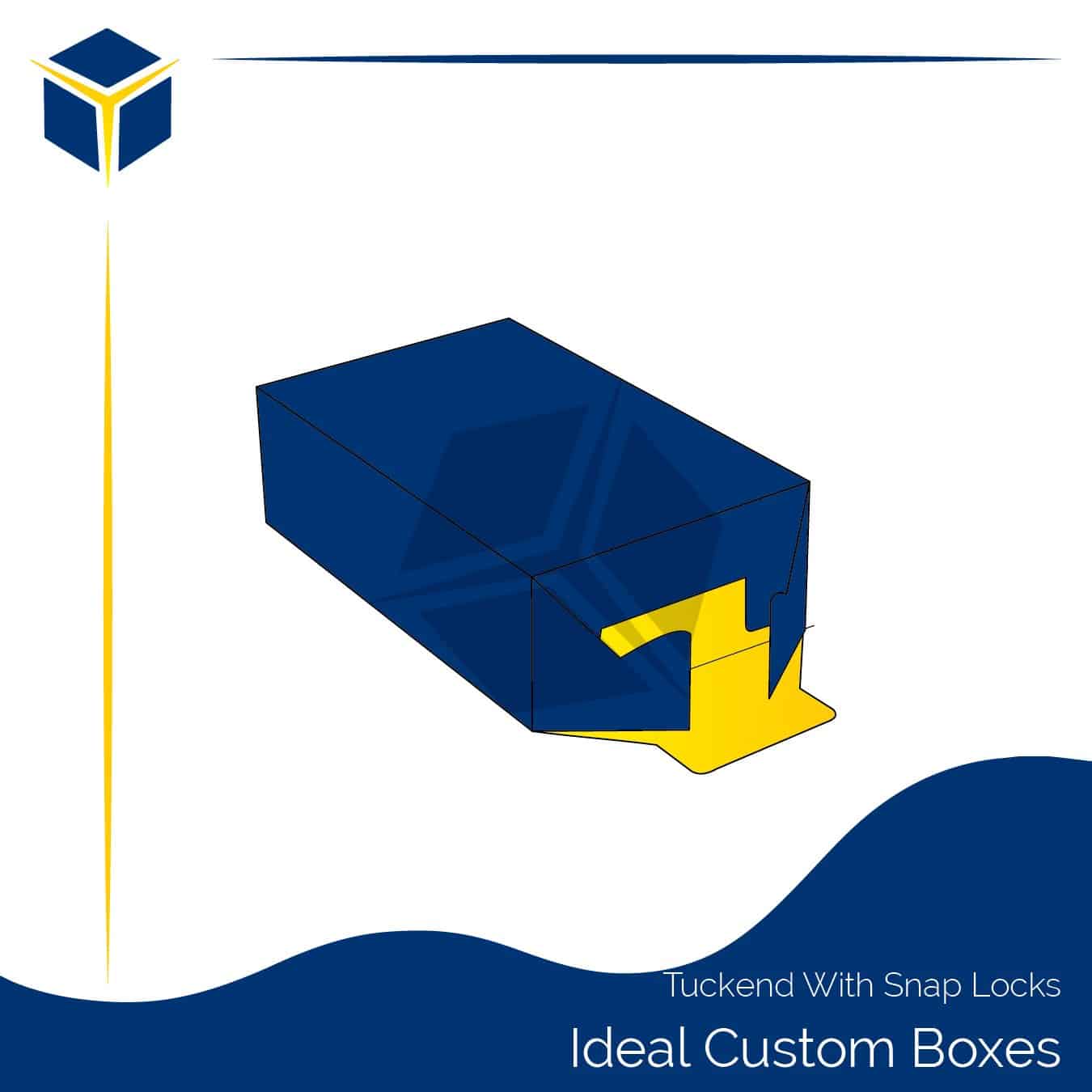
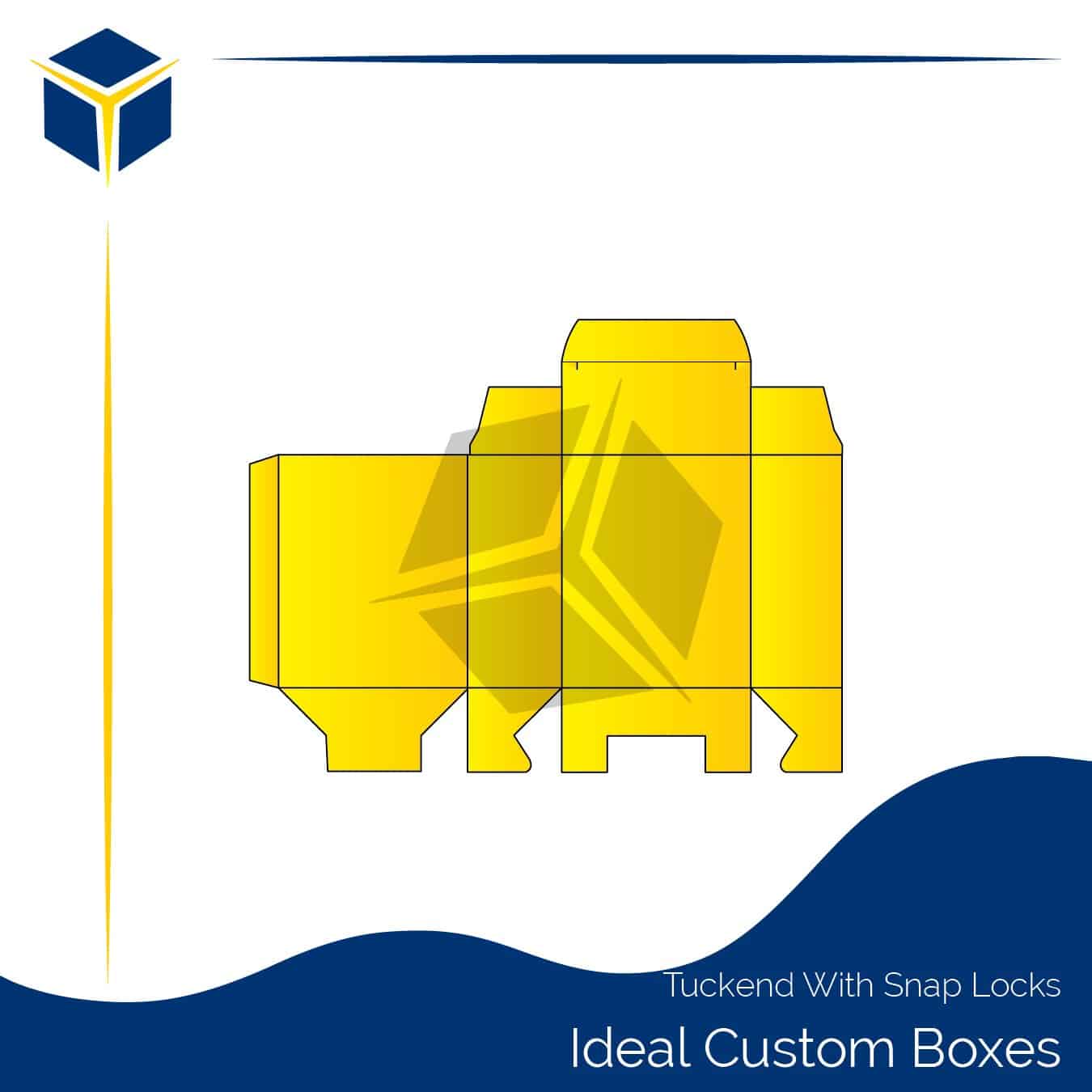
Tuck End Snap Lock Bottom boxes are folding cartons defined by a tuck-end opening and a manually interlocking bottom closure. The bottom flaps are folded and locked together to form the base, so the bottom locking action itself does not rely on added tape or glue. Separate production glue seams, where required by the final carton construction, should not be confused with the snap-lock closure.
This structure is also commonly called a 1-2-3 bottom. It may suit packaging projects where manual bottom assembly fits the packing workflow. Final suitability should be based on the packed product’s dimensions, weight, presentation requirements, and shipping method. Provide these details when requesting a custom quote. For a broader look at tuck-end structures and their different closure configurations, explore our Custom Tuck End Boxes.
How Tuck End Snap Lock Bottom Boxes Work
The defining feature of this style is its manually formed snap-lock base. The bottom closure uses flaps that fold and interlock to create the base before the carton is filled. At the opposite end, the tuck-end closure provides access to the packed product.
Unlike an automatic-bottom structure, the snap-lock base requires manual folding during setup. This makes the packing process an important part of the style decision. Buyers handling larger packing runs or prioritizing faster base setup should compare this structure with an auto-lock alternative before finalizing the specification.
Structural Advantages
- The snap-lock base uses interlocking bottom flaps rather than requiring added tape or glue to create the bottom lock.
- The tuck-end opening provides a defined access point for inserting and removing the product.
- The structure may be considered when manual carton setup fits the packing workflow.
- Finished dimensions, artwork, printing, and finishing requirements can be reviewed during quotation.
Structural Tradeoffs
- The base requires more manual setup than an automatic-bottom style.
- Suitability depends on the packed product’s dimensions, weight, orientation, and final packaging specification.
- This style should not automatically be treated as a standalone shipping carton.
- Insert, window, material, and other construction requirements should be reviewed for the final box dimensions before production.
When Does a Snap Lock Bottom Make Sense?
A Tuck End Snap Lock Bottom may be worth considering when the packing process can accommodate manual base assembly and the product can be matched to an appropriate carton specification. The style should be selected from the product and workflow requirements rather than from an industry label alone.
For retail presentation, consider how the tuck-end opening, front-panel orientation, artwork, and product access should work together. For packing operations where reducing manual bottom folding is more important, an auto-lock bottom may be a better structure to compare before making the final decision.
If the carton will travel through a parcel or freight network, do not assume the folding carton itself replaces an outer shipping container. The shipping configuration should be reviewed as part of the packaging specification.
Customizing Your Tuck End Snap Lock Bottom Boxes
Custom packaging should be planned around both the product and the box structure. Start with the finished length, width, and depth required for the packed item, then consider how the product will be inserted, displayed, stored, and removed from the carton.
Artwork, printing, finishing, inserts, windows, and other structural additions can also affect the final box specification. Share these requirements with your quote request so the proposed construction can be reviewed before production. Low MOQs are available for custom orders.
Tuck End Snap Lock Bottom vs Tuck End Auto Lock Bottom
Both styles use a tuck-end carton format, but the way the bottom is assembled differs.
1. Snap Lock Bottom
A Snap Lock Bottom uses bottom flaps that are manually folded and interlocked during setup. It may suit packing workflows where manual carton assembly is acceptable.
2. Auto Lock Bottom
An Auto Lock Bottom is designed to form its base with less manual flap folding during setup. It may be worth considering when reducing the amount of manual bottom assembly is an important part of the packing process.
Neither option is universally better. The right structure depends on the product dimensions, packed weight, presentation requirements, packing workflow, and shipping configuration.
If faster base setup is a priority, compare our Tuck End with Auto Locks style before requesting your final quote. If your packaging does not require a snap-lock bottom, you can also compare Straight Tuck End Boxes or Reverse Tuck End Boxes when deciding which tuck-end configuration best fits your opening direction, presentation needs, and packing process.
What Information Do You Need for a Quote?
Providing complete project information helps determine whether the Tuck End Snap Lock Bottom structure is appropriate for your packaging requirements.
Include:
- Finished box length, width, and depth
- Required quantity
- Product dimensions
- Packed product weight
- Artwork, if available
- Printing requirements
- Finishing requirements
- Insert or window requirements, if needed
- Preferred turnaround
- Intended presentation and shipping method
These details allow the packaging specification to be reviewed before the quotation is finalized.
Request a Quote for Tuck End Snap Lock Bottom Boxes
Send your finished dimensions, quantity, artwork, and any required printing or finishing details through the quote form. Include the packed product dimensions, weight, presentation requirements, and shipping method when those details may affect the structure.
Our team can review the project specification before confirming the quotation. Low MOQs are available. Standard turnaround is 12 to 14 business days, while express turnaround is 6 to 8 business days.
Still comparing box structures? Browse our packaging styles to explore other folding, locking, and presentation options before choosing the structure for your project.Premium Finishes
Window Patching
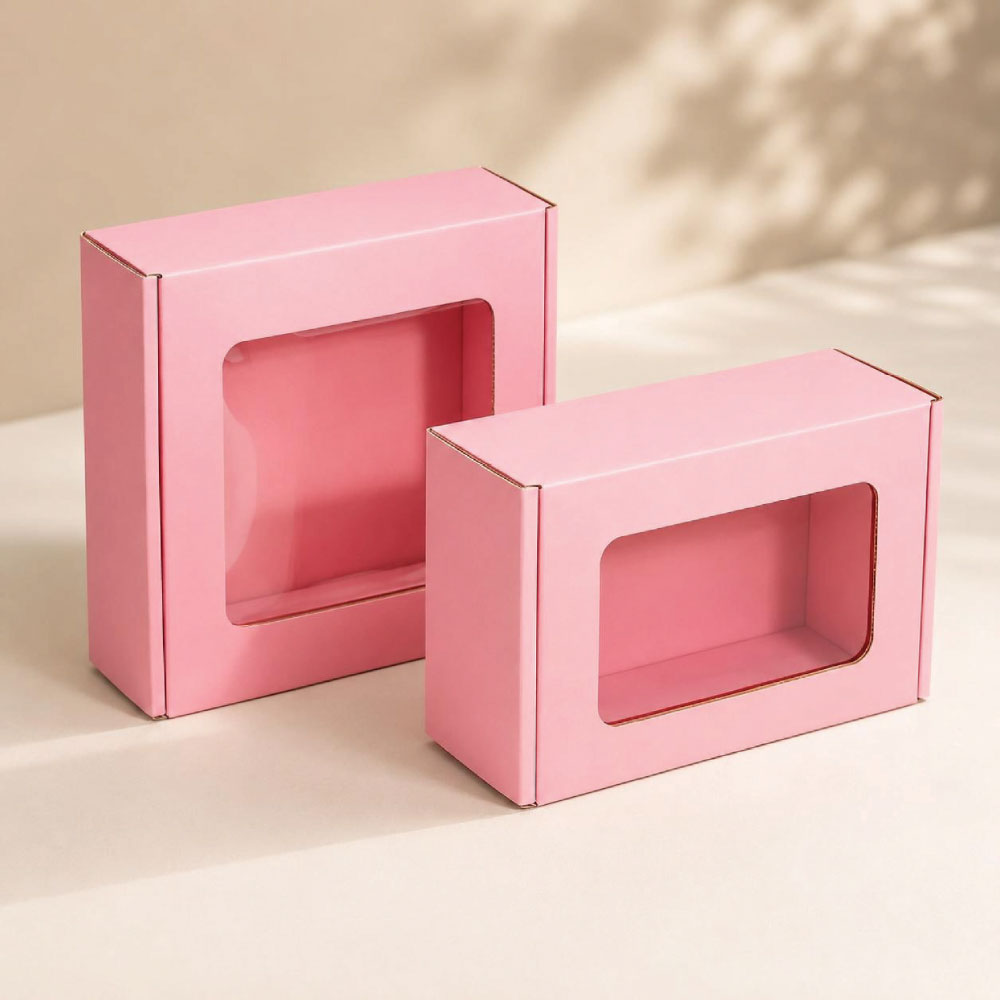
Special technique with a transparent plastic film covering the cut-out.
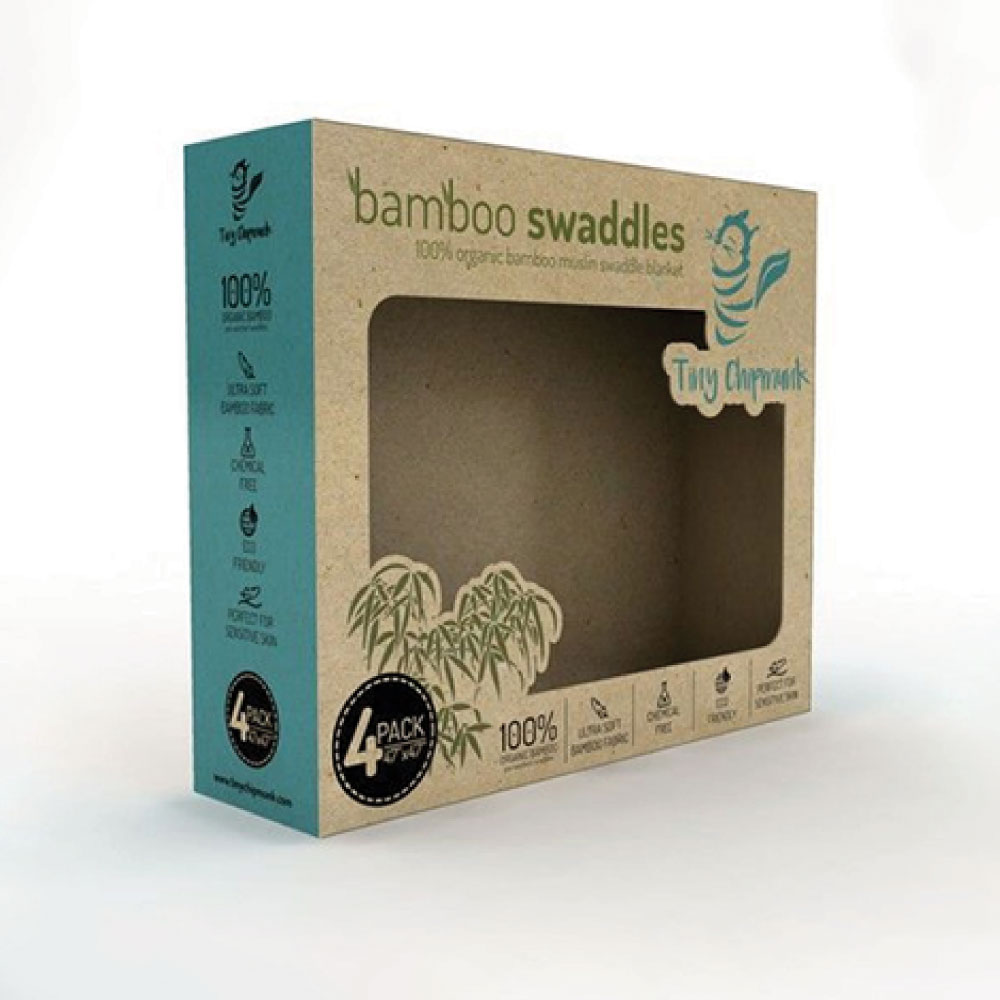
Window Die-cut
Special process where a cut-out is created on the packaging surface.
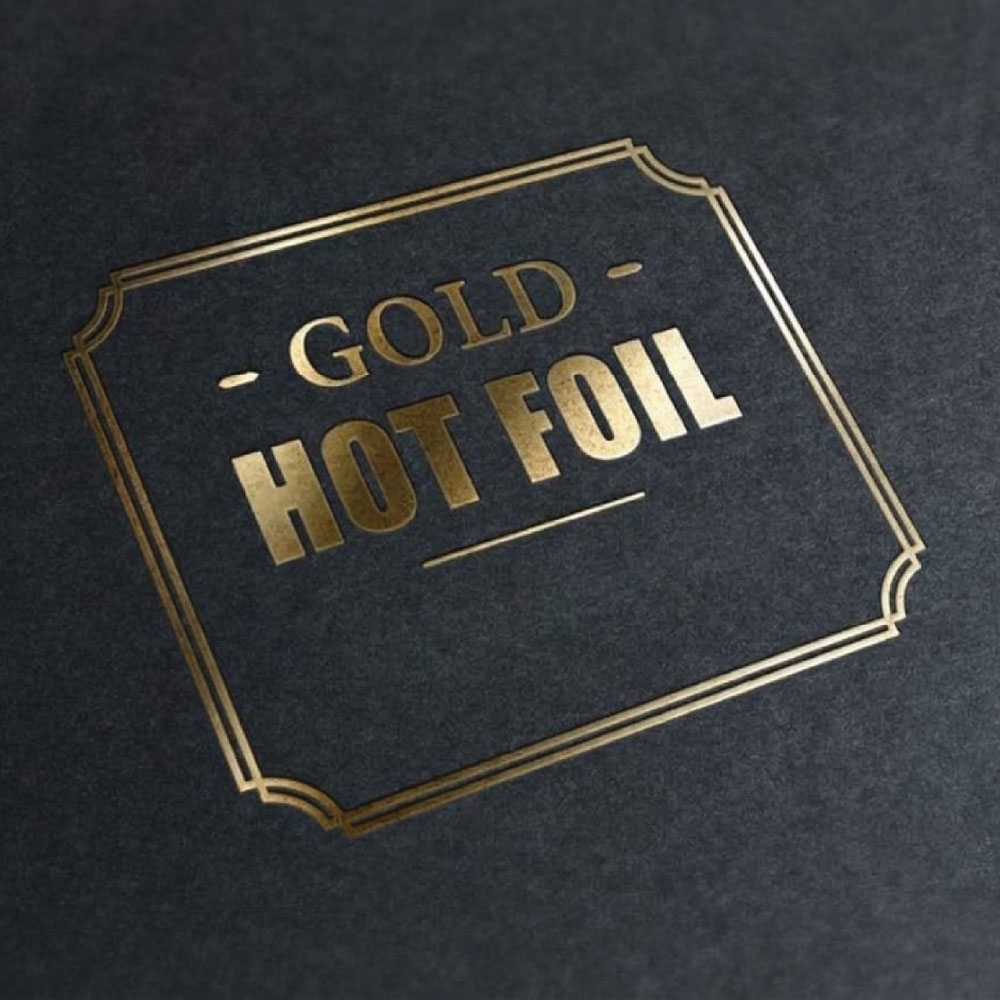
Stamping
Heat transferred foil onto paper surface.
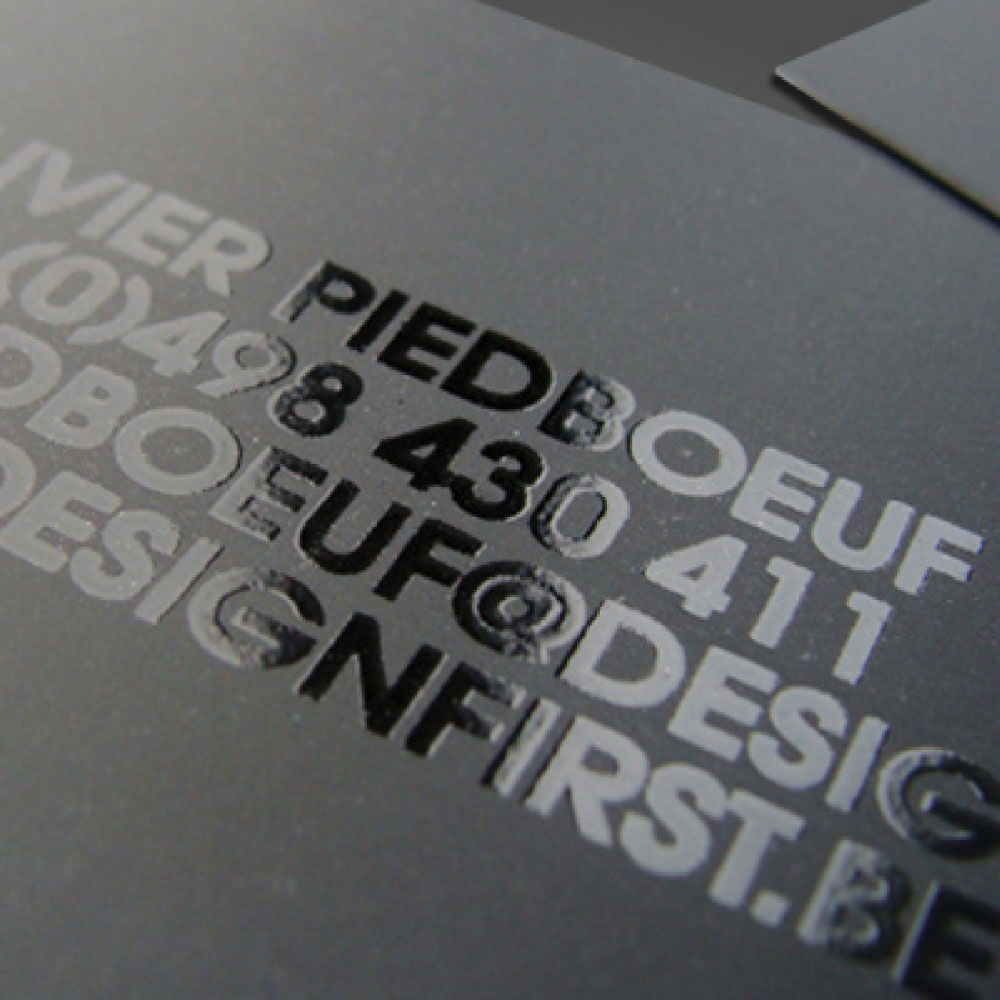
Spot UV
UV gloss coating cured on specific areas.
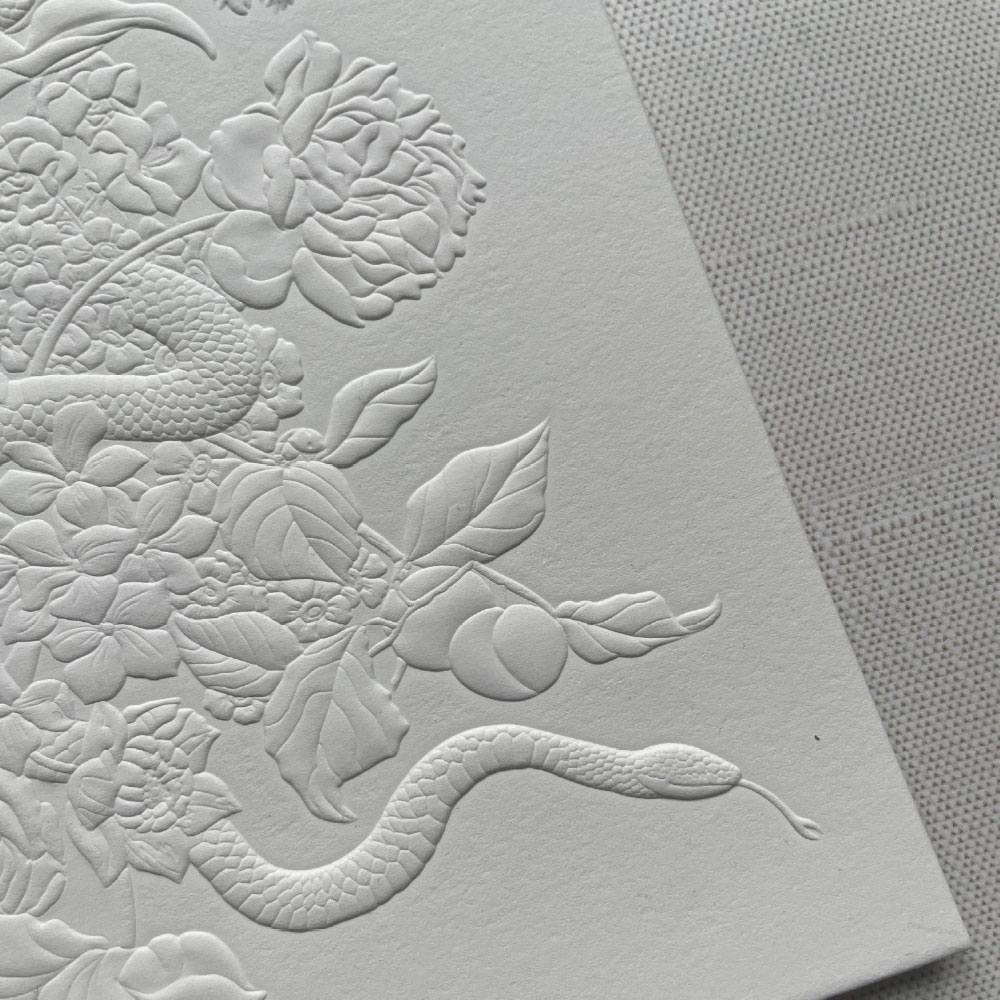
Emboss
Special process that creates a raised or recessed pattern on the surface.
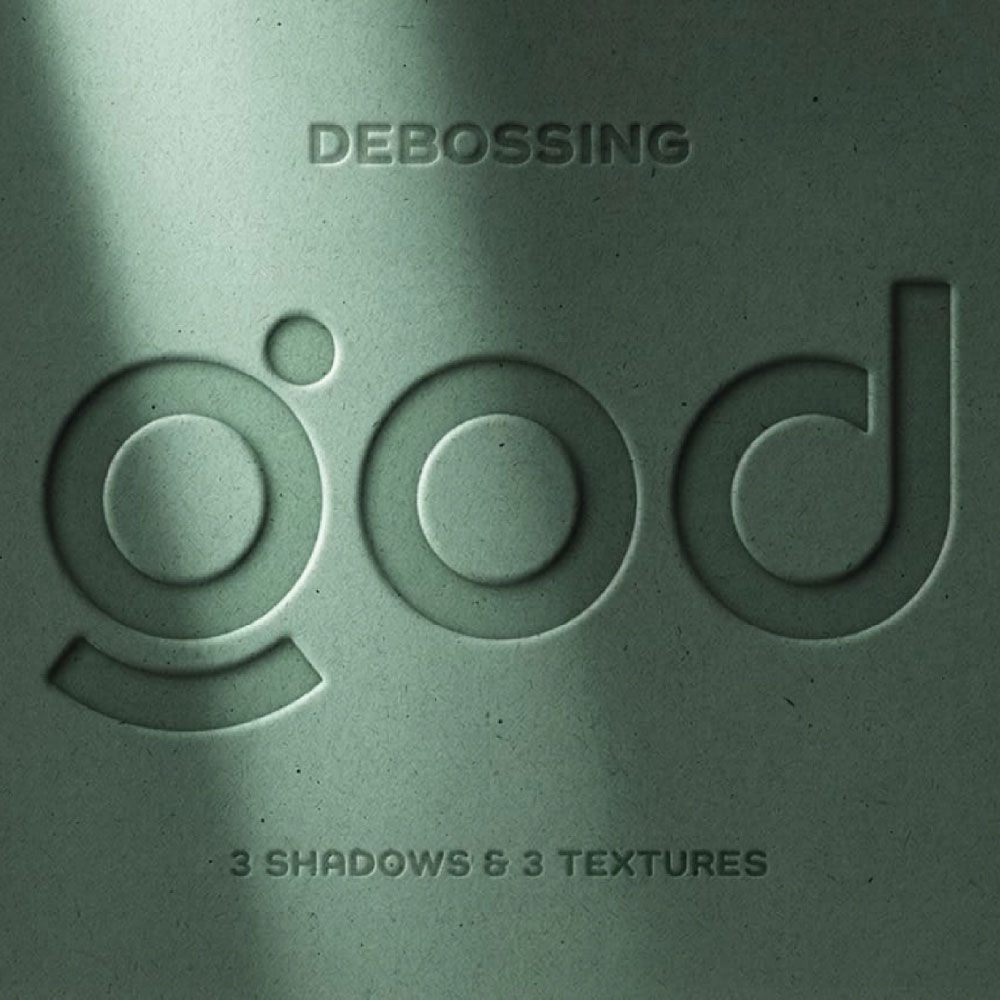
Deboss
Special process that creates a raised or recessed pattern on the surface.
Coating & Lamination
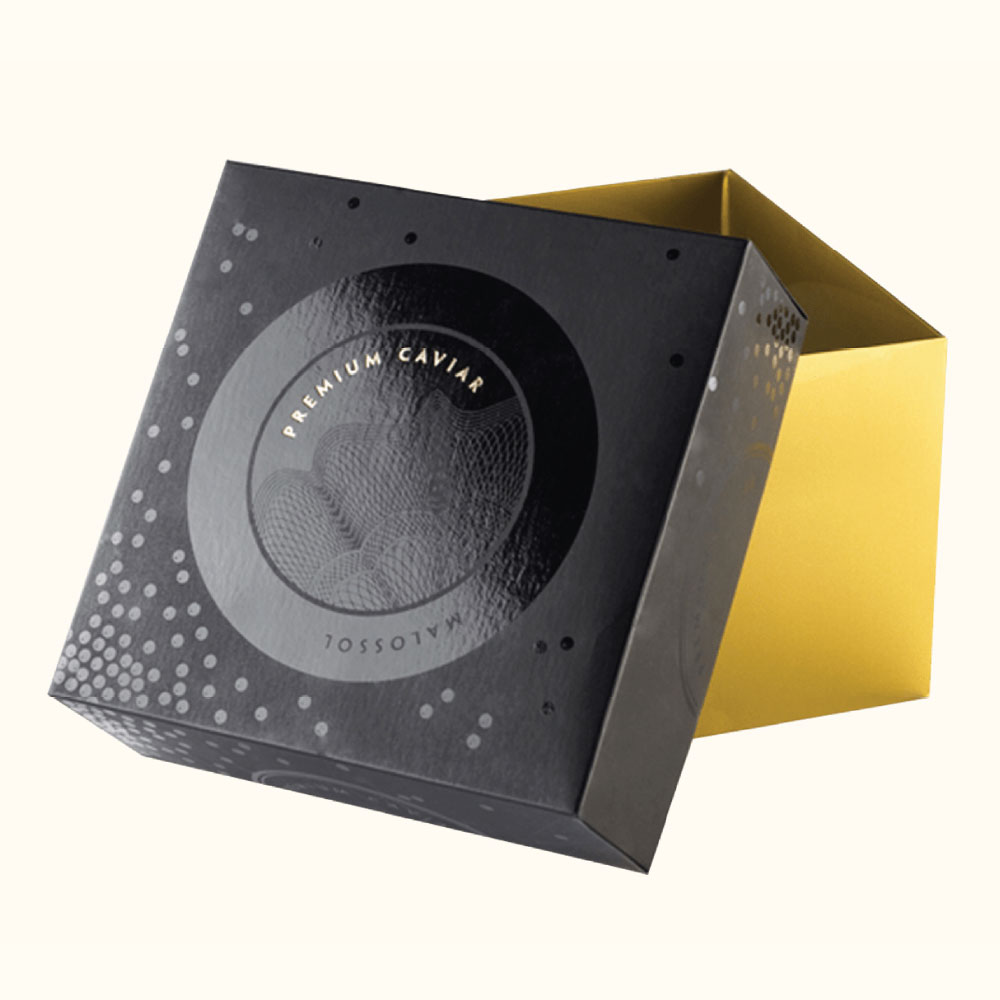
Varnish
Inexpensive option that coats and adds surface protection.
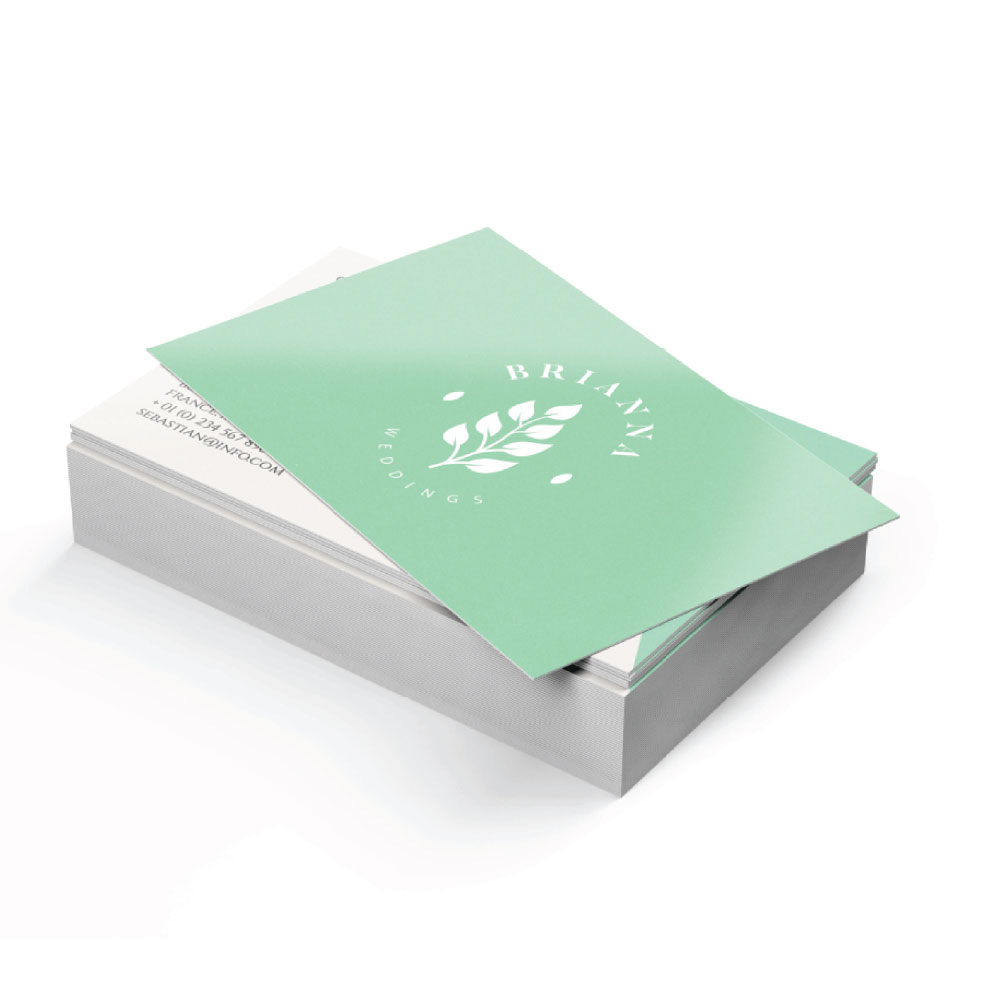
Soft Touch
Ink coating that produces smooth surface. Cheaper alternative to lamination.
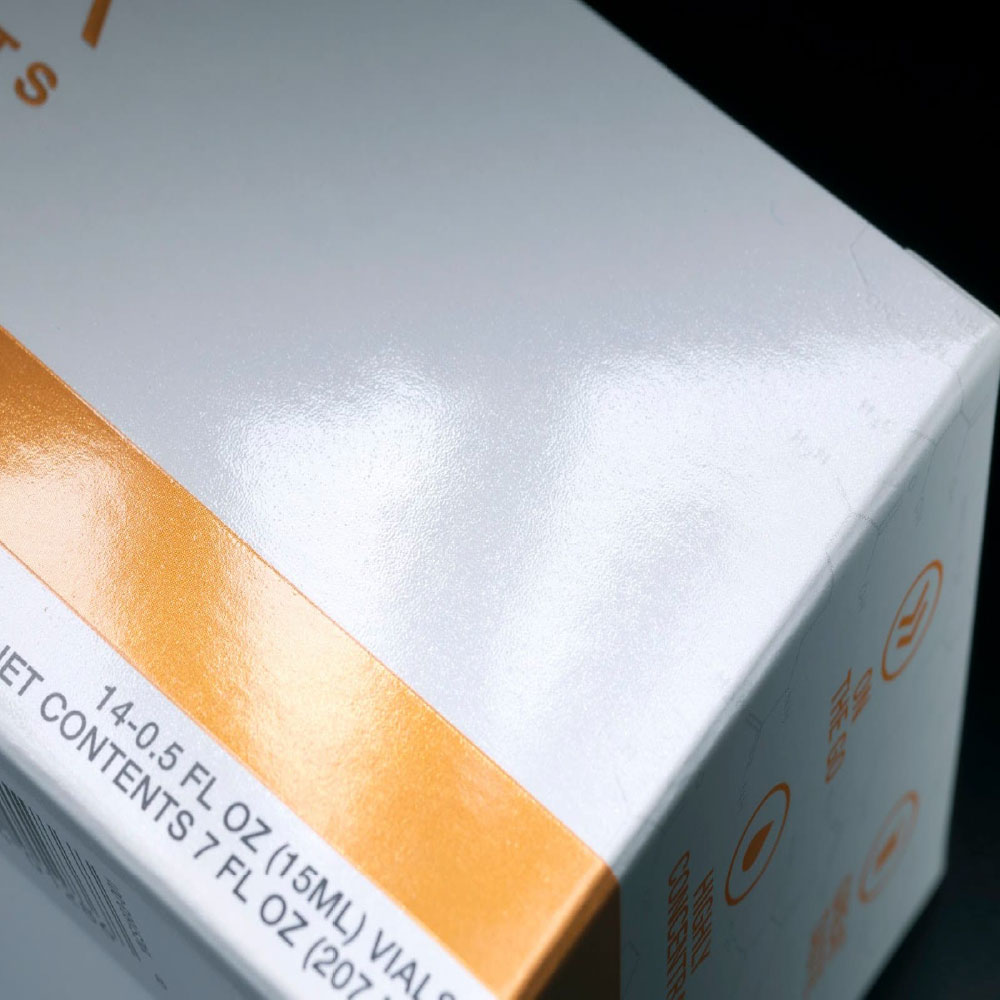
Pearlescent Coating
Give your surface extra decorative shimmer and shine.
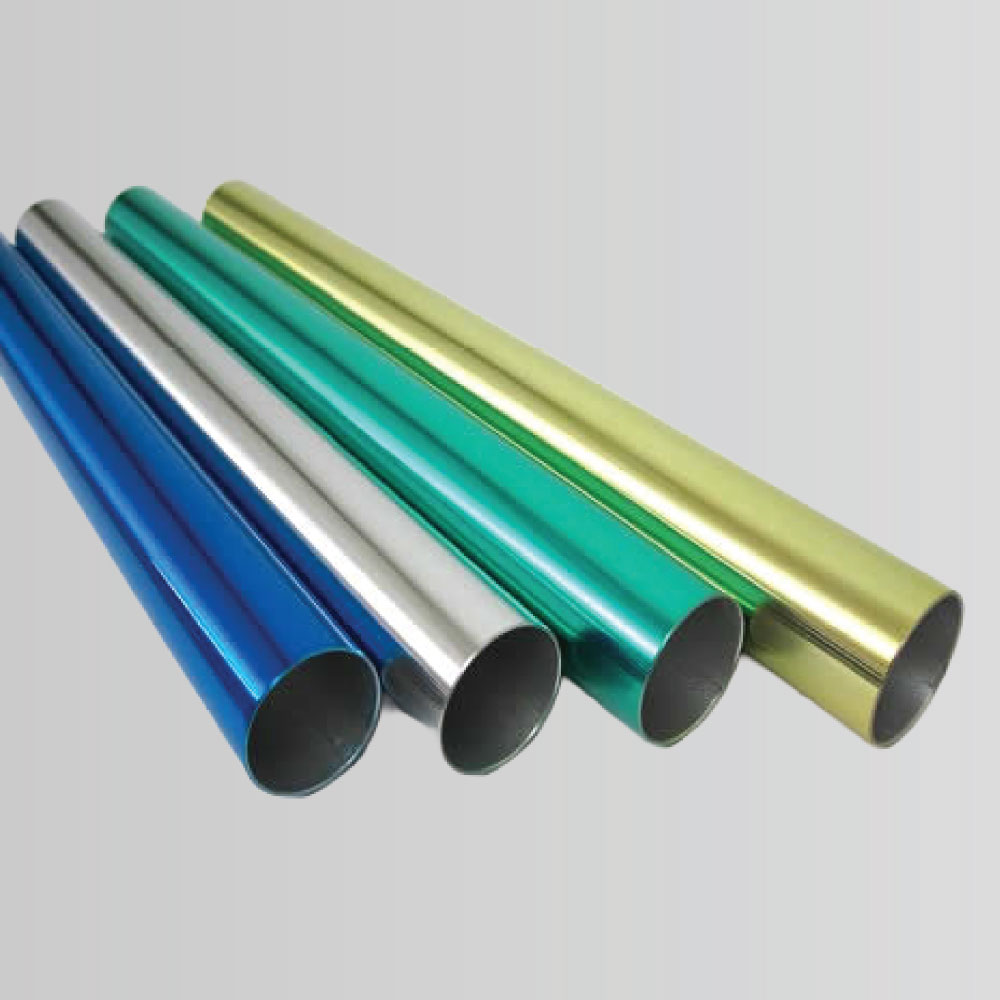
Metallic Coating
Add an extra metallic sheen to your box surface.
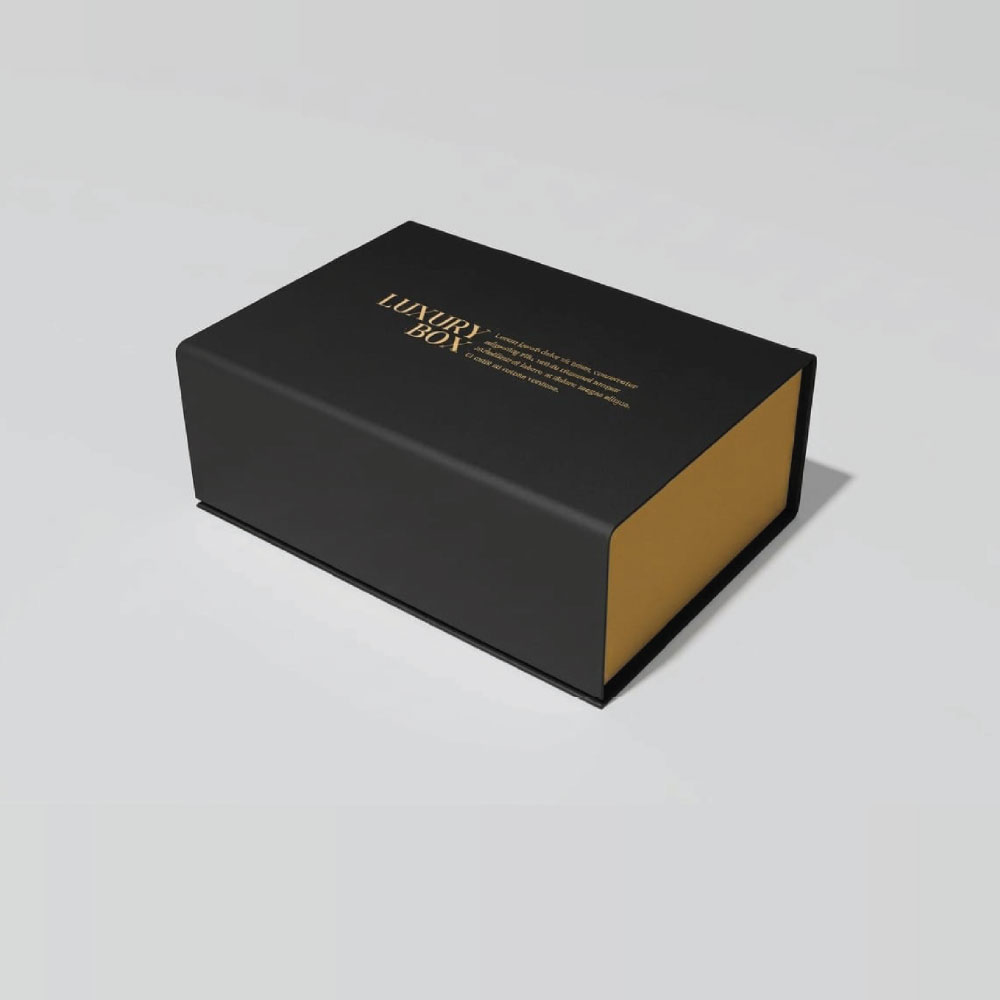
Matte
Special process that creates a raised or recessed pattern on the surface.
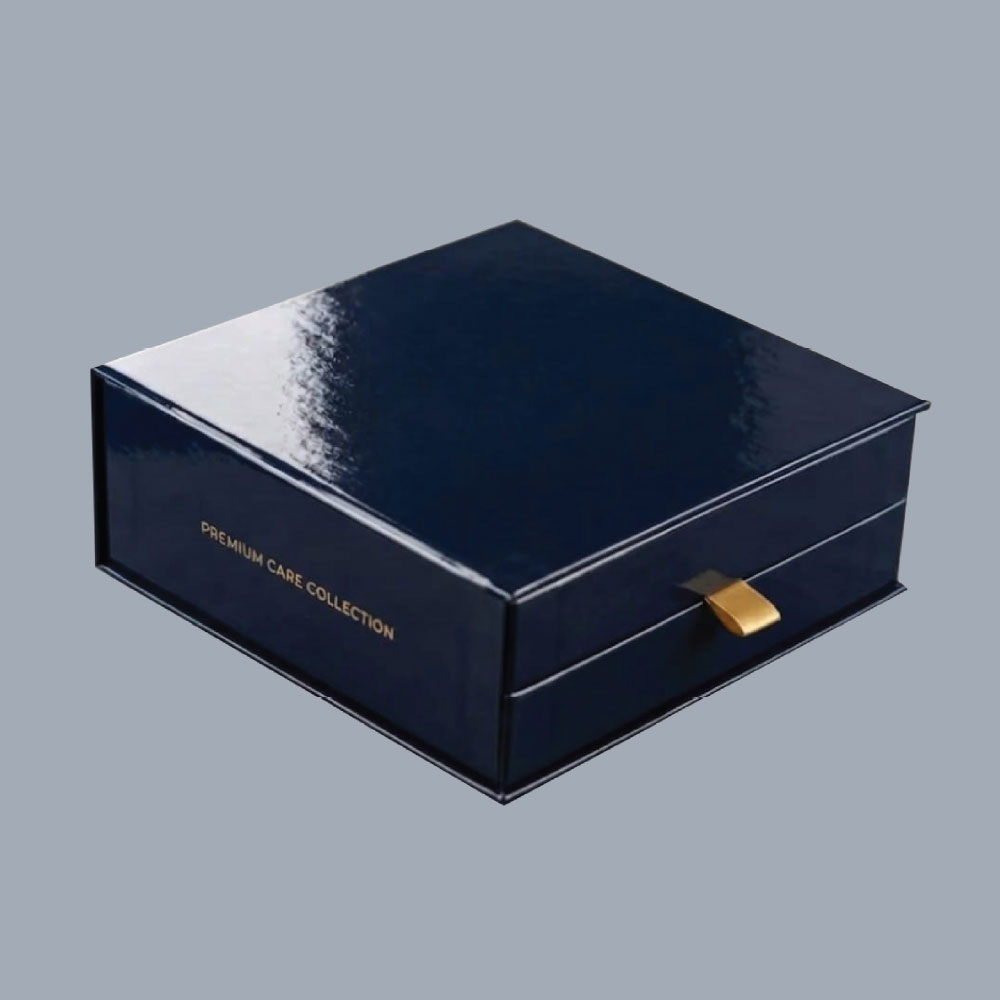
Gloss
Thin layer that gives the box a glossy surface.
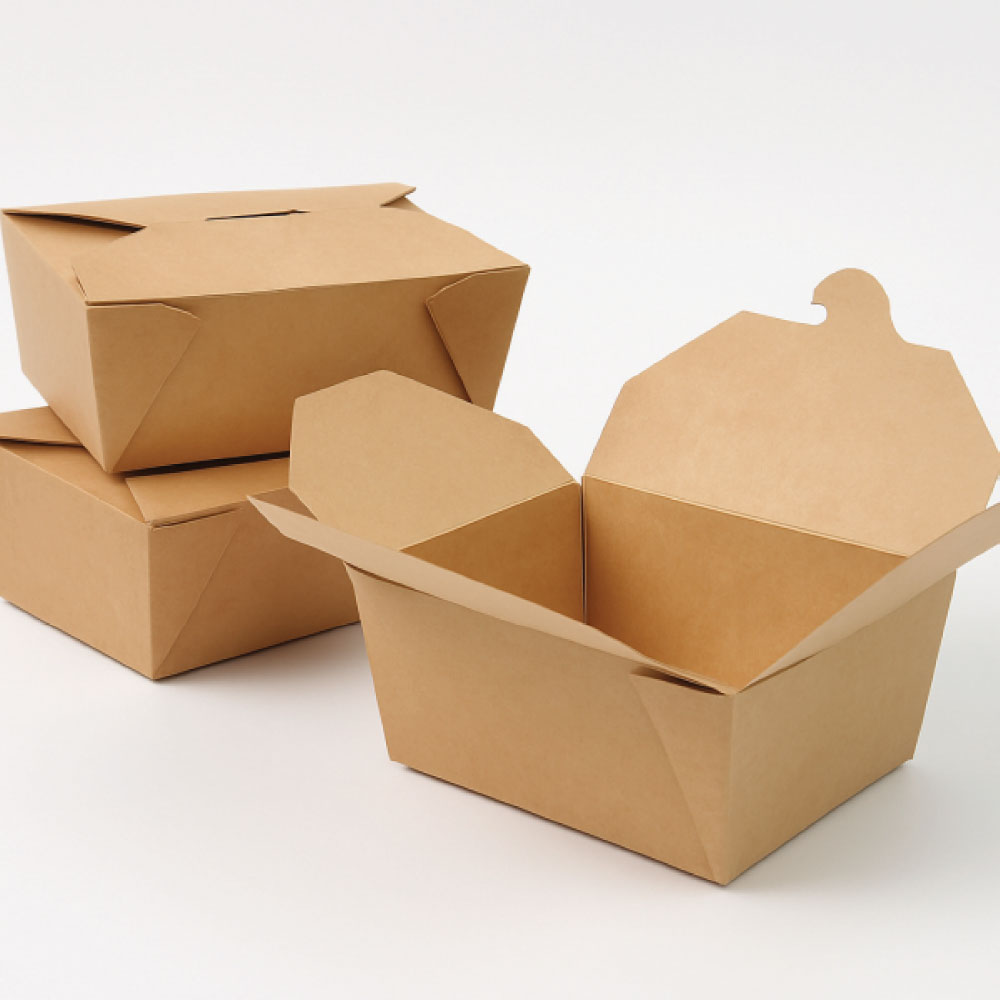
Food Coating
Inexpensive option that coats and adds surface protection.
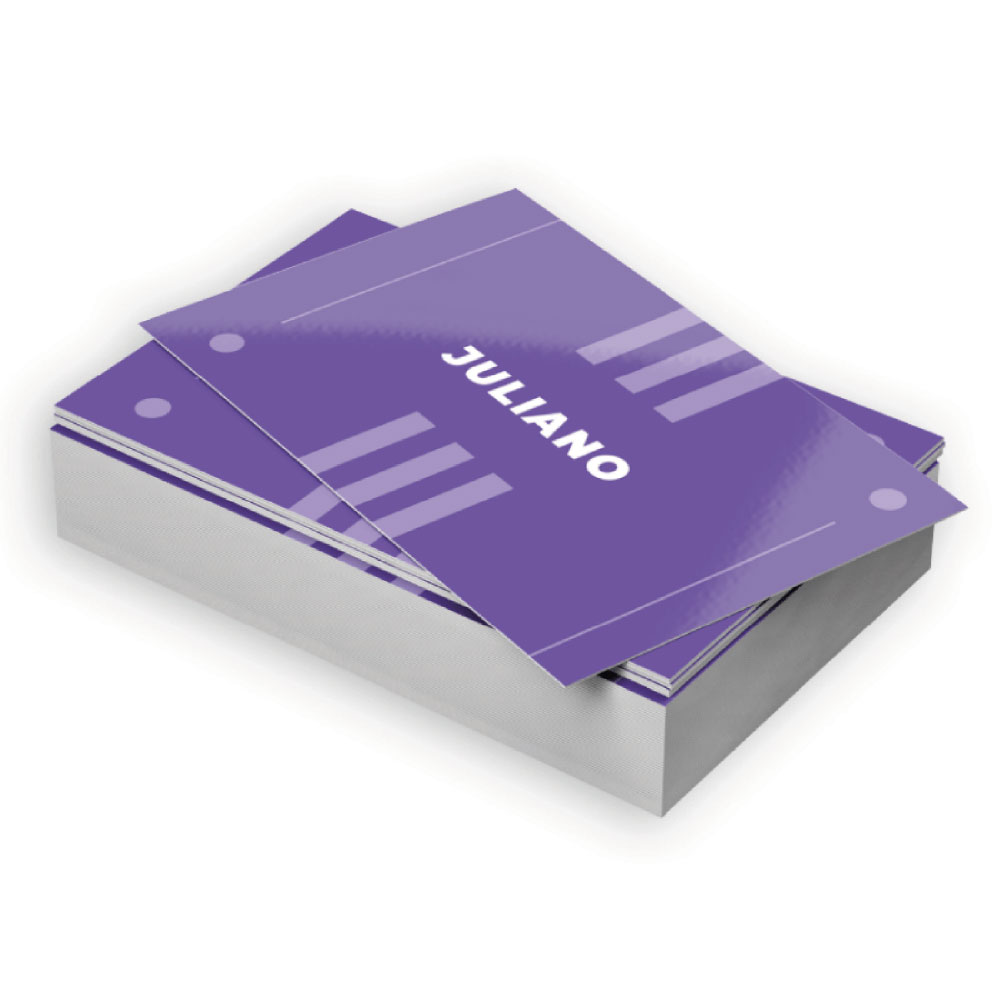
AQ Coating
Ink coating that produces smooth surface. Cheaper alternative to lamination.
Special Capabilities
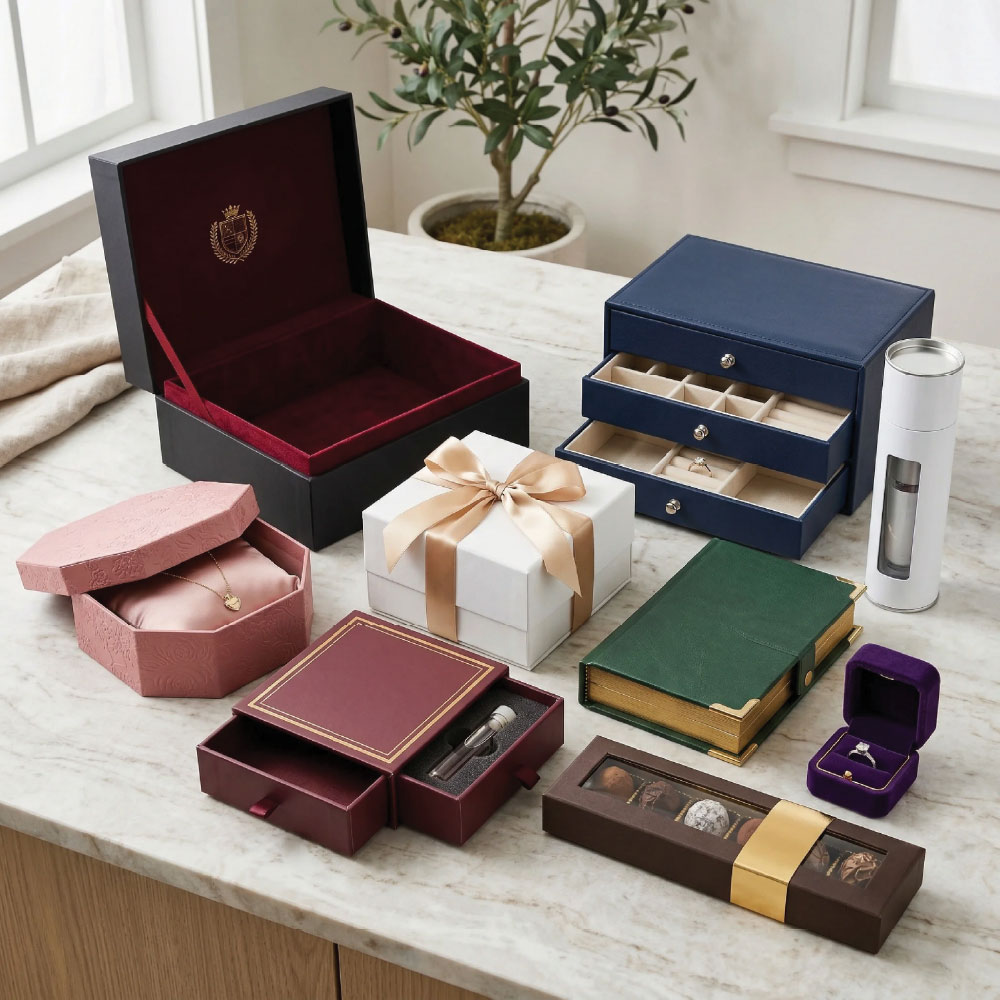
Unlimited Accessories
Meet your exact needs and preferences with easily personalized handles and buttons.
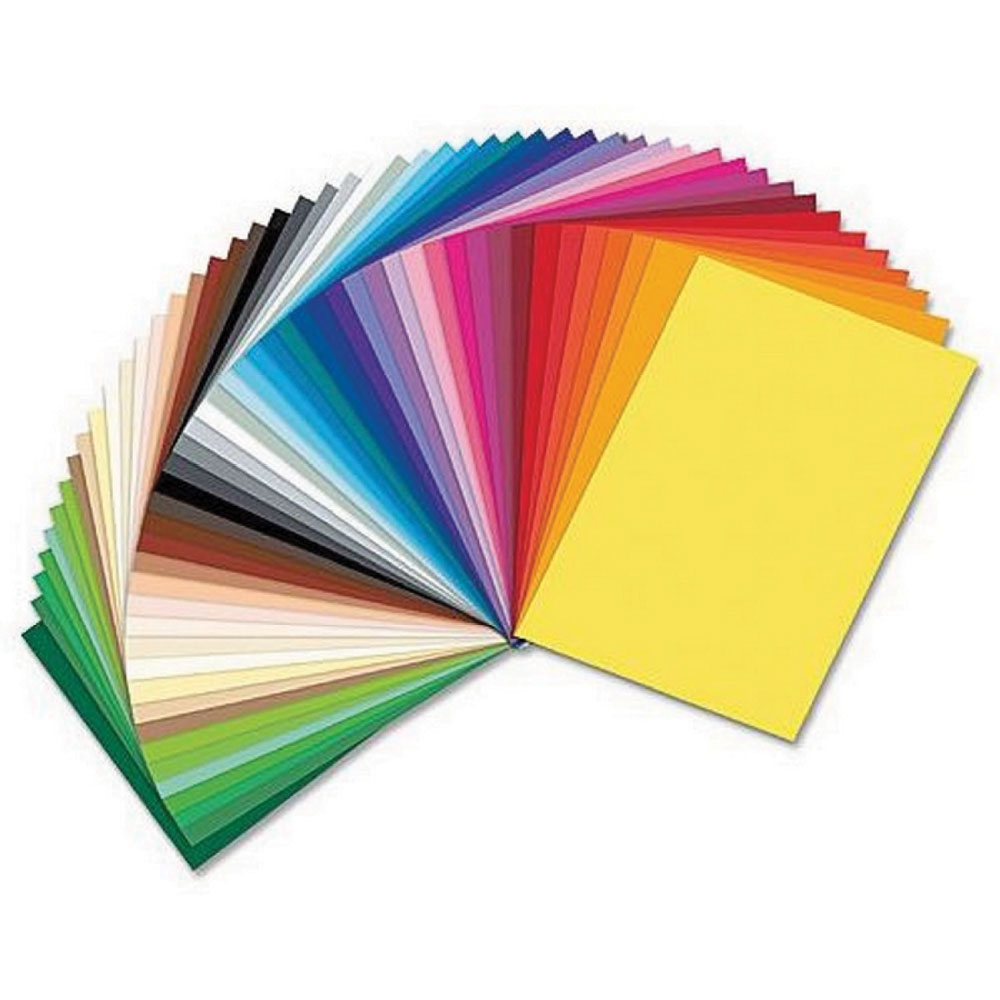
Diversified Papers
Unlimited selection of textured and colored paper.
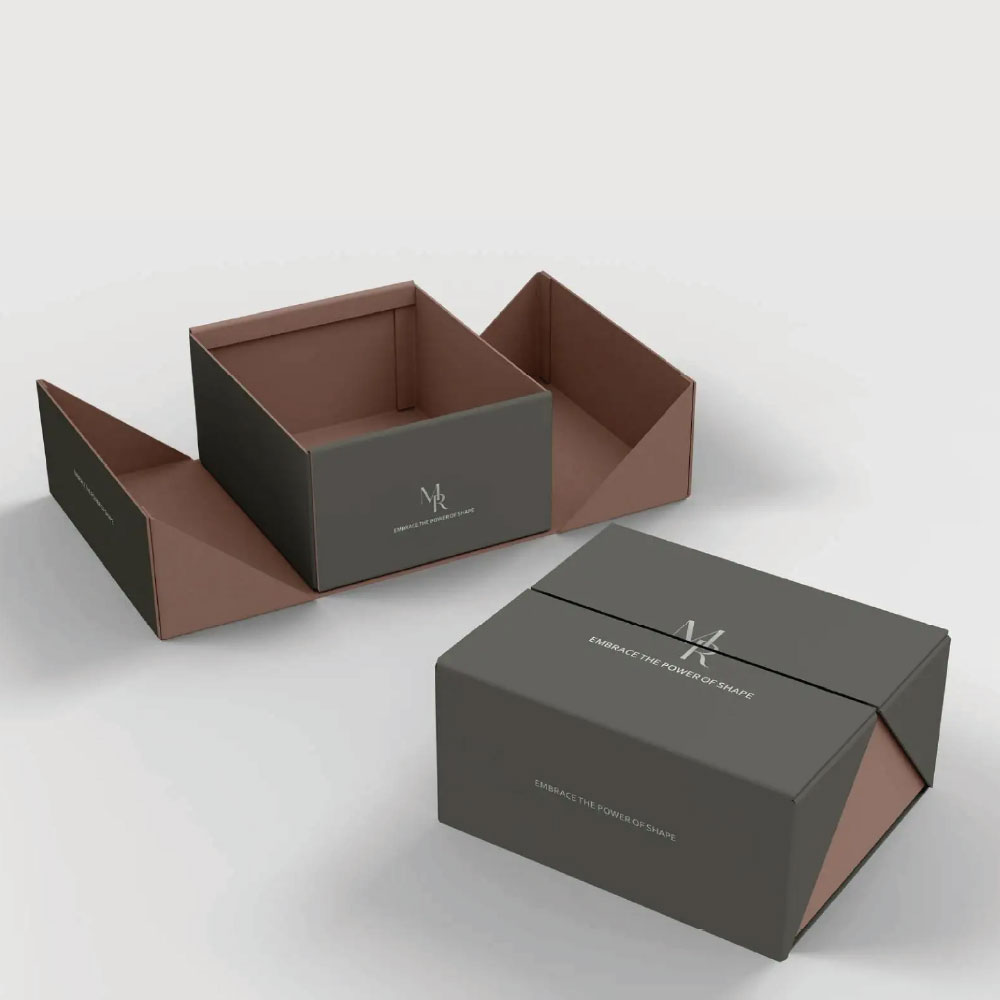
Custom Structure
Fully customized structures tailored to your specifications.
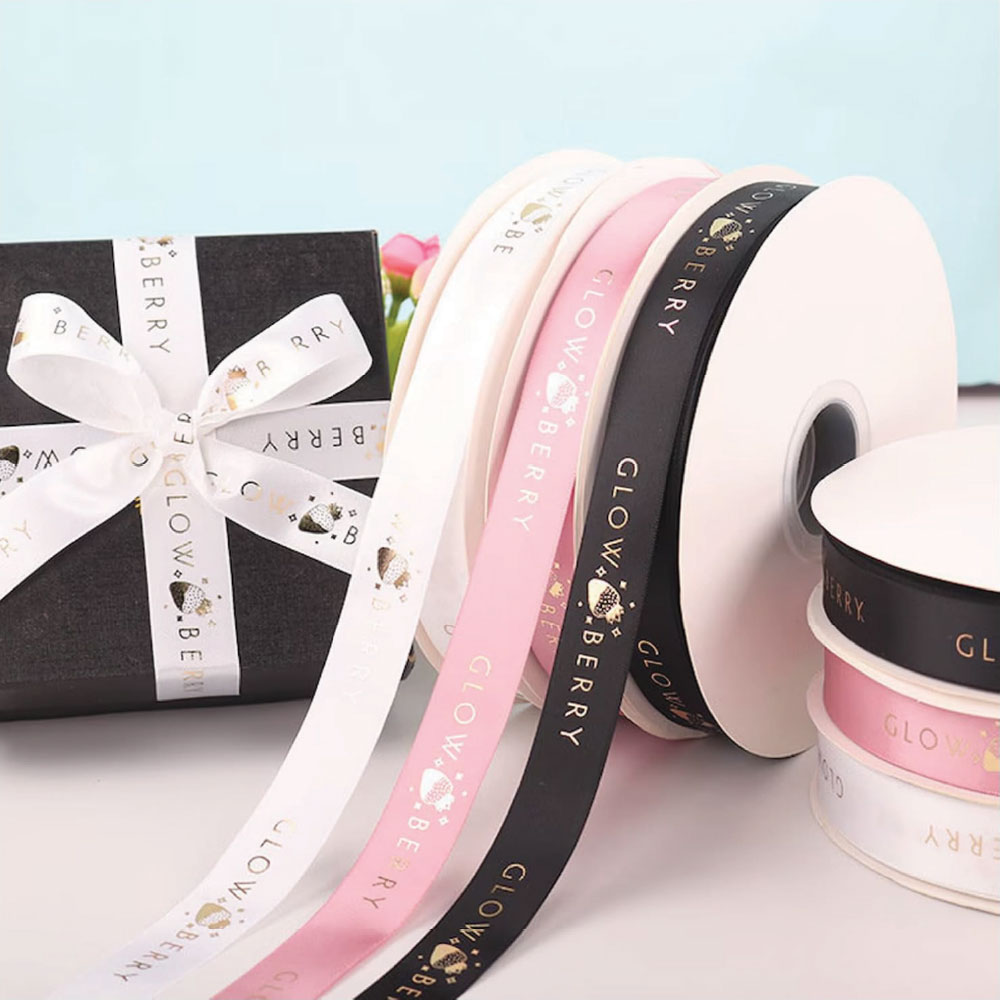
Custom Ribbons
Wide selection of custom luxurious ribbons for you to choose from.
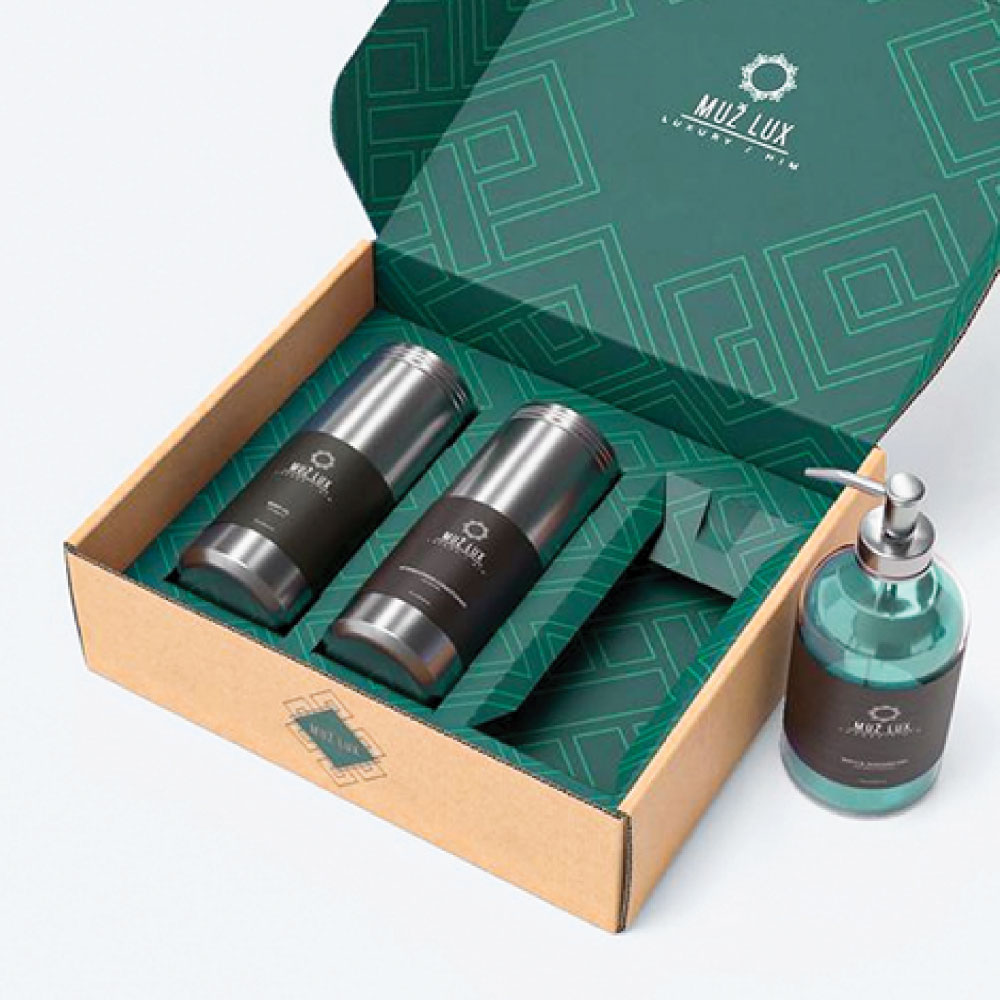
Custom Inserts
Versatile options for a variety of applications to keep products intact.
Material
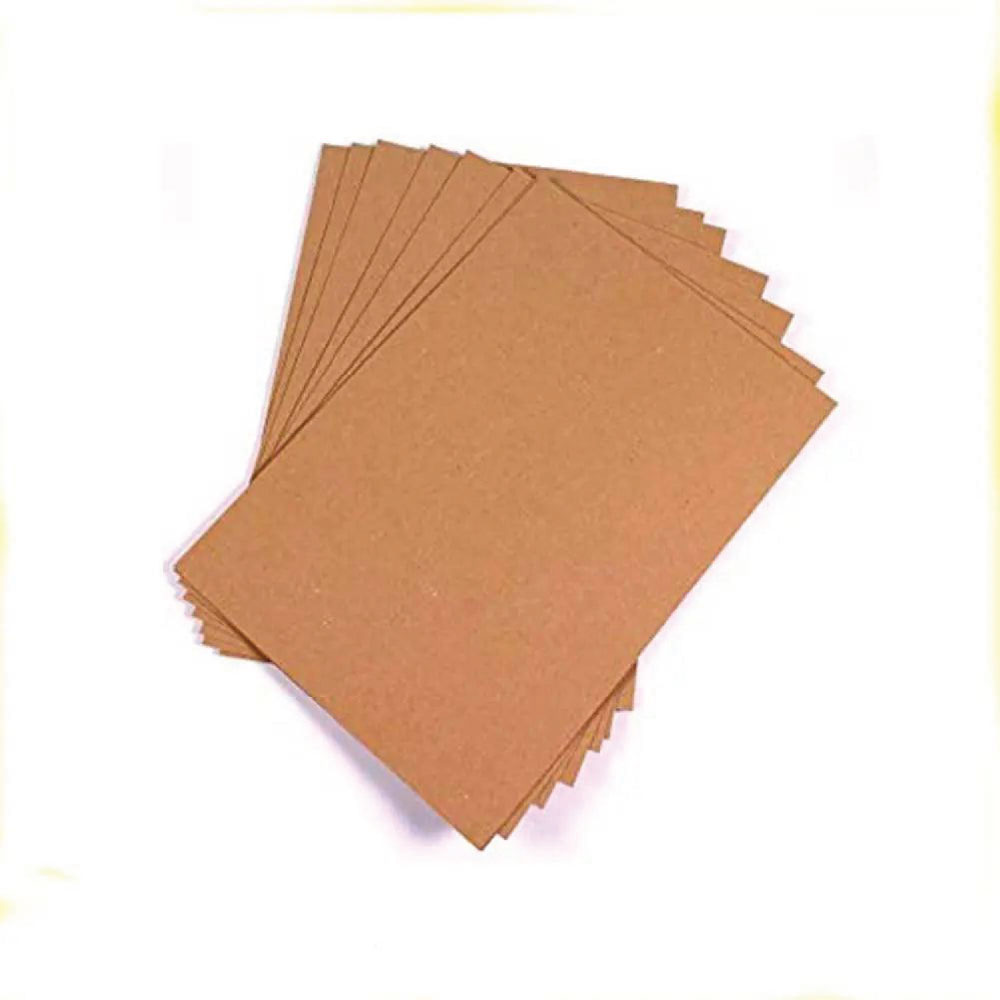
Kraft
Kraft is often used for packaging and ecommerce products because of its durability, elasticity, and environmental benefits.
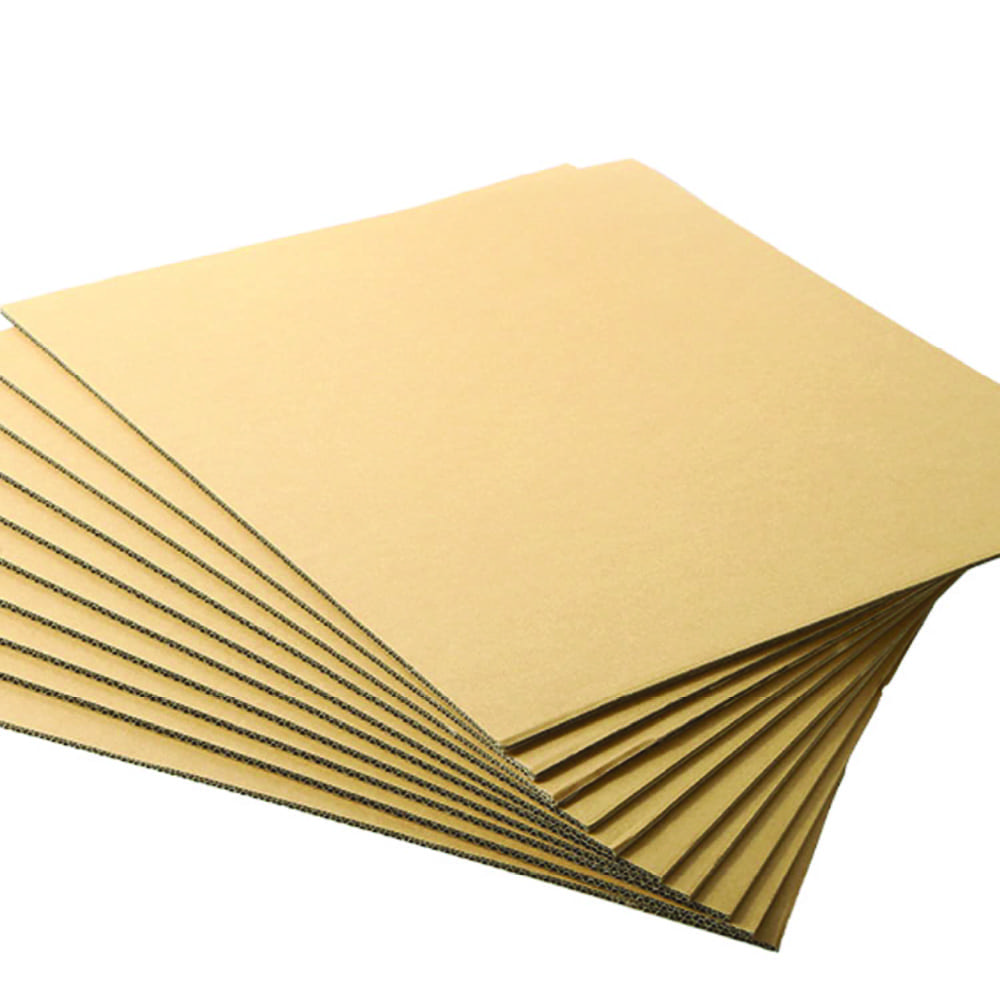
Corrugated
A sturdy packaging material made of three layers of kraft paper. its ideal for heavey or weighted products’ packaging.
Cardboard
Its made from paper pulp. its strong, lightweight and versatile. its also recycleable.