Description
Premium Finishes
Coating & Lamination
Special Capabilities
Material
Description
Custom Reverse Tuck End Boxes are folding cartons designed with the main top and bottom tuck flaps closing in opposite directions. This opposing closure arrangement distinguishes the Reverse Tuck End, or RTE, structure from Straight Tuck End cartons and affects panel orientation, artwork placement, and how the finished package opens. RTE boxes may suit selected lightweight retail products when the dimensions, packed weight, presentation, and protection requirements match the structure. Custom sizing, artwork, windows, inserts, and other design requirements should be planned around the approved dieline before production.
What Are Reverse Tuck End Boxes?
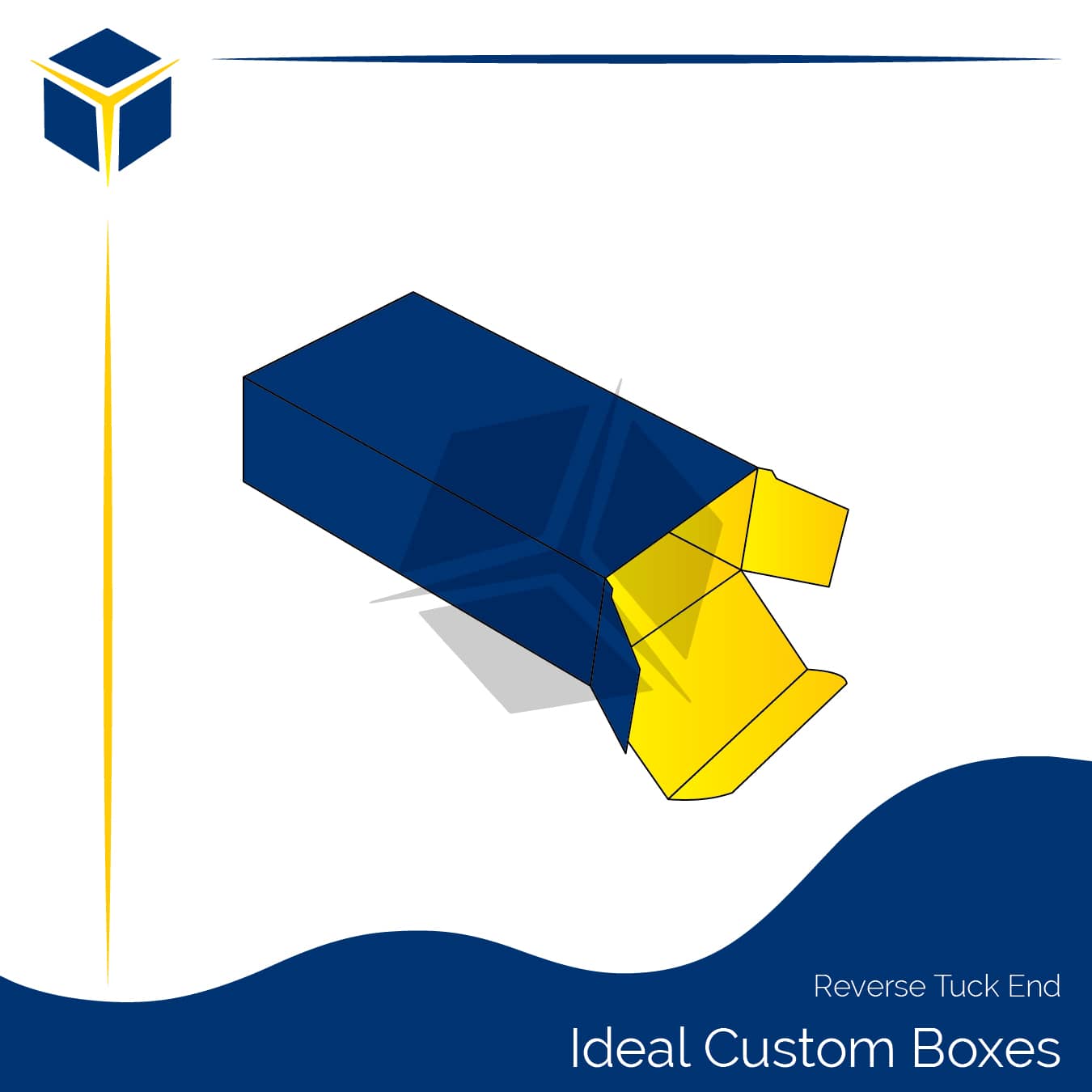
A Reverse Tuck End box is a folding-carton style in which the main tuck flap at one end closes in the opposite direction from the main tuck flap at the other end. The exact front-to-back orientation can vary according to the approved dieline. Therefore, the defining feature of an RTE carton is not that a particular flap always closes toward the front or back, but that the two main end closures face opposite directions.
This structure is generally considered for suitable lightweight retail items that can be packed inside a rectangular folding-carton profile. If you are still comparing tuck-carton configurations, see our custom tuck end boxes overview for a broader look at Straight Tuck End and Reverse Tuck End structures.
How Does the Reverse Tuck End Structure Work?
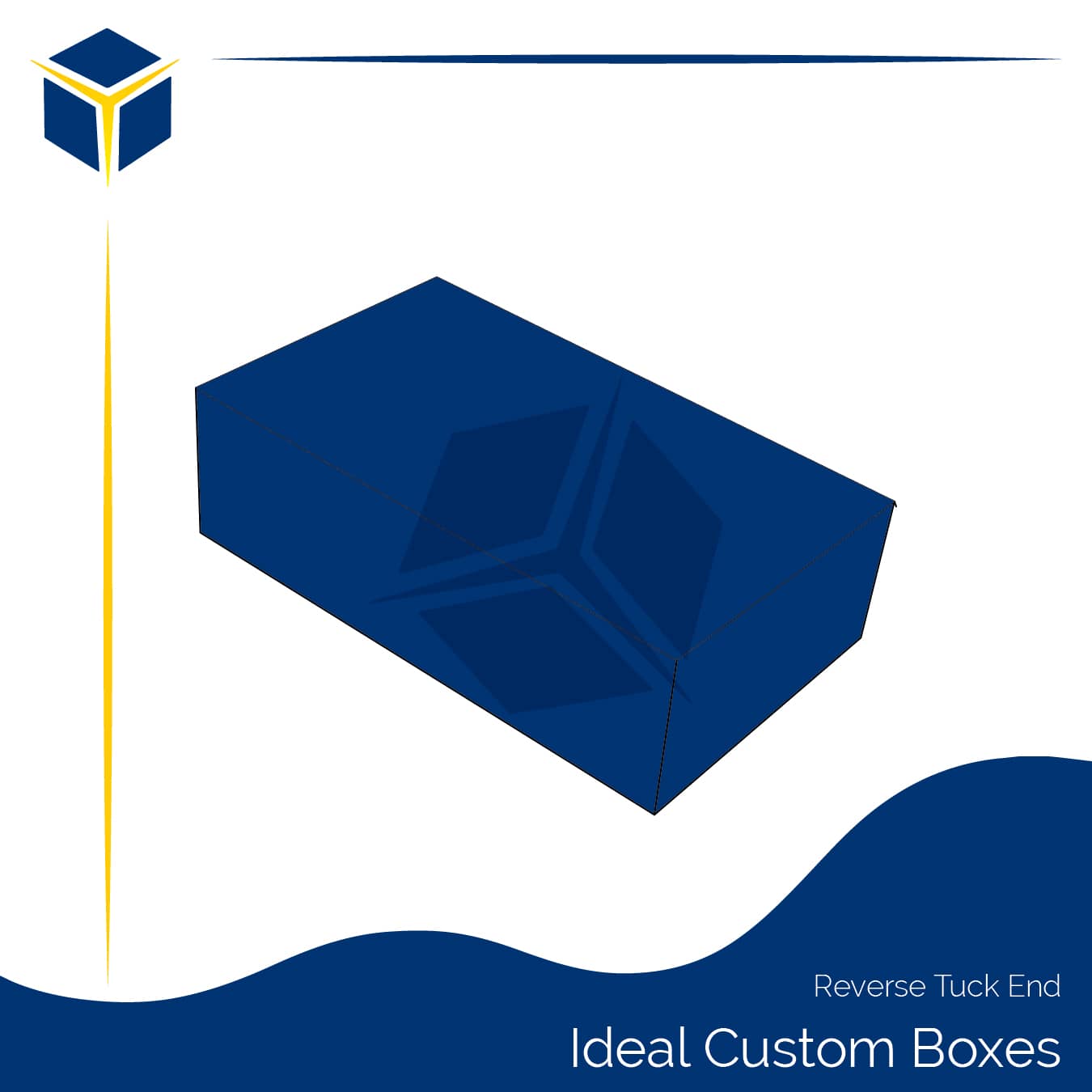
Reverse Tuck End cartons are typically supplied or stored flat before packing. During assembly, the carton is formed into shape and the tuck ends are folded into their closing positions.
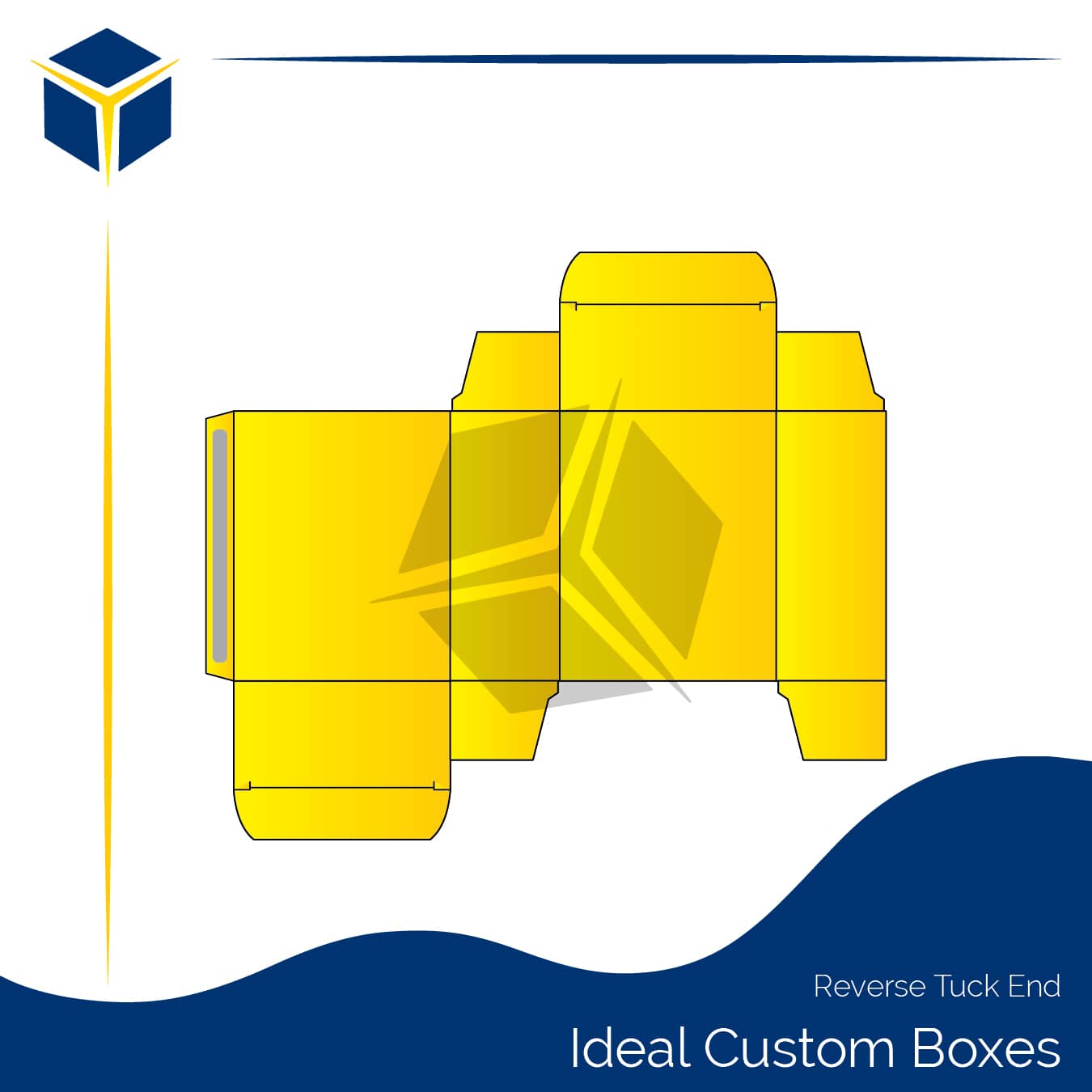
The structure generally includes:
- front and back display panels;
- side panels;
- top and bottom main tuck flaps;
- supporting dust flaps;
- fold and score lines;
- tuck areas that hold the closures in position;
- a structural seam based on the approved carton design.
The top and bottom main tuck flaps close in opposite directions. This affects which panels become customer-facing surfaces and should therefore be considered when positioning branding, product information, barcodes, windows, and other artwork.
The approved production dieline should always be treated as the final reference for panel orientation, folds, seams, tuck areas, and artwork placement.
How Reverse Tuck End Boxes Open and Close
To close a Reverse Tuck End carton, the supporting flaps are positioned and the main tuck flap is inserted into its corresponding opening. The closure at the opposite end follows the same basic tuck principle but faces the opposite direction. This allows the product to be accessed through a tuck-end opening without making the carton a permanently sealed structure.
The exact assembly sequence can vary with the final carton configuration, so production artwork and packing instructions should follow the approved dieline rather than a generic RTE template.
What Products Can Use Reverse Tuck End Boxes?
Reverse Tuck End packaging may be suitable for selected lightweight retail products when the carton dimensions, packed weight, orientation, and required level of protection match the structure.
Potential applications can include:
- cosmetics and skincare units;
- supplement or similar small bottles;
- personal-care products;
- small accessories;
- compact retail items;
- other products that fit an appropriate rectangular carton profile.
Product category alone should not determine whether RTE packaging is appropriate.
A buyer should also consider:
- finished product dimensions;
- total packed weight;
- product orientation;
- required protection;
- customer-facing panel;
- loading and removal direction;
- insert requirements;
- retail presentation;
- ecommerce or shipping requirements.
A standard Reverse Tuck End carton should not automatically be treated as heavy-duty or parcel-shipping packaging. Products requiring greater structural support or transit protection may need another box style, an internal insert, or an appropriate outer shipping package. When a project requires a different bottom-locking arrangement, Tuck End with Snap Locks may also be worth comparing before the final structure is selected.
Advantages and Limitations of Reverse Tuck End Boxes
Understanding both the benefits and limitations of the structure helps determine whether RTE is suitable for a specific packaging project.
| Consideration | Practical Effect |
|---|---|
| Opposite tuck directions | Creates a different closure and panel arrangement from Straight Tuck End cartons. |
| Flat storage | The folding-carton format can typically remain flat before packing. |
| Tuck-end access | Allows the product to be accessed through a tuck closure. |
| Printable panels | Exterior panels provide space for branding and required product information. |
| Artwork orientation | Branding must be coordinated with the opposite-facing closure layout. |
| Window compatibility | A window may be possible when it does not interfere with folds, tuck areas, or the structural seam. |
| Insert compatibility | Inserts may be considered when sufficient internal space and structural compatibility are available. |
| Protection | A standard RTE carton should not automatically be considered heavy-duty or suitable as a standalone shipping box. |
| Structural selection | Packed weight, dimensions, orientation, packing method, and protection requirements may make another structure more appropriate. |
If the product requires a different closure, bottom construction, presentation format, or assembly method, browse our packaging styles to compare other structural options.
Custom Sizing for Reverse Tuck End Boxes
Reverse Tuck End boxes can be requested in custom dimensions based on the packaging project. Sizing should be determined from the fully packed product rather than the empty product alone.
When requesting a quote, provide:
- required interior length;
- required interior width;
- required interior height;
- fully packed product dimensions;
- total packed product weight;
- product orientation;
- quantity;
- customer-facing panel;
- loading or removal direction;
- window requirements, if any;
- insert or divider requirements, if any;
- artwork when available;
- intended retail or ecommerce use;
- delivery ZIP code.
Exact dimensional limitations are confirmed during structural review and quotation.
Windows, Inserts and Dividers
Windows, inserts, and dividers may be incorporated into a Reverse Tuck End project when they are compatible with the final carton dimensions and structure.
Windows
Window placement should avoid interfering with:
- fold lines;
- tuck areas;
- structural seams;
- important information panels;
- areas needed for reliable carton formation.
Window size and placement should therefore be finalized against the approved dieline rather than added after artwork has already been completed.
Inserts and Dividers
An insert or divider may be useful when the product requires better positioning or internal organization.
Insert design should be based on:
- the fully packed product profile;
- available internal dimensions;
- product orientation;
- loading direction;
- required separation between items;
- the final carton structure.
Compatibility is confirmed during the structural review of the project.
Material, Printing and Finishing Considerations
Material selection for a Reverse Tuck End carton should be based on the actual packaging specification rather than a generic board-thickness recommendation.
Important considerations include:
- finished box dimensions;
- total packed product weight;
- print coverage;
- artwork requirements;
- window configuration;
- insert requirements;
- finishing requirements;
- intended retail use;
- packing process.
The appropriate material specification is confirmed during quotation for the final Reverse Tuck End configuration. Printing and finishing requirements can also be submitted with the project. Final compatibility depends on the selected structure, material, artwork, quantity, and production method.
This approach avoids selecting a material or finish that may not suit the final dimensions or structural requirements of the carton.
Artwork and Dieline Requirements
Artwork for Reverse Tuck End Boxes should be prepared against the approved production dieline for the final dimensions.
Before artwork is finalized, confirm:
- the customer-facing front panel;
- top closure orientation;
- bottom closure orientation;
- product loading direction;
- window position, if required;
- insert requirements, if required;
- barcode or QR-code location;
- regulatory or product-information panels where applicable;
- fold and tuck areas;
- structural seam position shown on the approved dieline.
The opposite-facing tuck arrangement makes panel orientation especially important because artwork that appears correctly positioned on a flat layout may appear on a different face once the carton is assembled.
Do not use a generic Reverse Tuck End dieline for final production unless it has been approved for the actual box dimensions and structure. Any bleed, safe-area, or artwork instructions supplied with the approved dieline should be followed.
Reverse Tuck End vs Straight Tuck End Boxes
Reverse Tuck End and Straight Tuck End cartons use similar folding-carton principles, but their main tuck flaps are oriented differently.
| Factor | Reverse Tuck End | Straight Tuck End |
|---|---|---|
| Main tuck direction | Top and bottom main tuck flaps close in opposite directions. | Main top and bottom tuck flaps close in the same direction. |
| Panel arrangement | Opposite closure directions affect panel and artwork orientation. | Same-direction closures create a different panel arrangement. |
| Product access | Through a tuck-end opening. | Through a tuck-end opening. |
| Artwork planning | Must follow the approved RTE panel orientation. | Must follow the approved STE panel orientation. |
| Window planning | Placement must account for folds, tuck areas, and the structural seam. | The same principle applies, but flap orientation differs. |
| Structural performance | No universal superiority should be assumed. | No universal superiority should be assumed. |
Choose between Reverse Tuck End and Straight Tuck End based on product dimensions, packed weight, customer-facing panel, opening direction, window placement, product orientation, packing method, and the approved dieline.
What Information Is Needed for a Reverse Tuck End Box Quote?
Providing complete project information helps determine whether the RTE structure is appropriate and allows the quotation to be based on the actual packaging requirements.
Submit:
- box dimensions;
- units of measurement;
- total packed product weight;
- required quantity;
- intended use;
- artwork when available;
- preferred product orientation;
- window requirements;
- insert or divider requirements;
- delivery ZIP code.
Low MOQs are available, with the exact minimum quantity determined for the final project specification. Standard turnaround is 12 to 14 business days. Express turnaround of 6 to 8 business days may be available for suitable projects.
Final price, material specification, structural details, proof requirements, shipping terms, and production schedule should be confirmed in the quotation before production begins. Once these details are ready, you can request a custom quote for the final Reverse Tuck End specification.
Premium Finishes
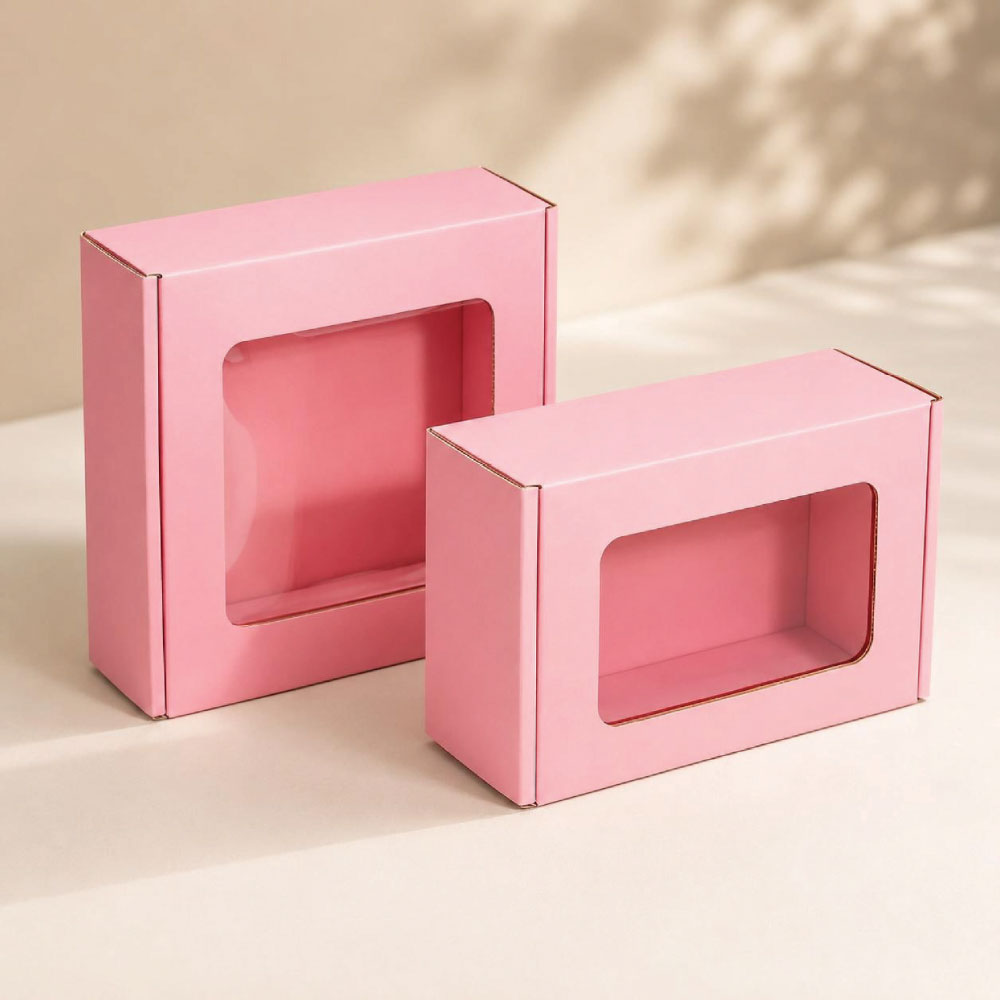
Window Patching
Special technique with a transparent plastic film covering the cut-out.
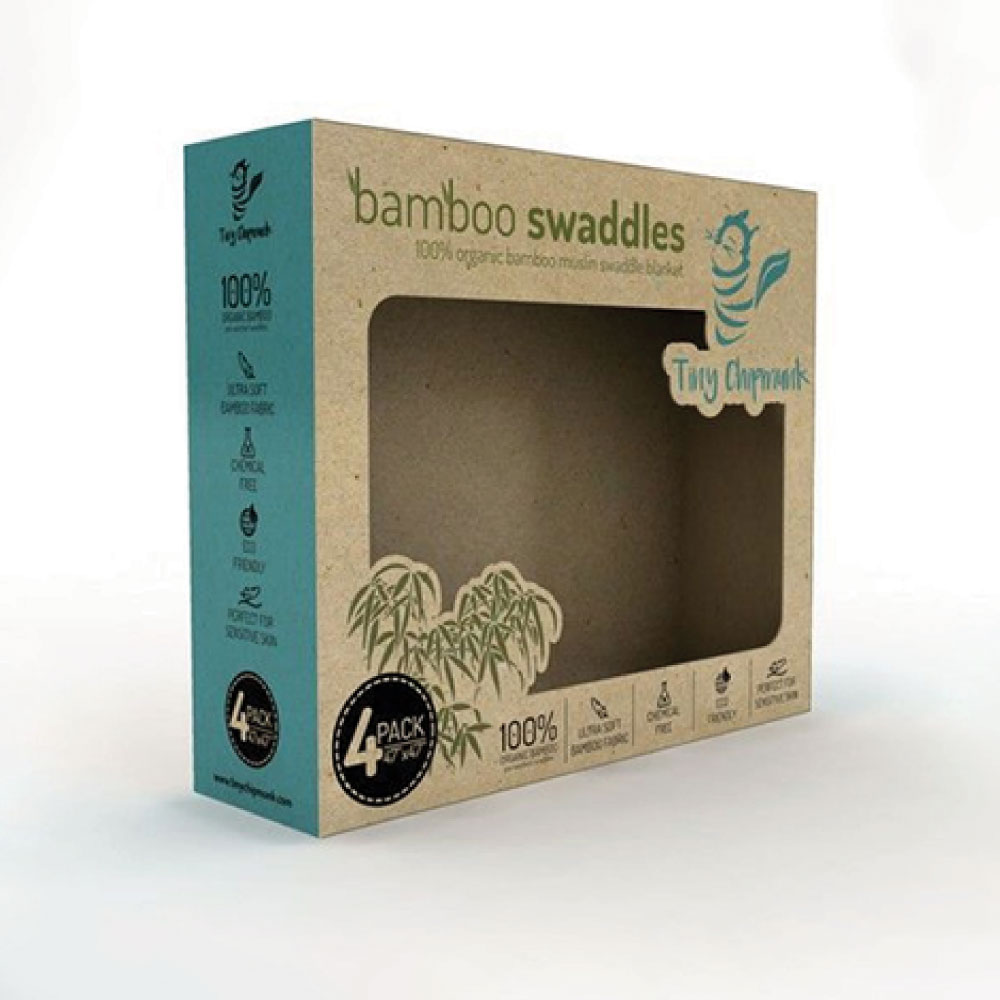
Window Die-cut
Special process where a cut-out is created on the packaging surface.
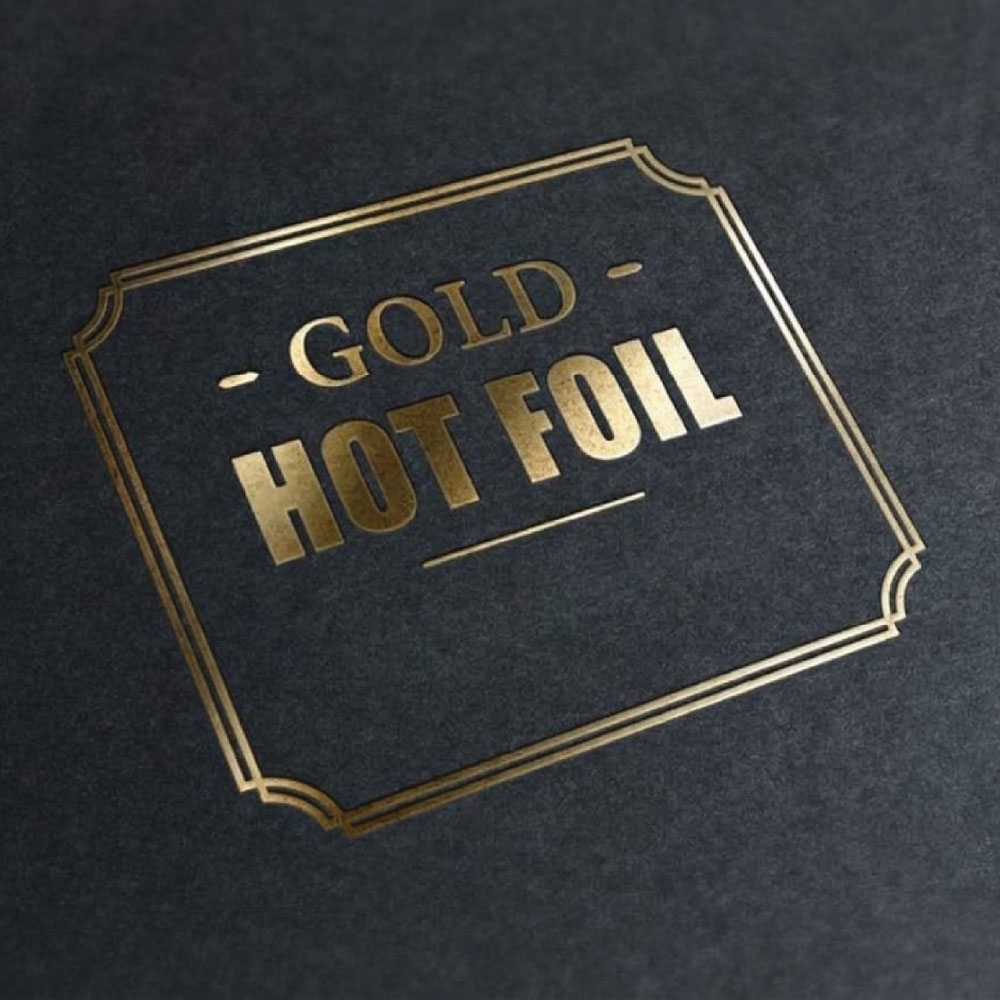
Stamping
Heat transferred foil onto paper surface.
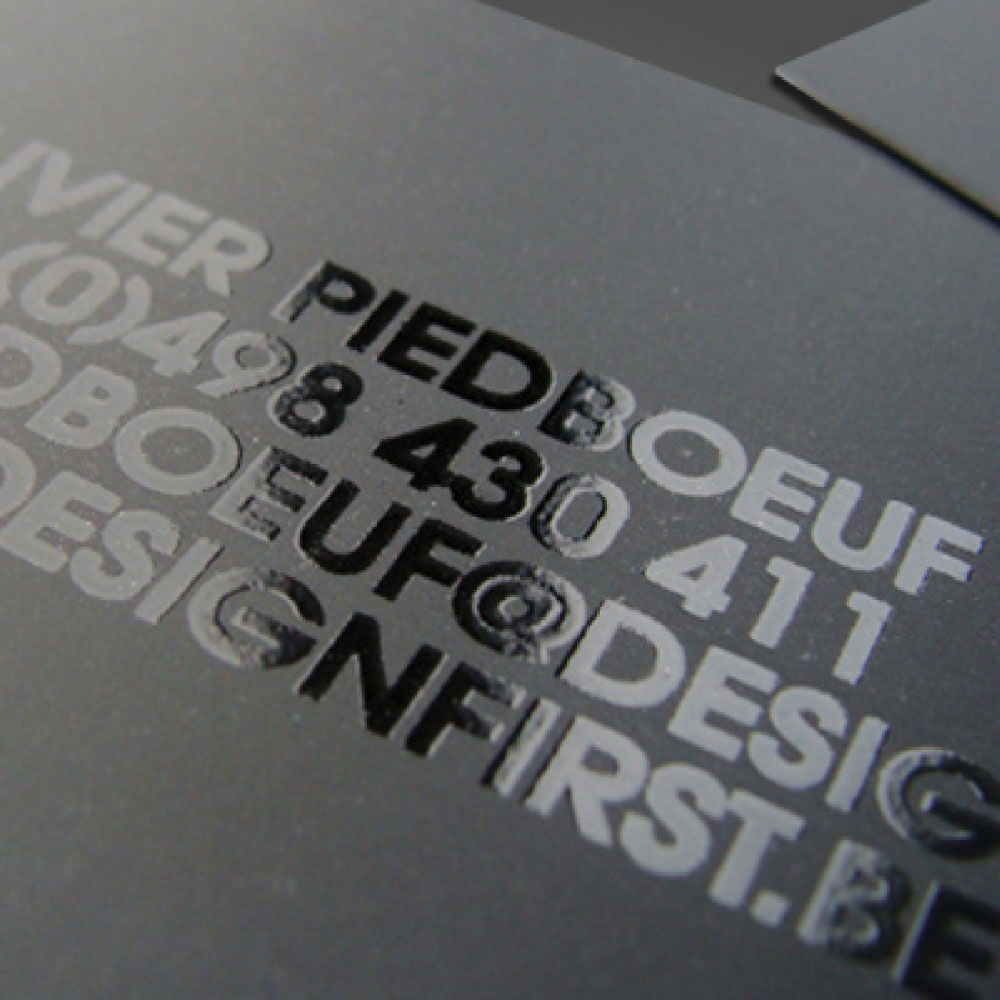
Spot UV
UV gloss coating cured on specific areas.
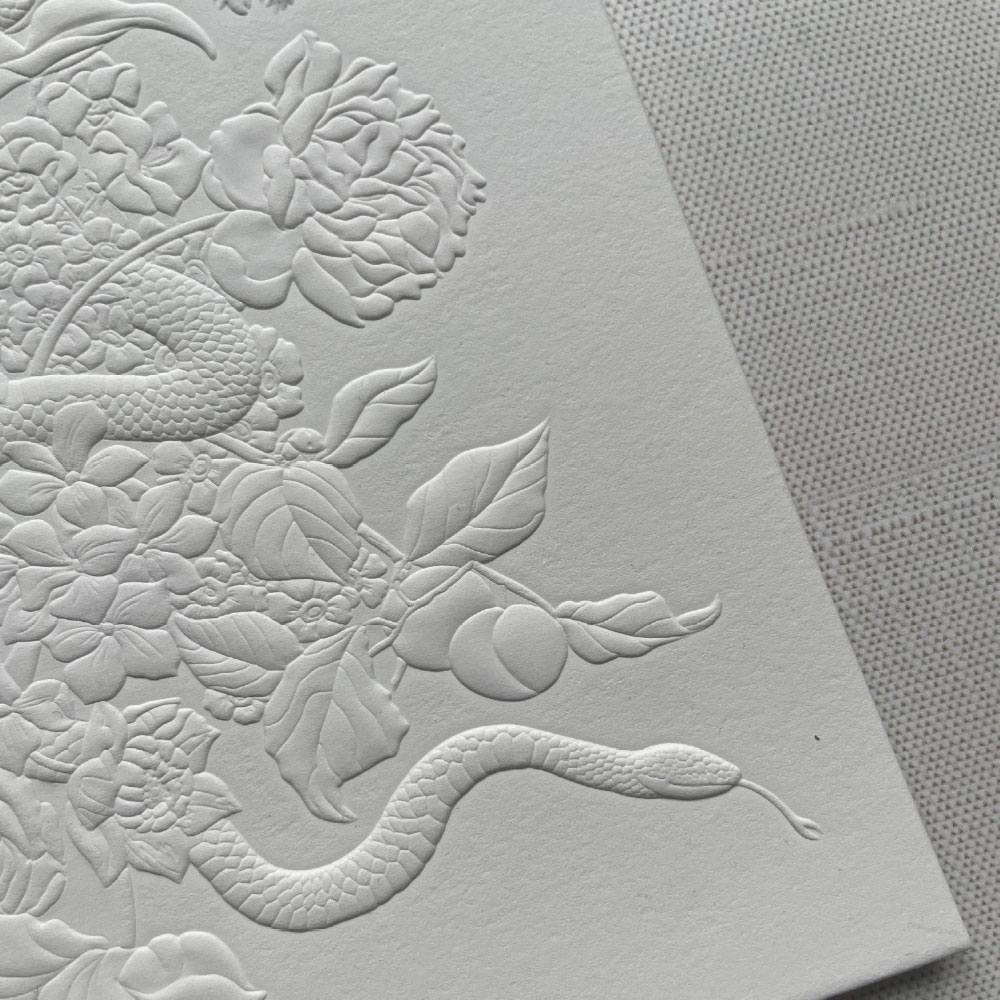
Emboss
Special process that creates a raised or recessed pattern on the surface.

Deboss
Special process that creates a raised or recessed pattern on the surface.
Coating & Lamination
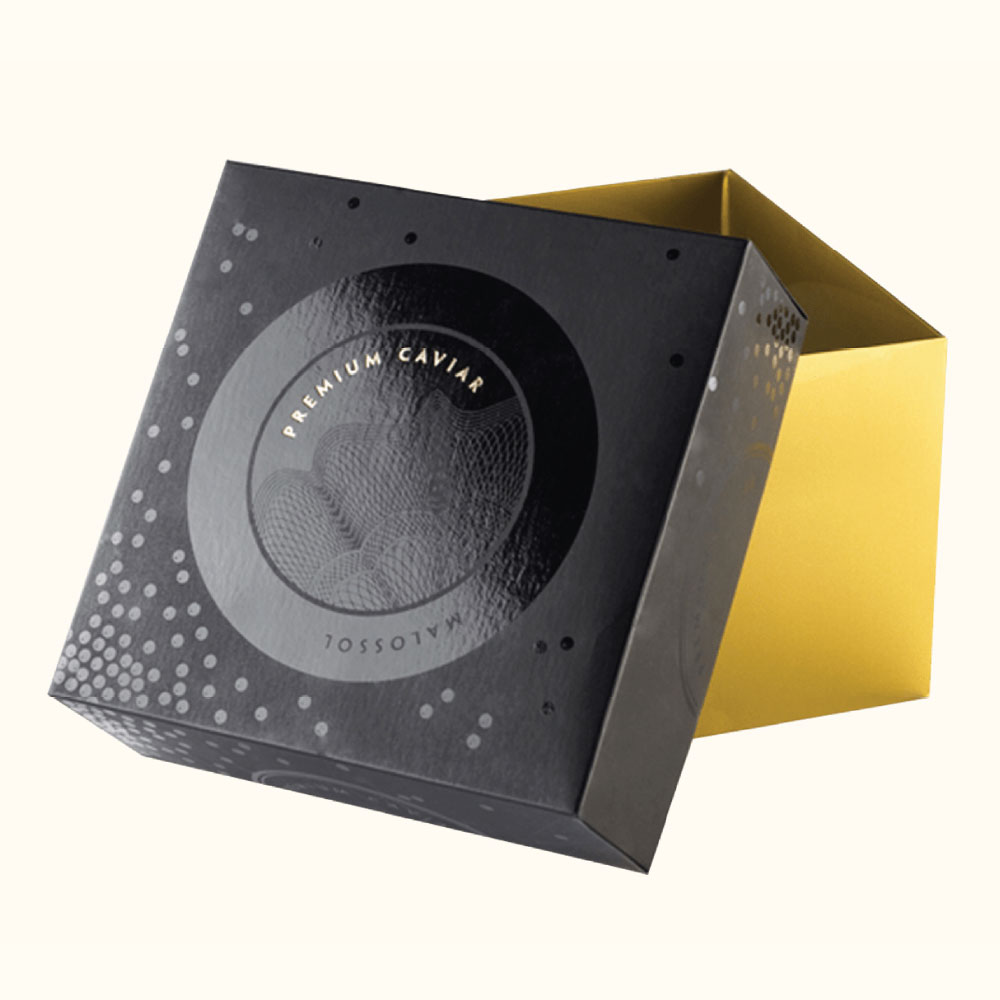
Varnish
Inexpensive option that coats and adds surface protection.
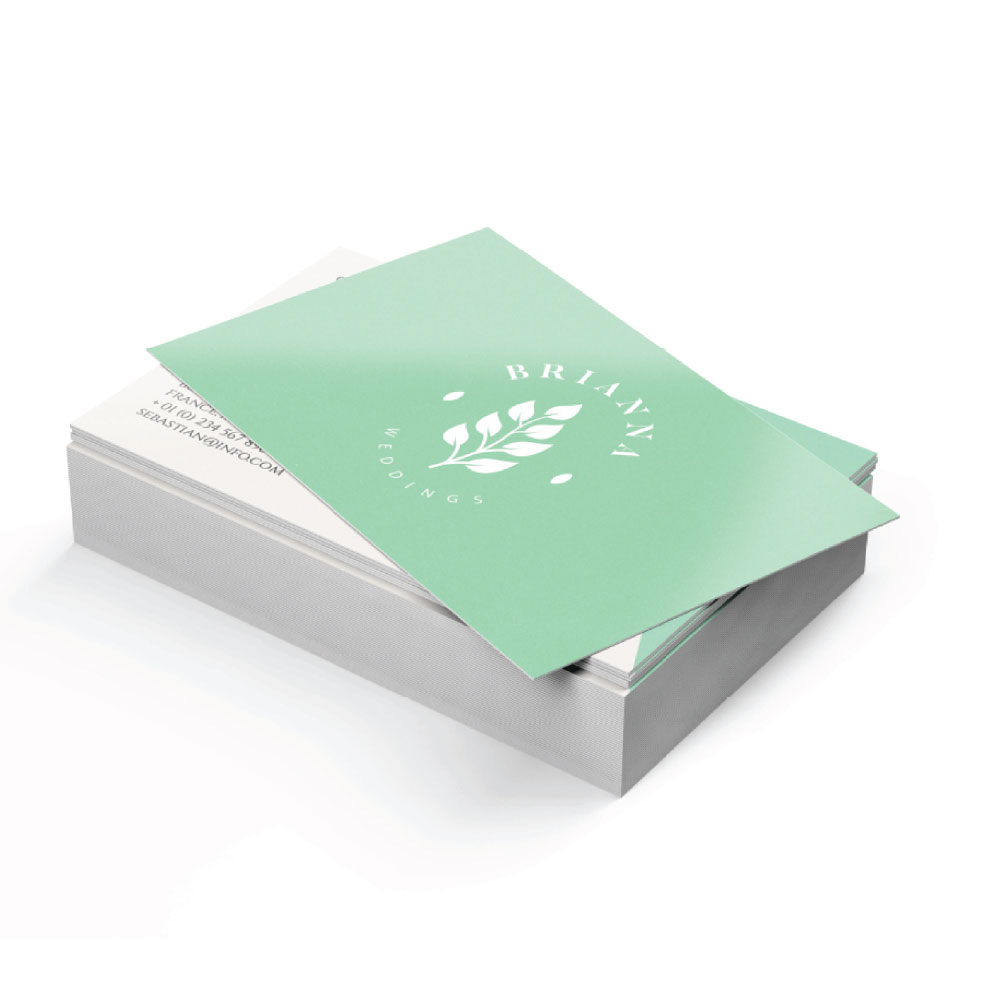
Soft Touch
Ink coating that produces smooth surface. Cheaper alternative to lamination.
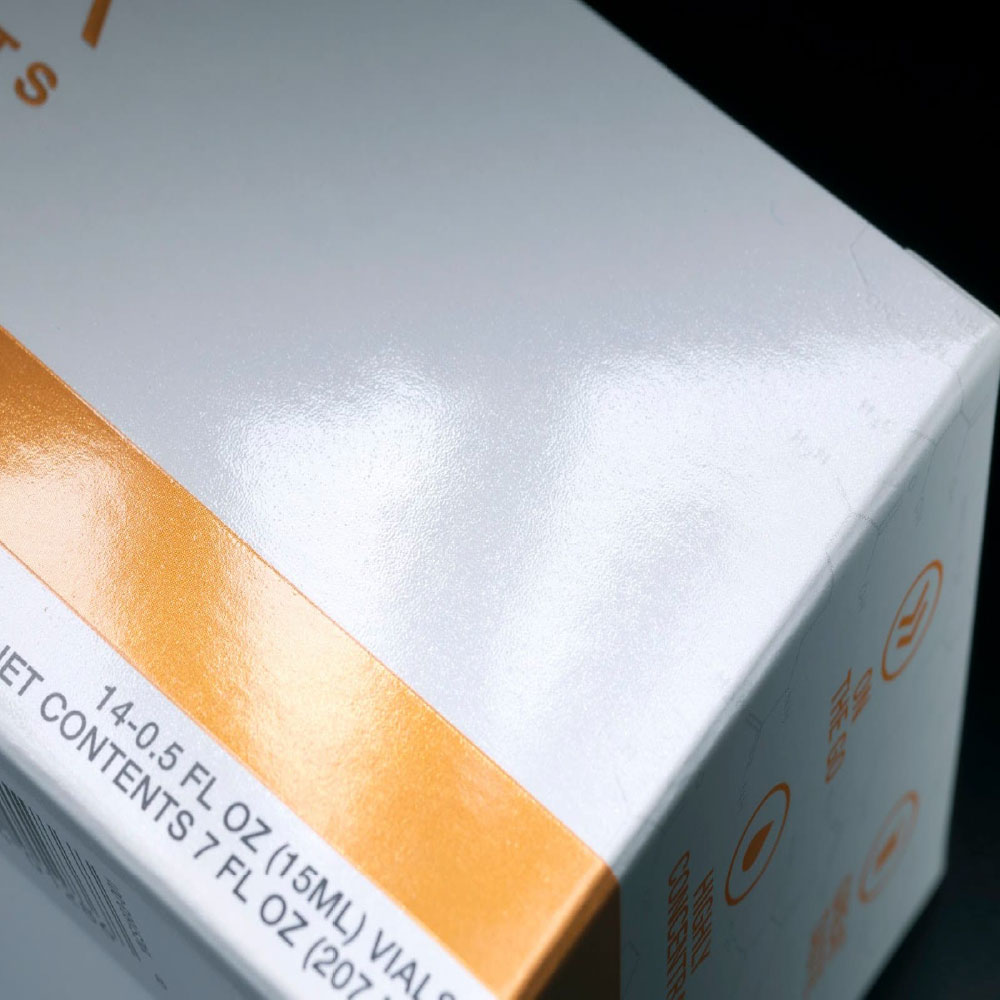
Pearlescent Coating
Give your surface extra decorative shimmer and shine.
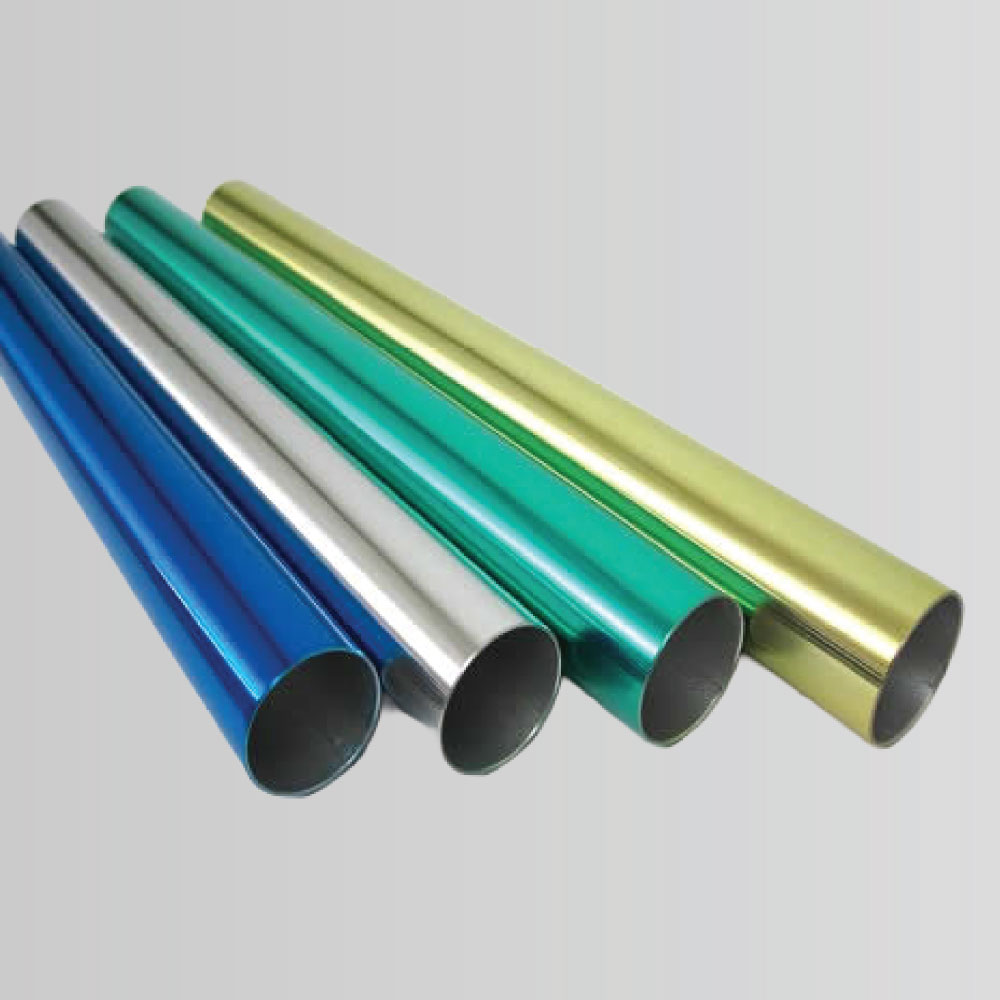
Metallic Coating
Add an extra metallic sheen to your box surface.
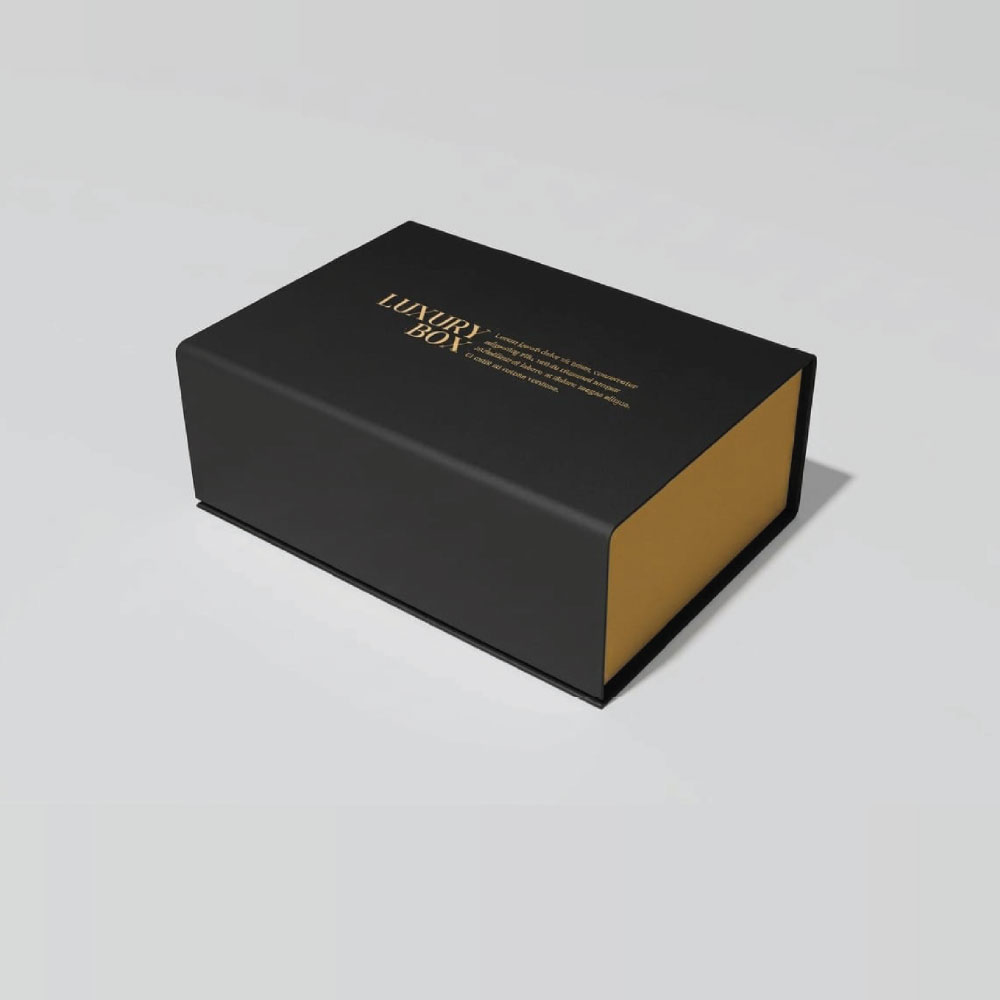
Matte
Special process that creates a raised or recessed pattern on the surface.
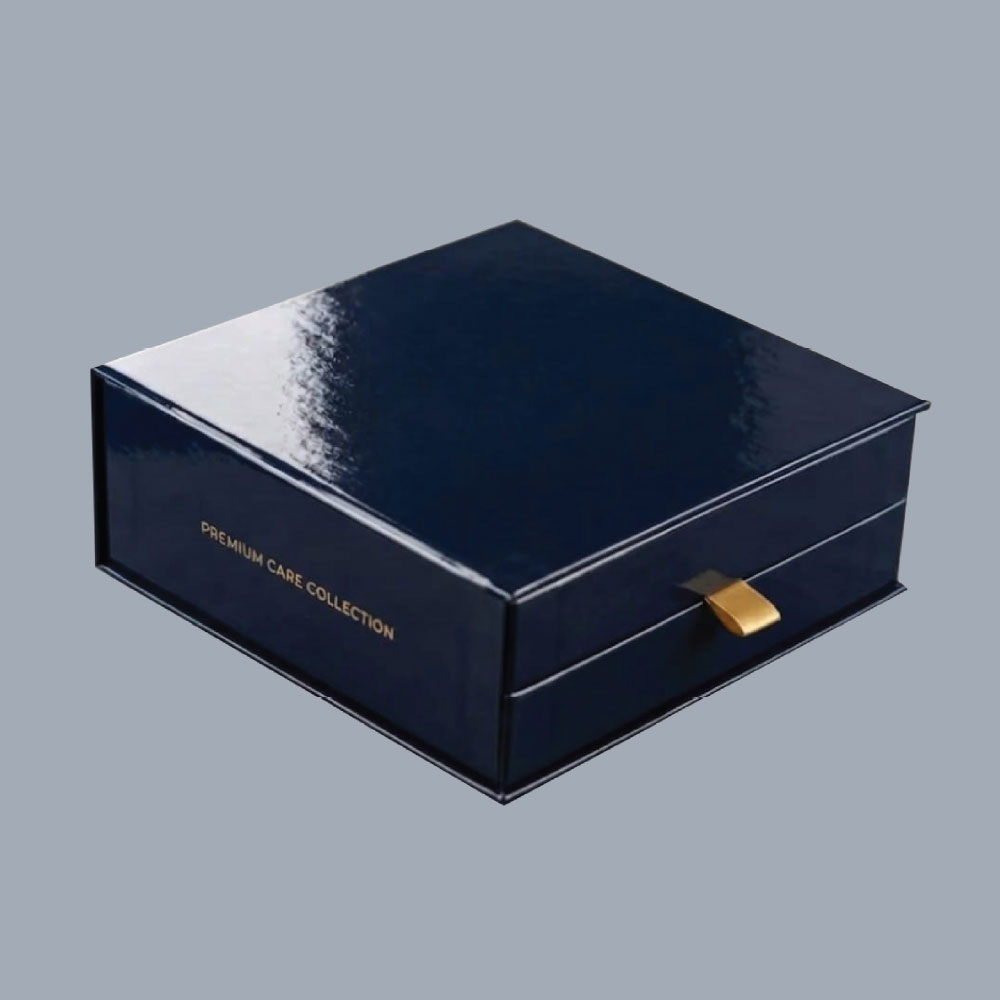
Gloss
Thin layer that gives the box a glossy surface.
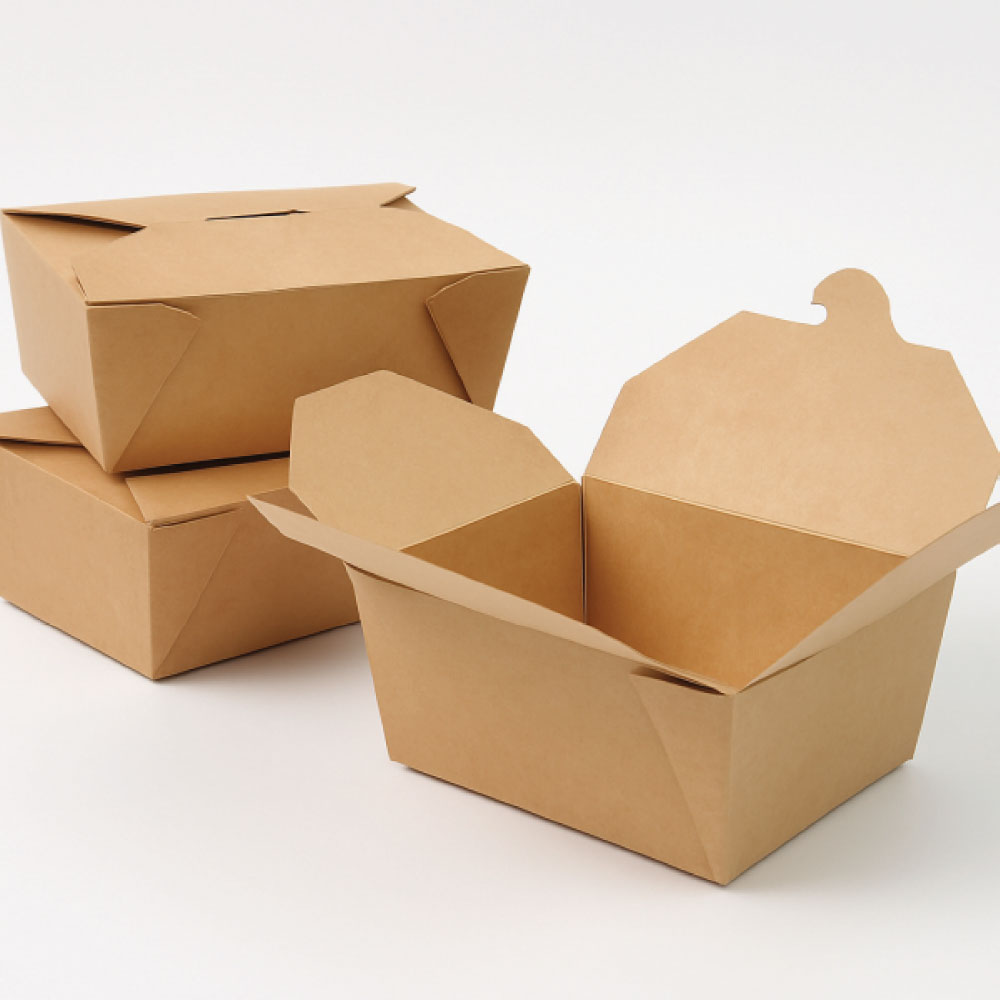
Food Coating
Inexpensive option that coats and adds surface protection.
AQ Coating
Ink coating that produces smooth surface. Cheaper alternative to lamination.
Special Capabilities
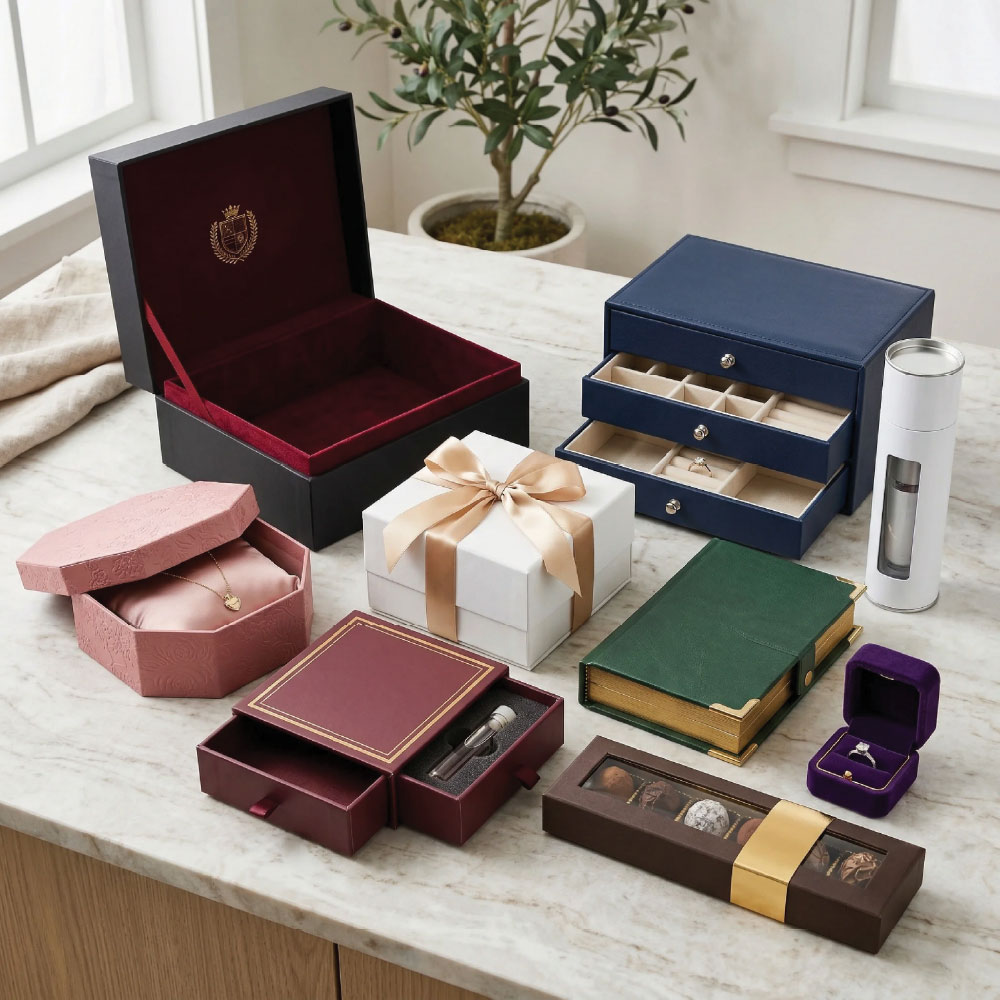
Unlimited Accessories
Meet your exact needs and preferences with easily personalized handles and buttons.
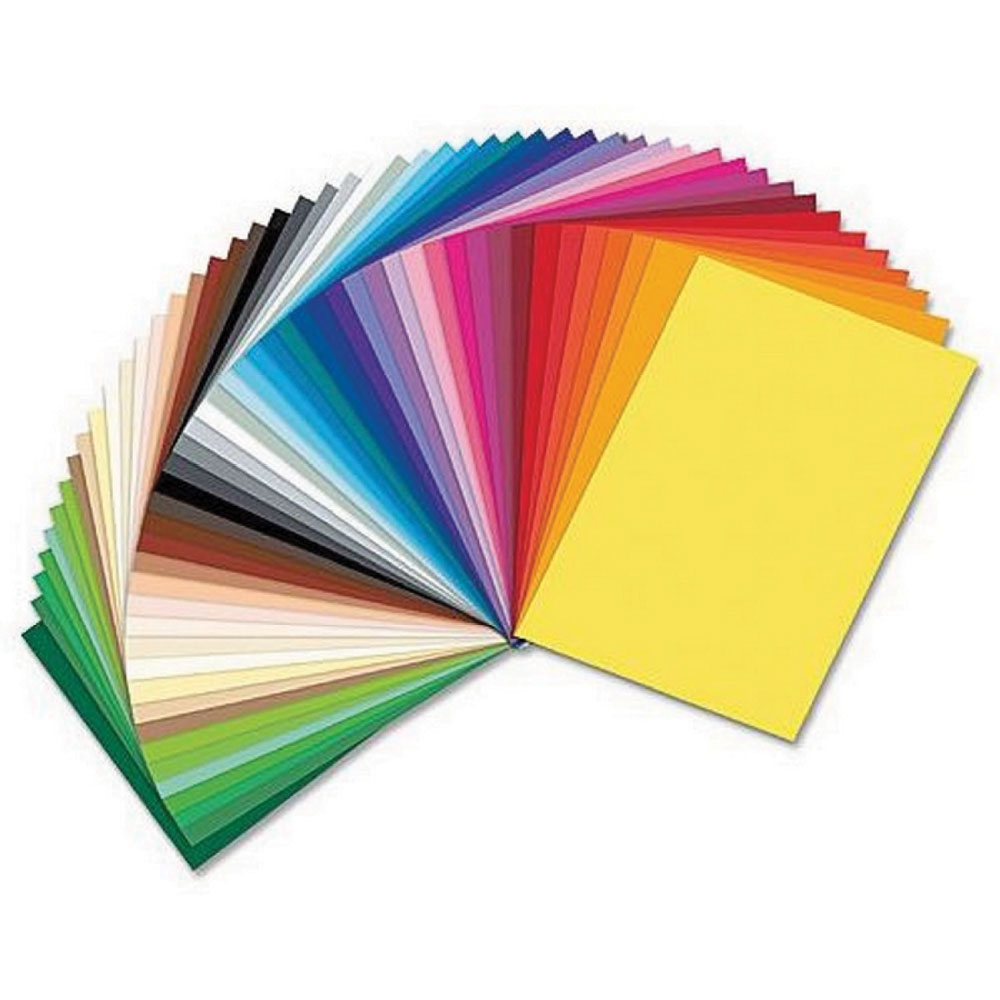
Diversified Papers
Unlimited selection of textured and colored paper.
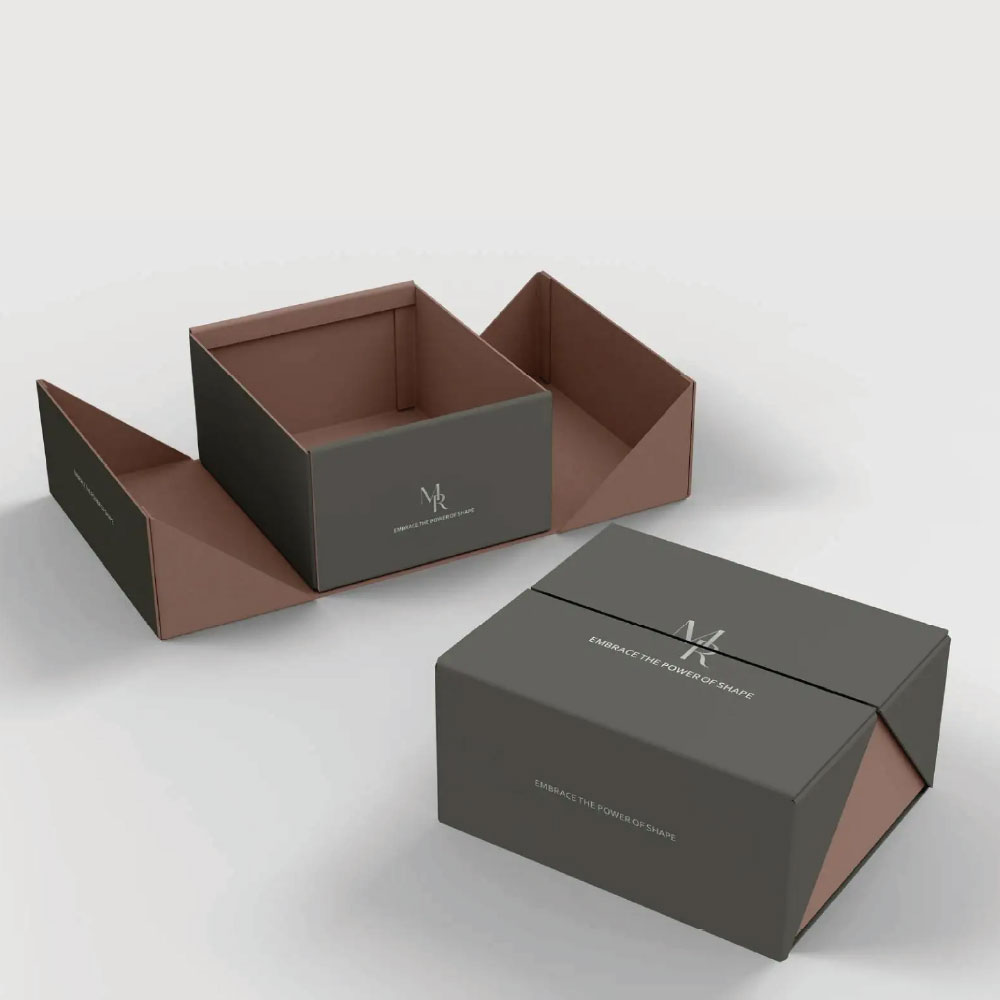
Custom Structure
Fully customized structures tailored to your specifications.
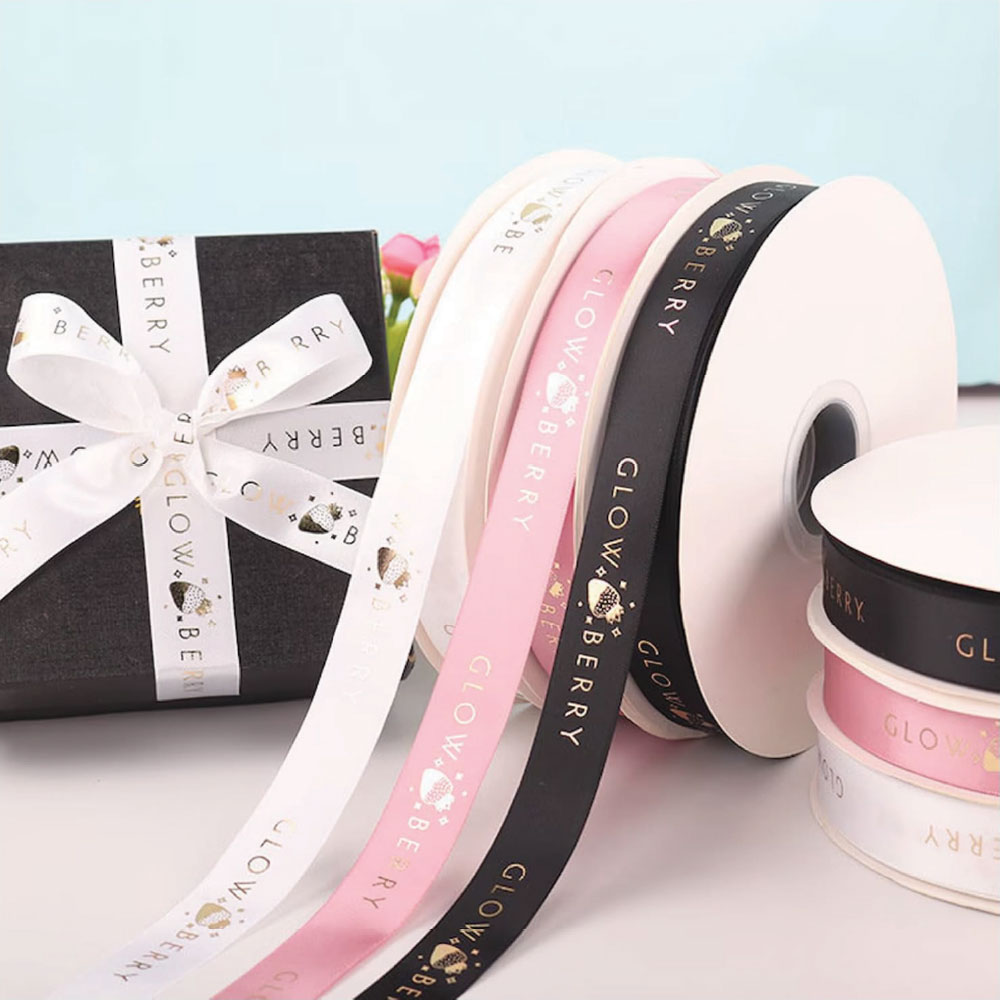
Custom Ribbons
Wide selection of custom luxurious ribbons for you to choose from.
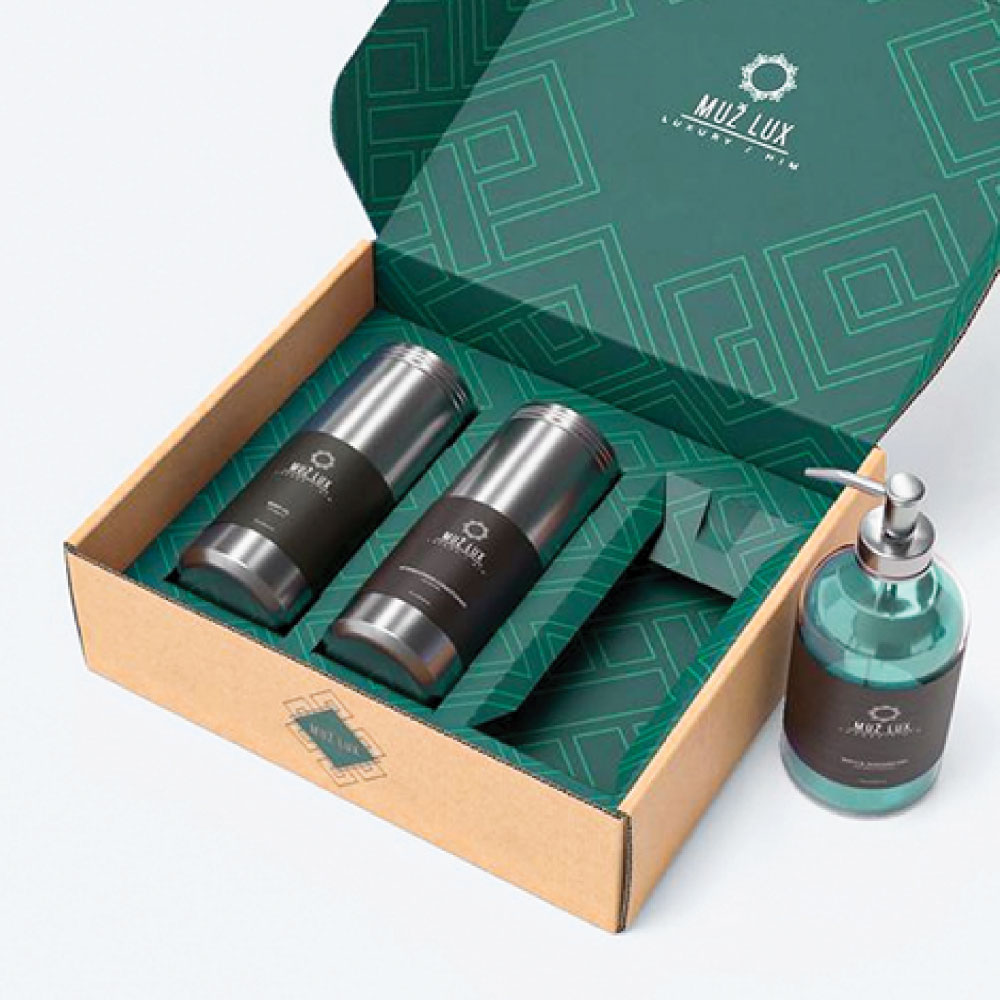
Custom Inserts
Versatile options for a variety of applications to keep products intact.
Material
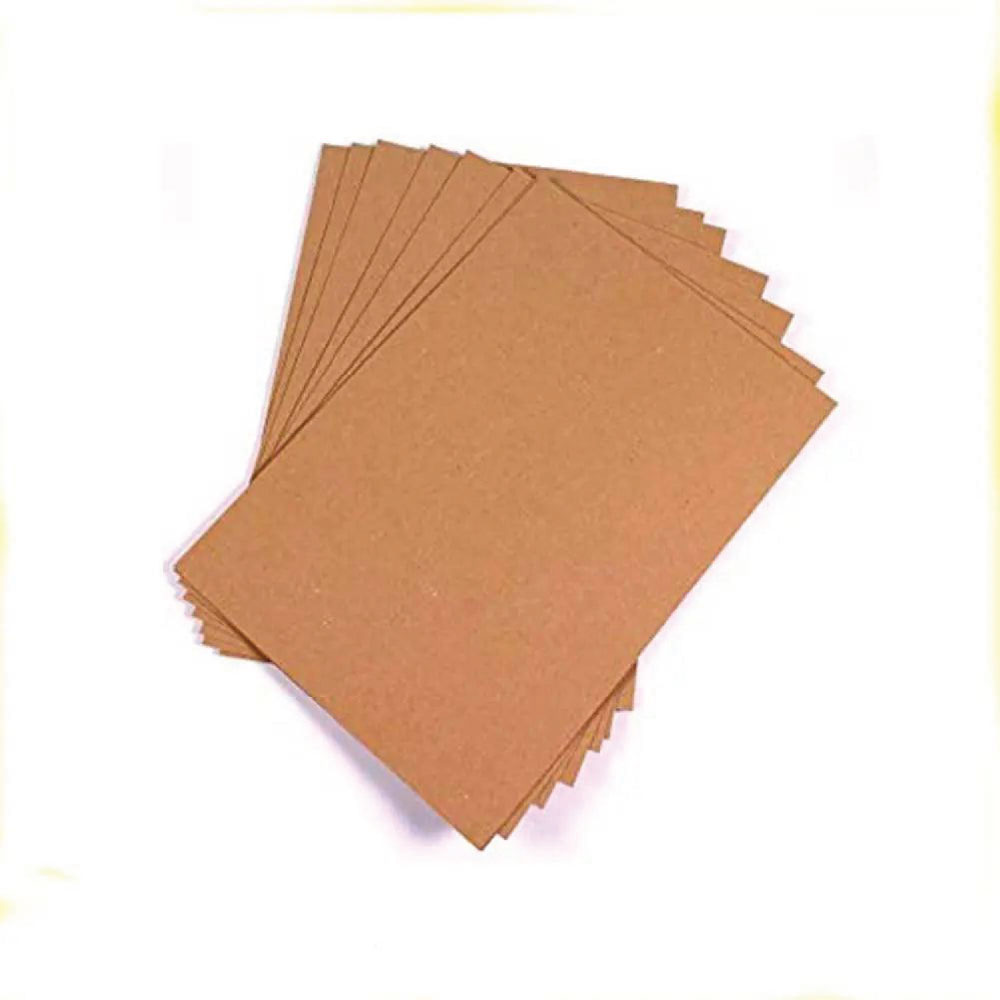
Kraft
Kraft is often used for packaging and ecommerce products because of its durability, elasticity, and environmental benefits.
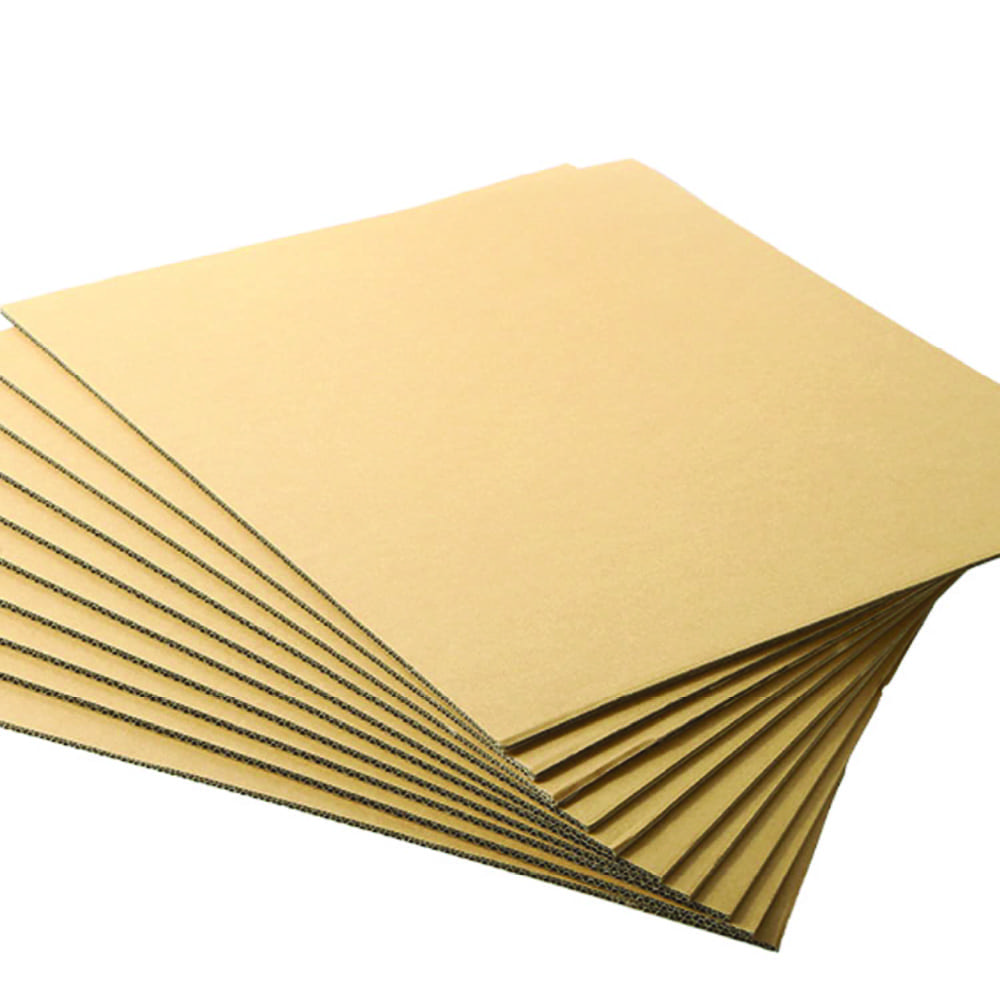
Corrugated
A sturdy packaging material made of three layers of kraft paper. its ideal for heavey or weighted products’ packaging.
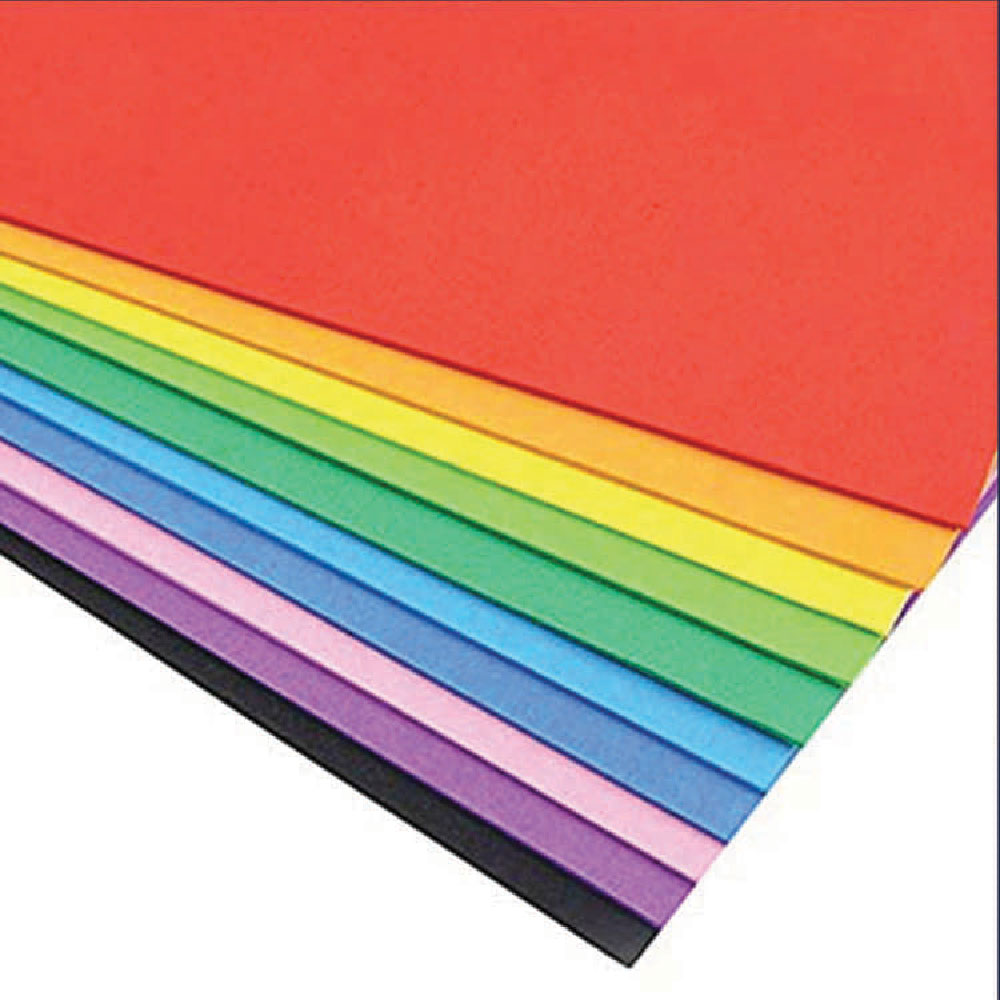
Cardboard
Its made from paper pulp. its strong, lightweight and versatile. its also recycleable.