
Description
Premium Finishes
Coating & Lamination
Special Capabilities
Material
Description
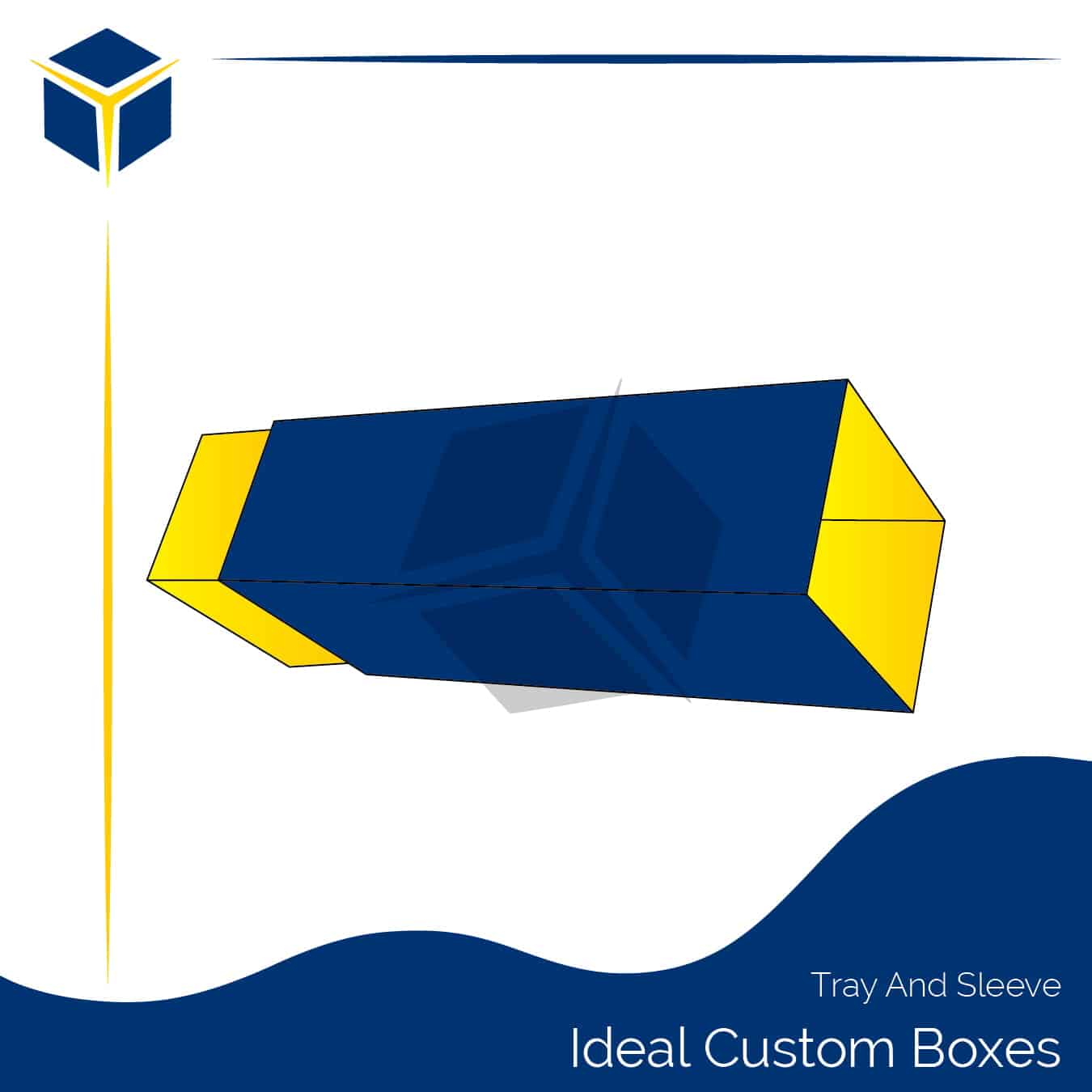
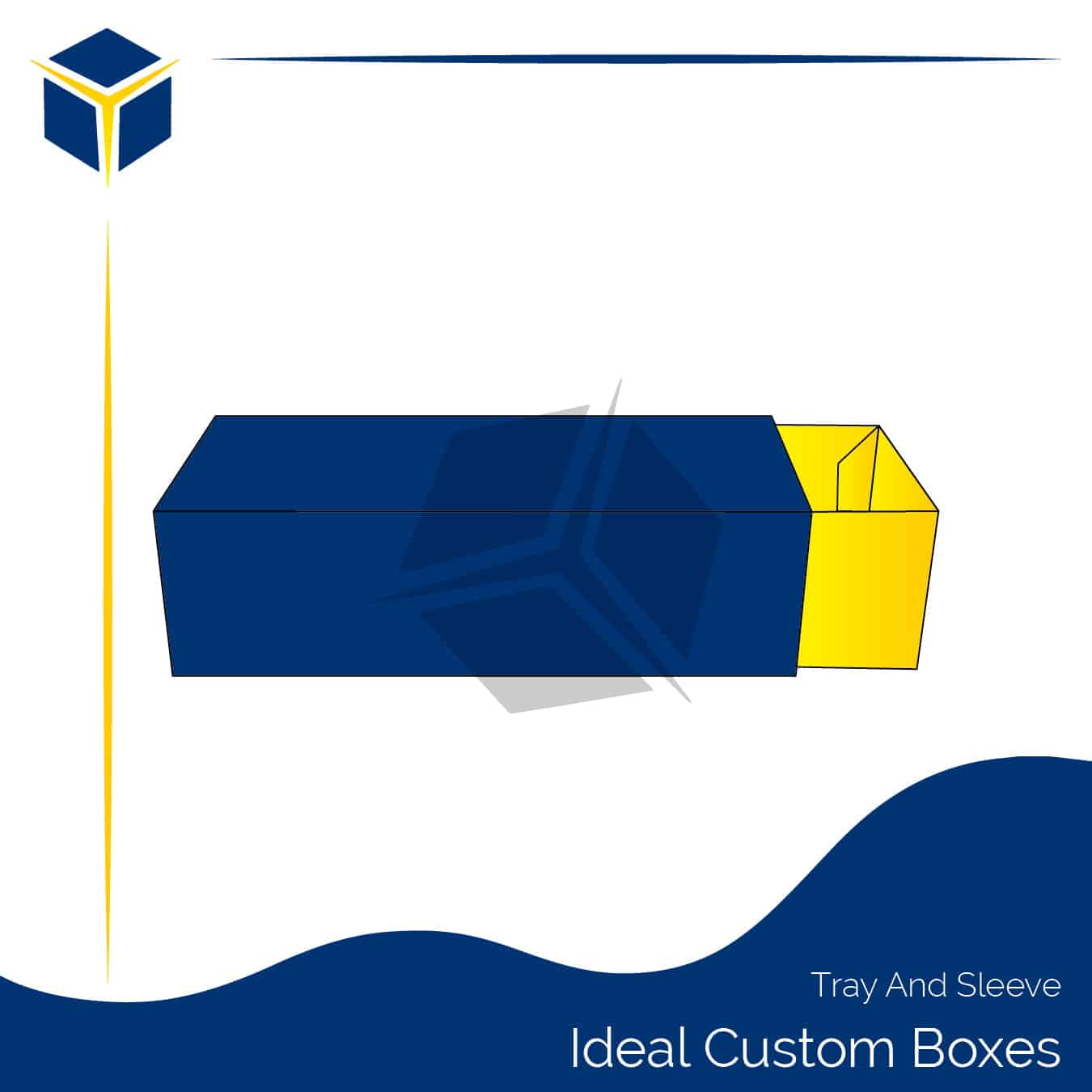
Tray and sleeve boxes use a two-part structure made up of an inner tray and an outer sleeve. The tray slides into and out of the sleeve, creating a controlled reveal when the package is opened. This style can be considered when the opening experience and separate tray-and-sleeve construction are important parts of the packaging design.
Custom tray and sleeve boxes can be developed around your product dimensions, artwork, presentation requirements, and packing needs. Because the right construction depends on the product and intended use, dimensions and other project details should be reviewed before production. Ideal Custom Boxes offers Low MOQs for custom orders, with standard and express turnaround options available.
How the Tray and Sleeve Structure Works
The defining feature of this packaging style is the interaction between two separate components:
- Inner tray: Holds the packaged item or internal arrangement.
- Outer sleeve: Fits around the tray and forms the exterior part of the package.
- Sliding opening: The tray moves in and out of the sleeve to provide access to the contents.
- Two-part presentation: The product is revealed as the inner tray is drawn out from the surrounding sleeve.
The exact fit, construction, assembly method, and internal arrangement should be determined according to the dimensions and requirements of the individual packaging project.
When Should You Choose a Tray and Sleeve Box?
A tray and sleeve structure may be worth considering when you want the packaging to open with a sliding reveal rather than a removable top lid. This style can work well for packaging projects where presentation, product access, and the interaction between the inner tray and outer sleeve are important design considerations. However, product suitability should be evaluated according to dimensions, weight, required internal support, packing process, storage conditions, and shipping requirements.
If your product needs additional internal organization or a particular fit, provide those requirements when requesting a quote so the appropriate structure can be reviewed. If a sliding tray structure does not match your packaging requirements, explore our other custom packaging styles to compare alternative structures.
Structural Advantages of Tray and Sleeve Packaging
1. Sliding Product Reveal
Instead of removing a separate lid, the user accesses the contents by sliding the tray from the outer sleeve. This creates a distinct opening experience that differentiates the style from lift-off two-piece boxes.
2. Separate Interior and Exterior Components
The tray and sleeve provide two separate structural areas that can be considered when planning the packaging layout and artwork.
3. Custom Project Planning
The dimensions and overall configuration can be planned around the requirements of the packaging project rather than relying on a fixed stock format.
4. Presentation-Focused Opening
Because the tray is gradually revealed as it slides from the sleeve, the structure can support packaging designs where the opening sequence is part of the intended presentation.
Limitations and Considerations
Tray and sleeve boxes are not automatically the right structure for every product. The sliding interaction depends on the relationship between the inner tray and outer sleeve, so dimensions and fit should be planned carefully. Products that require particular levels of support, retention, protection, or internal organization may also require additional structural consideration.
Do not select this style based on appearance alone. Product dimensions, weight, packing method, handling requirements, desired opening experience, and shipping conditions should all be considered before the final structure is approved.
Custom Sizes and Fit Considerations
Tray and sleeve packaging should be sized around the actual product and the way it will sit inside the inner tray. When requesting a quote, provide accurate product or required box dimensions and explain whether the packaging needs additional internal organization. These details help determine the appropriate relationship between the tray and outer sleeve.
Avoid relying only on approximate measurements when fit is important. The final structure should be reviewed against the requirements of the specific project.
Materials, Printing and Finishing
Tray and sleeve boxes can be customized with Kraft, E-flute corrugated, Bux Board, and Cardstock, depending on the dimensions, structure, artwork, and requirements of the project. The final material should be confirmed during quotation to make sure it is appropriate for the selected tray and sleeve configuration.
Printing options include CMYK, PMS (Pantone Matching System), spot colors, or plain/unprinted packaging. Available finishing options include gloss or matte lamination, Gloss AQ, Gloss UV, Matte UV, Spot UV, embossing, and foiling. Because printing and finishing compatibility can vary by material, box dimensions, artwork, and production requirements, the final combination should be confirmed before production.
Inserts, Dividers and Windows
Inserts or dividers may be added when a product needs a more organized internal arrangement or when multiple components need separate positions inside the packaging. The appropriate insert or divider configuration depends on the product dimensions, arrangement, packed weight, and the final tray structure, so these details should be included with the quote request.
Window patching is also available as a customization option. The size and position of a window should be planned around the final structure, artwork, folds, and available panel space. Insert, divider, and window compatibility should be confirmed for the exact tray and sleeve design before production.
Artwork and Dieline Requirements
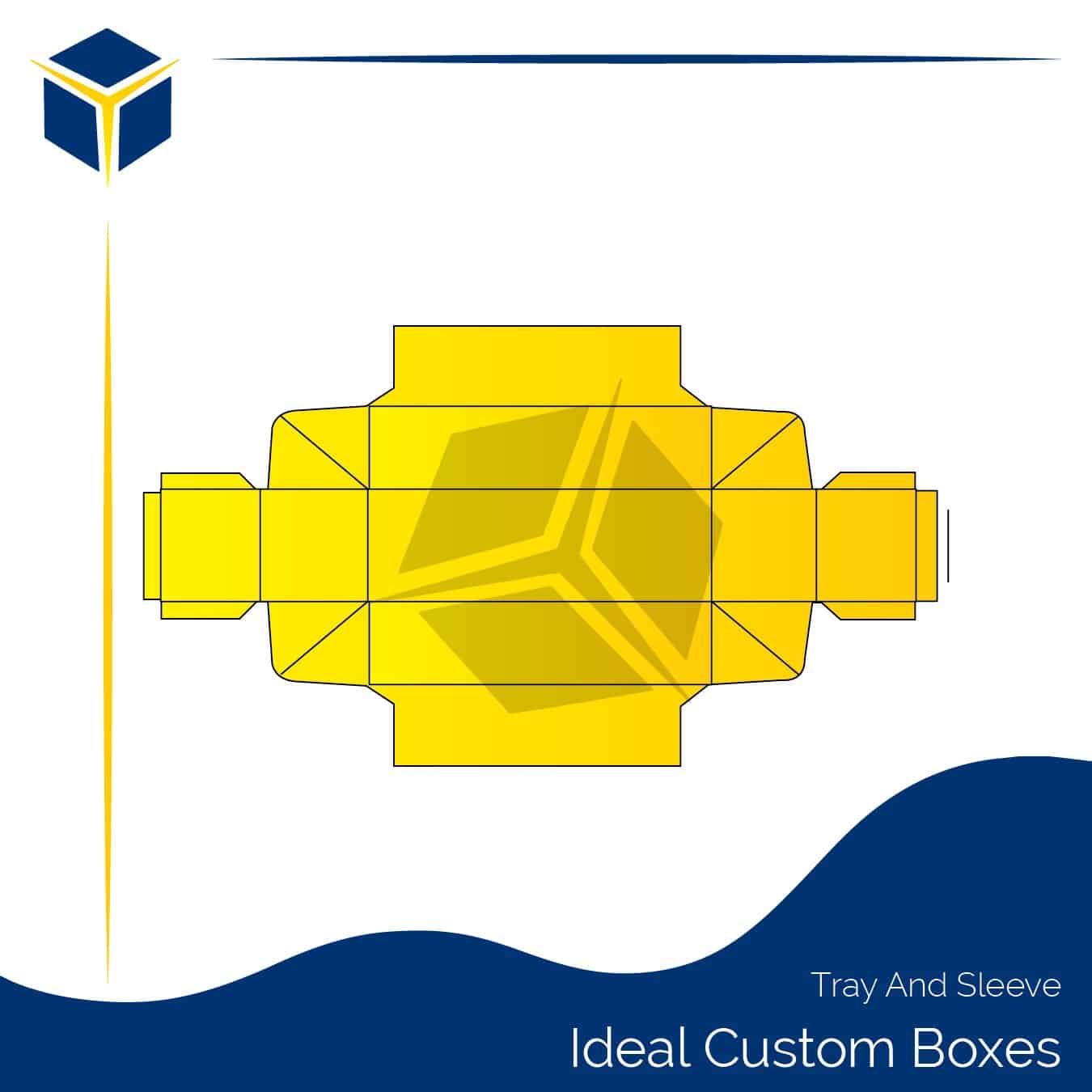
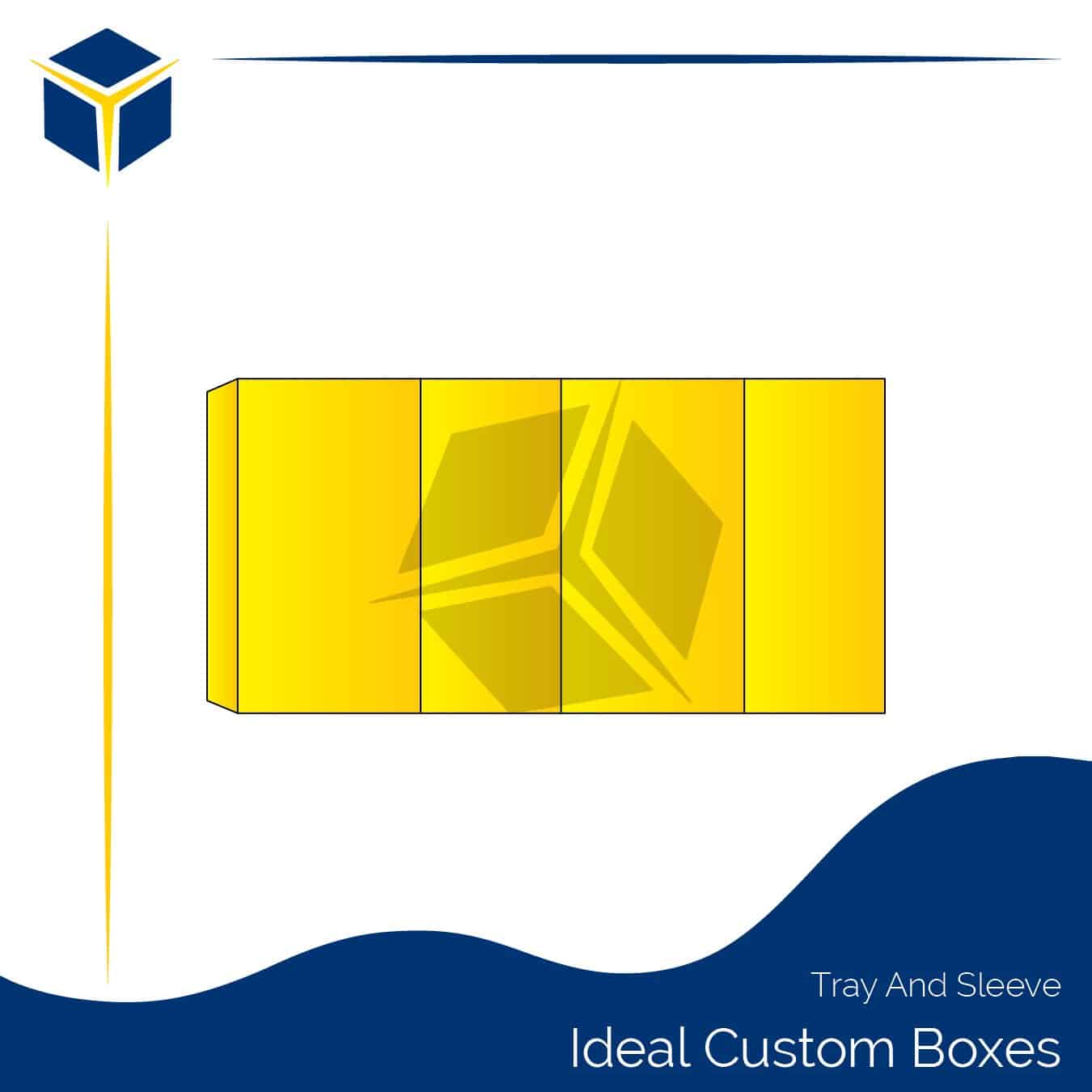
Final artwork should be prepared on the approved production dieline for your tray and sleeve box. Provide vector logo files when available, along with linked images, brand colors, fonts or outlined text, panel assignments, barcode or QR-code files, inside-printing requirements, and the intended window position when applicable.
Keep logos, small text, barcodes, and required information within the designated safe area, and extend background artwork through the bleed area specified on the approved template. Because the dieline depends on the final box dimensions and structure, avoid preparing production artwork on an unconfirmed template.
Accepted artwork formats and final technical requirements will be confirmed during the quotation and proofing process.
Tray and Sleeve Boxes vs Two-Piece Boxes
Tray and sleeve boxes and two-piece boxes both use separate packaging components, but they open differently.
- A tray and sleeve box uses an inner tray that slides into and out of an outer sleeve. This creates a sliding reveal when the package is opened.
- A two-piece box uses a separate base and removable lid. The contents are accessed by lifting the lid away from the base rather than sliding an inner component from an outer sleeve.
Neither structure is universally better. The appropriate choice depends on product dimensions, presentation goals, packing process, desired opening experience, internal support requirements, and shipping considerations. For another packaging format built around a sliding tray presentation, you can also compare drawer-style rigid boxes.
What to Include in Your Quote Request
Providing complete project information helps make the quote process more useful.
Include:
- Required box or product dimensions
- Preferred measurement unit
- Required quantity
- Artwork or design files, if available
- Desired appearance and branding requirements
- Any required inserts, dividers, windows, or other structural features
- Required turnaround
- Any special packing, presentation, storage, or shipping considerations
Ideal Custom Boxes offers Low MOQs for custom packaging projects.
- Standard turnaround is 12 to 14 business days.
- Express turnaround is 6 to 8 business days.
Exact specifications should be confirmed as part of the quote and project-review process. For current U.S. delivery coverage, shipping eligibility, and how shipping charges are confirmed, review our Shipping Policy.
Premium Finishes
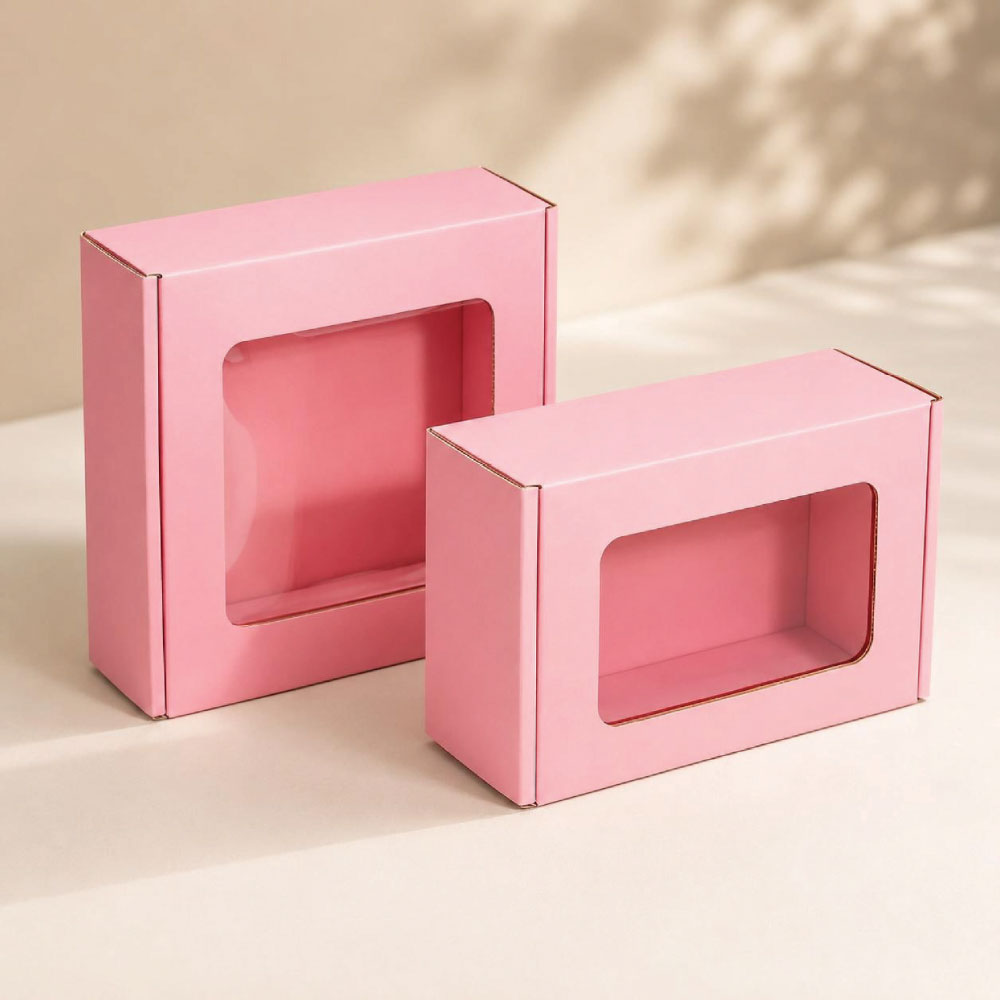
Window Patching
Special technique with a transparent plastic film covering the cut-out.
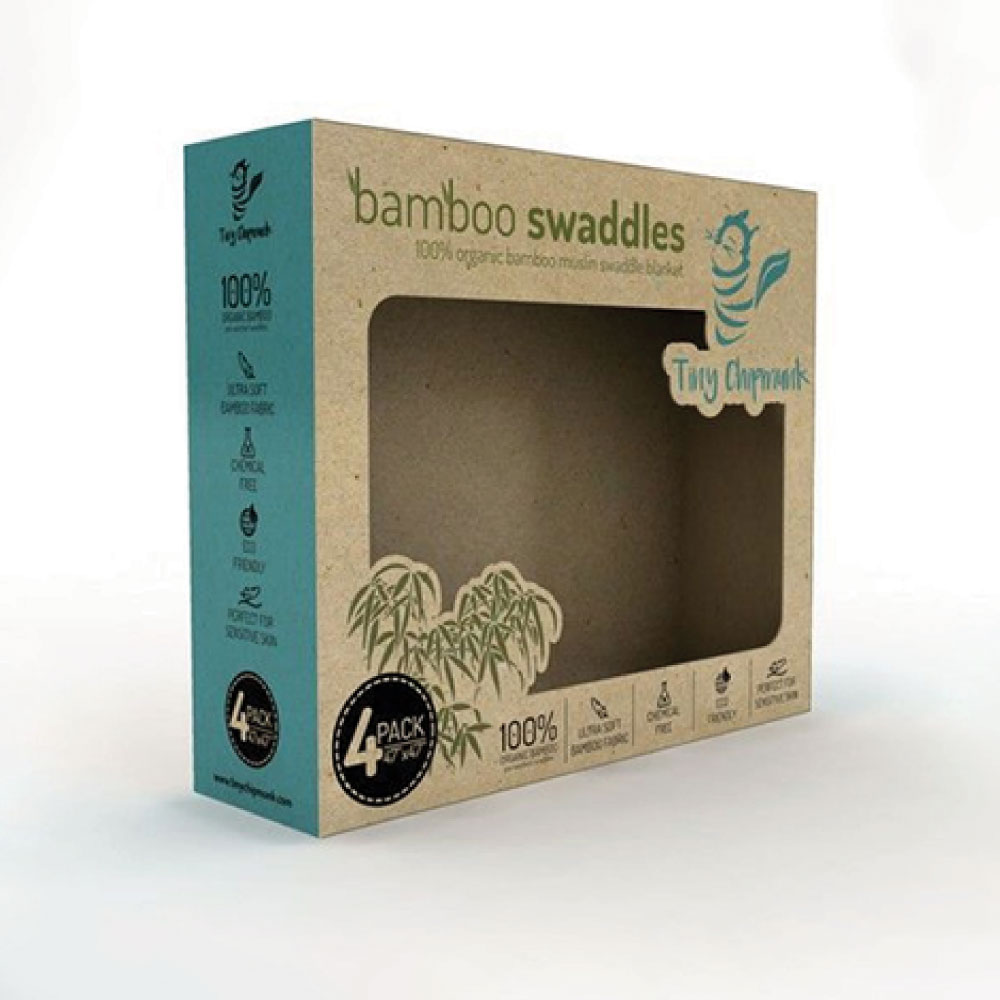
Window Die-cut
Special process where a cut-out is created on the packaging surface.
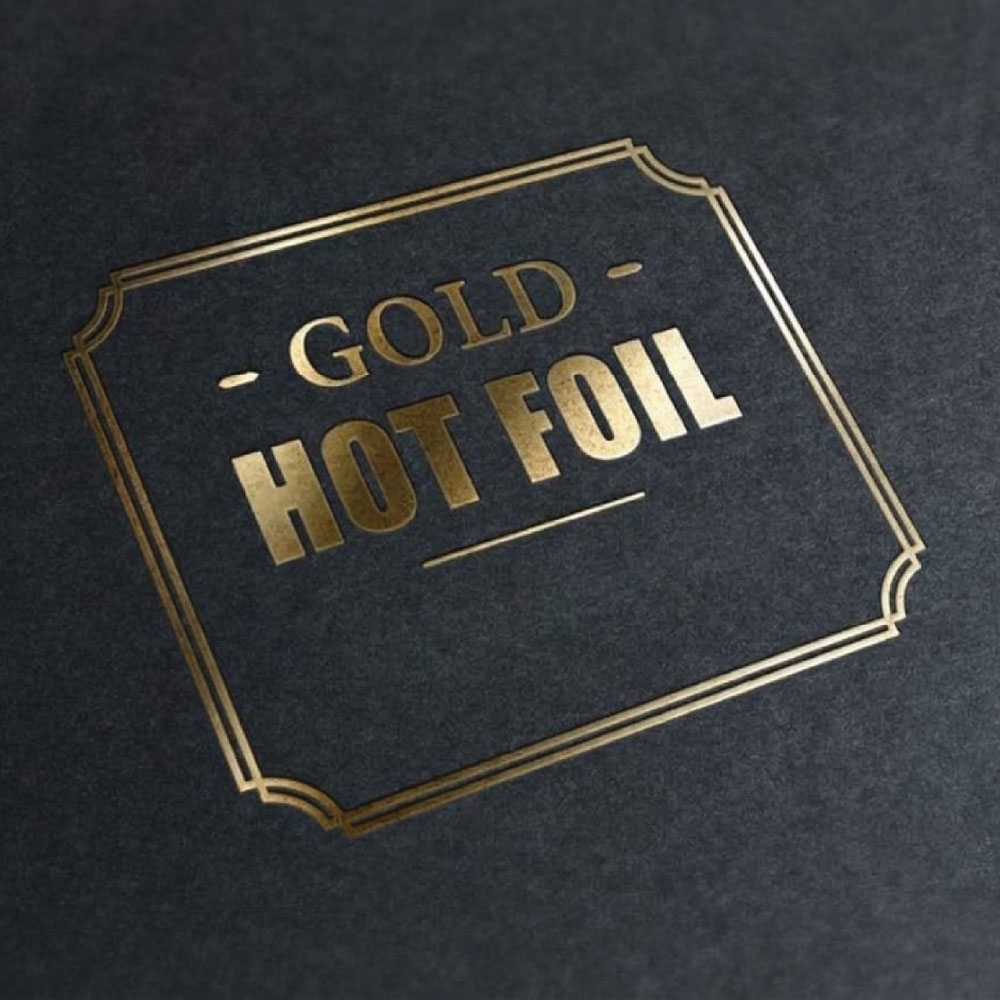
Stamping
Heat transferred foil onto paper surface.
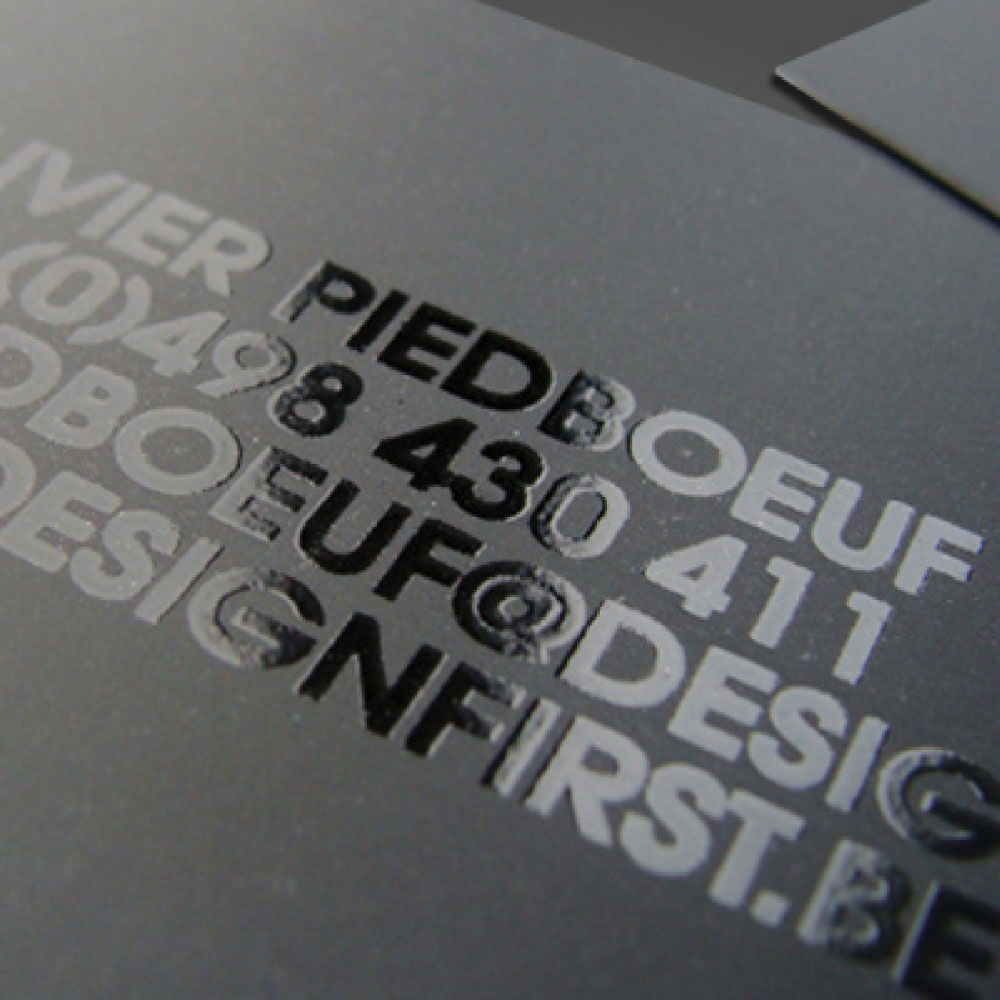
Spot UV
UV gloss coating cured on specific areas.
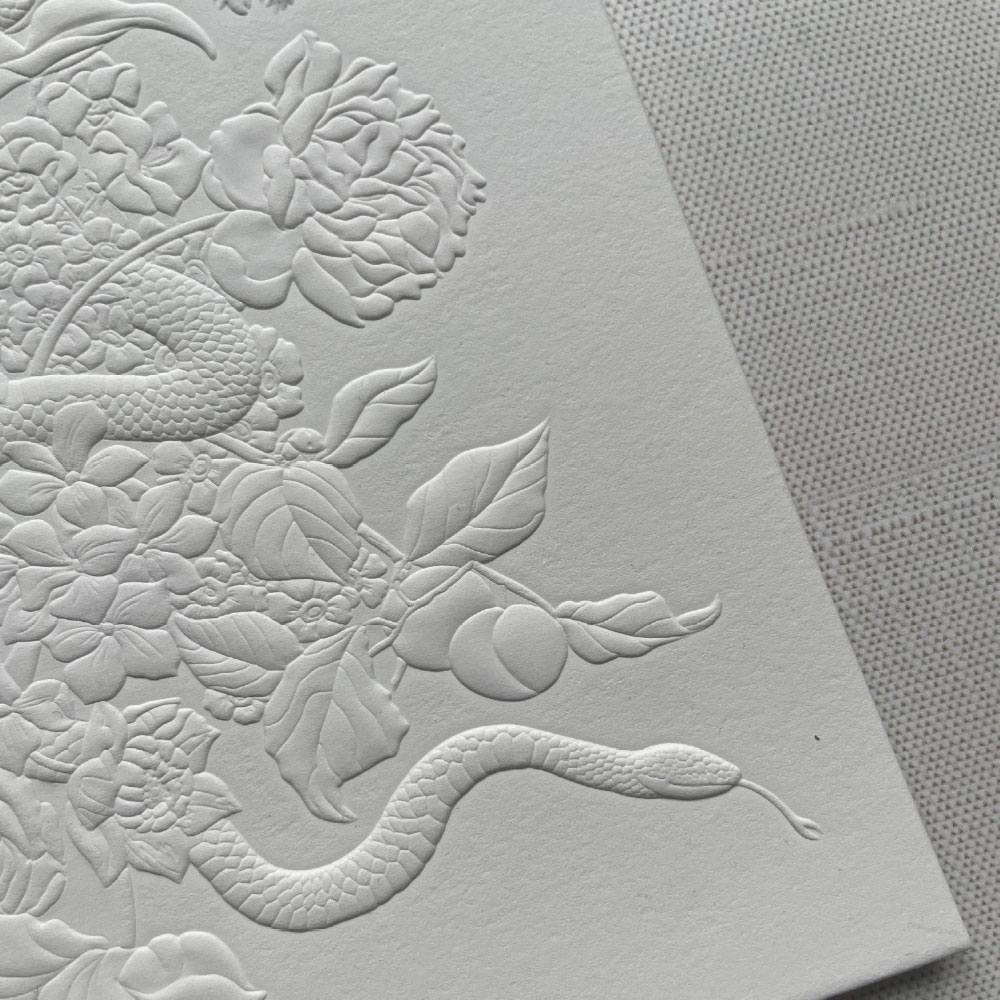
Emboss
Special process that creates a raised or recessed pattern on the surface.

Deboss
Special process that creates a raised or recessed pattern on the surface.
Coating & Lamination
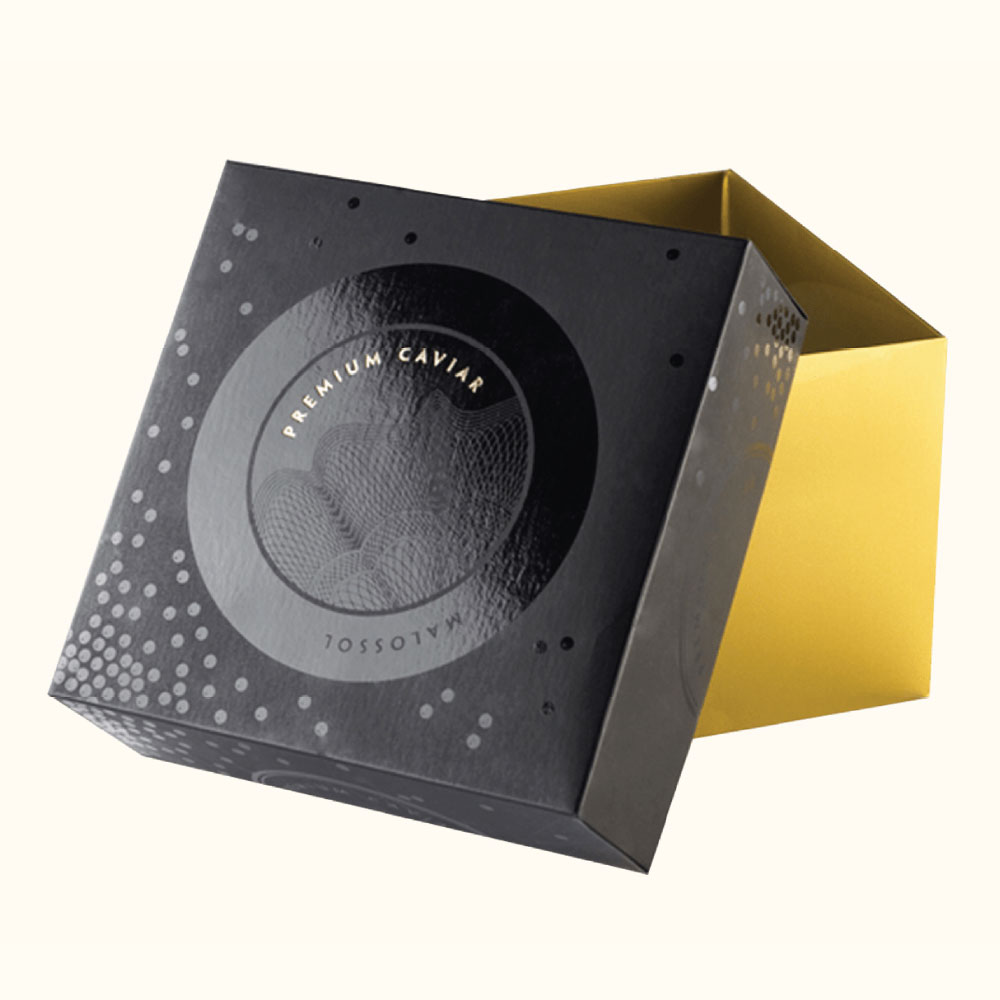
Varnish
Inexpensive option that coats and adds surface protection.
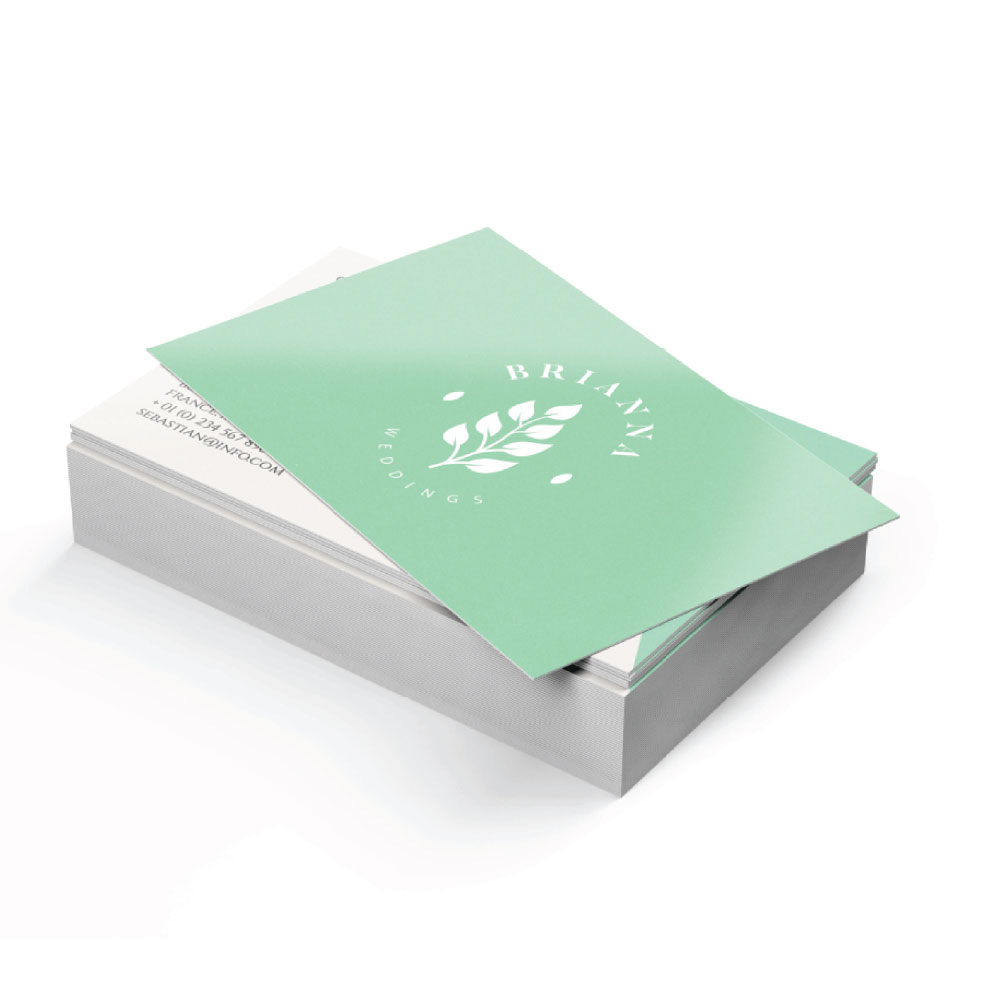
Soft Touch
Ink coating that produces smooth surface. Cheaper alternative to lamination.
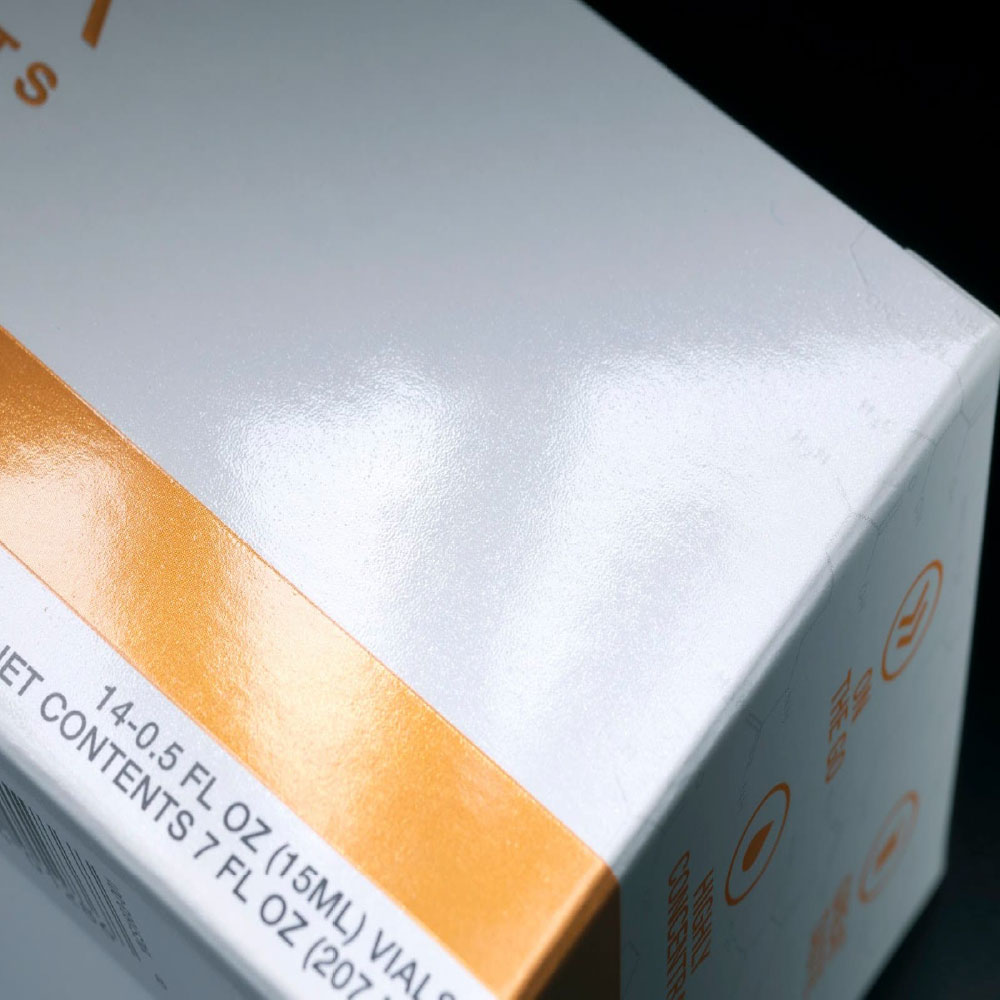
Pearlescent Coating
Give your surface extra decorative shimmer and shine.
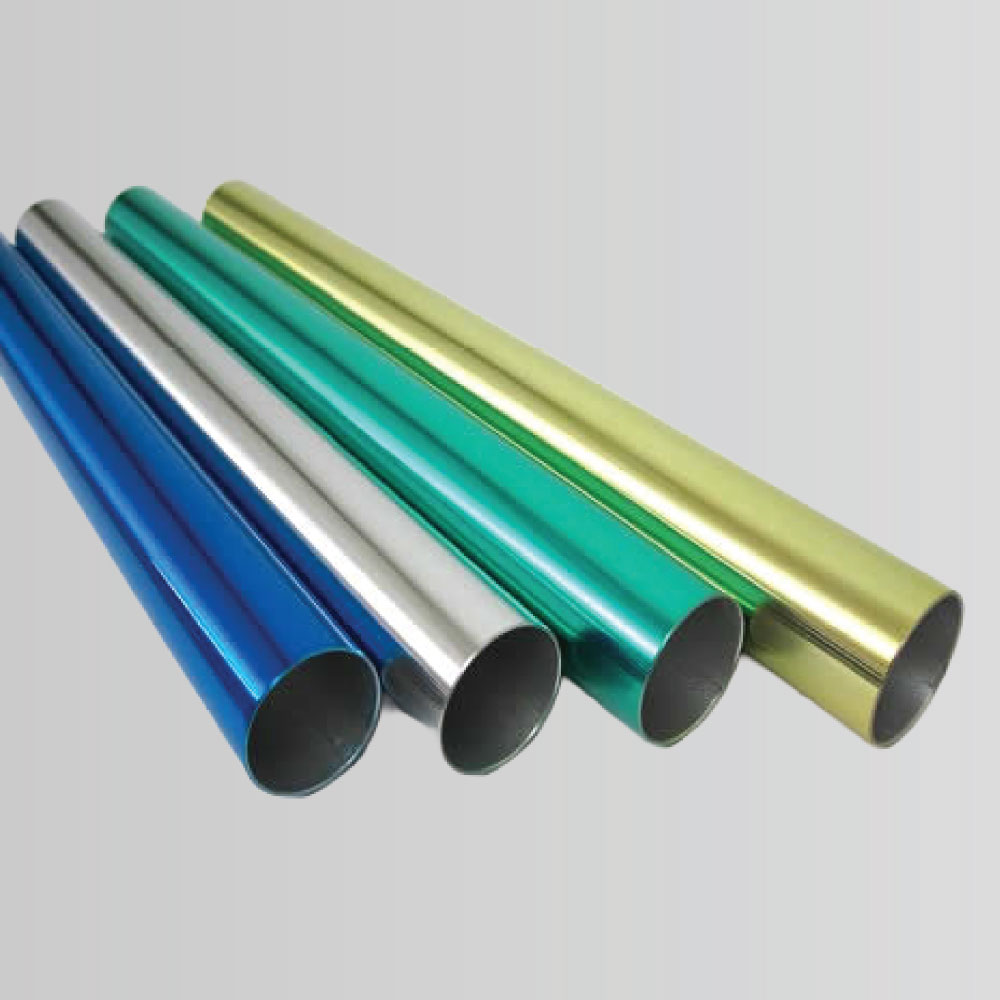
Metallic Coating
Add an extra metallic sheen to your box surface.
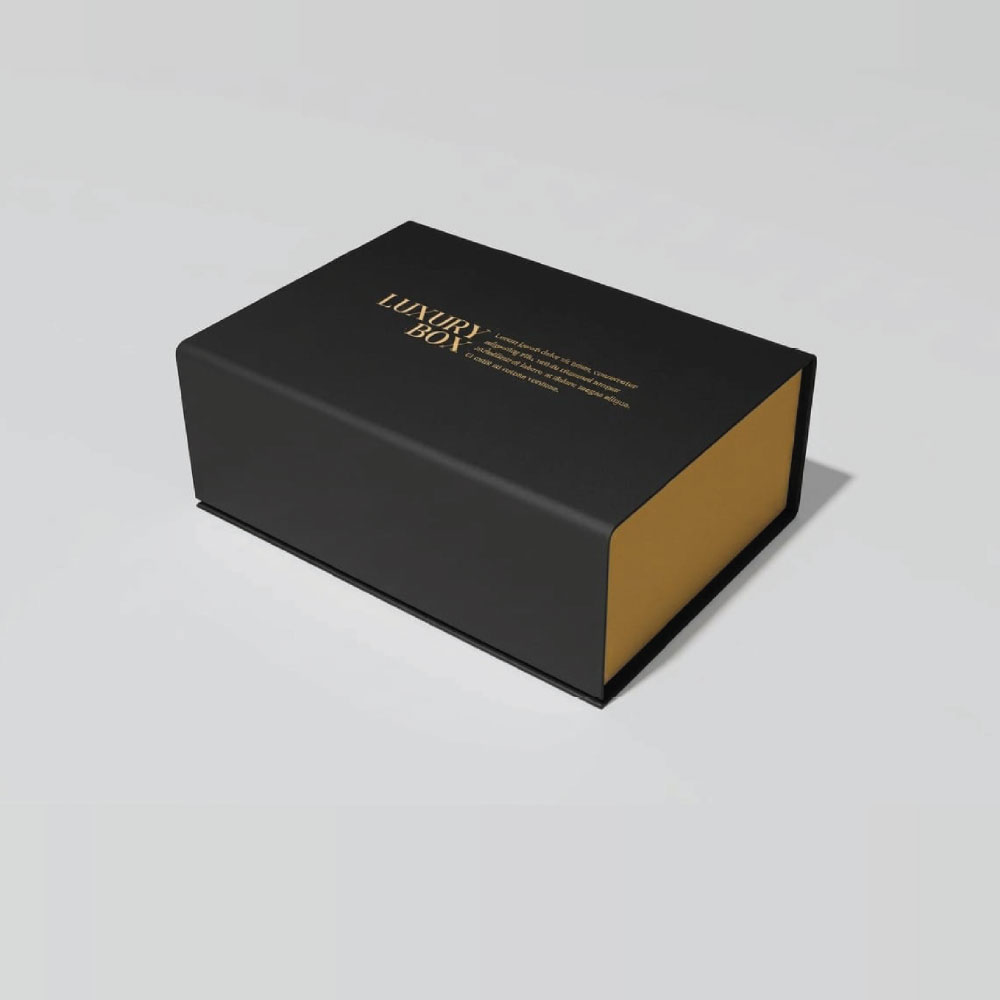
Matte
Special process that creates a raised or recessed pattern on the surface.
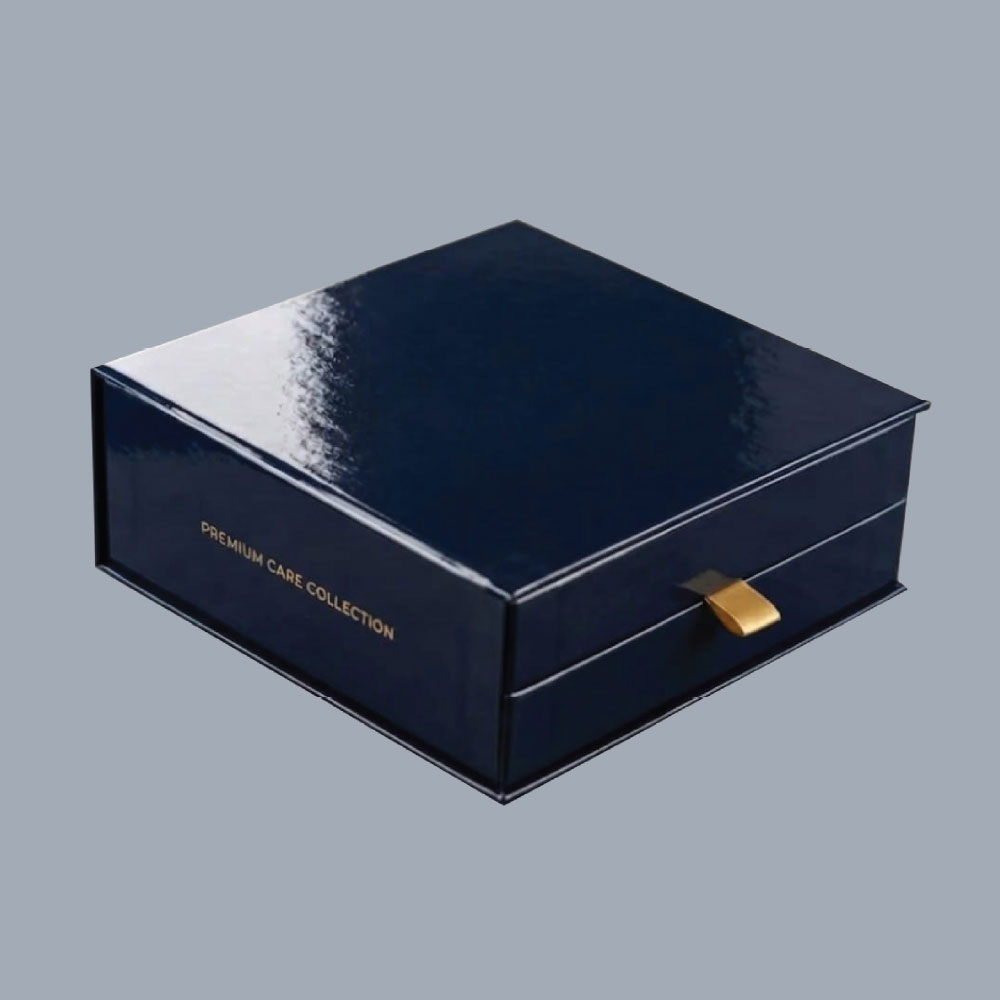
Gloss
Thin layer that gives the box a glossy surface.
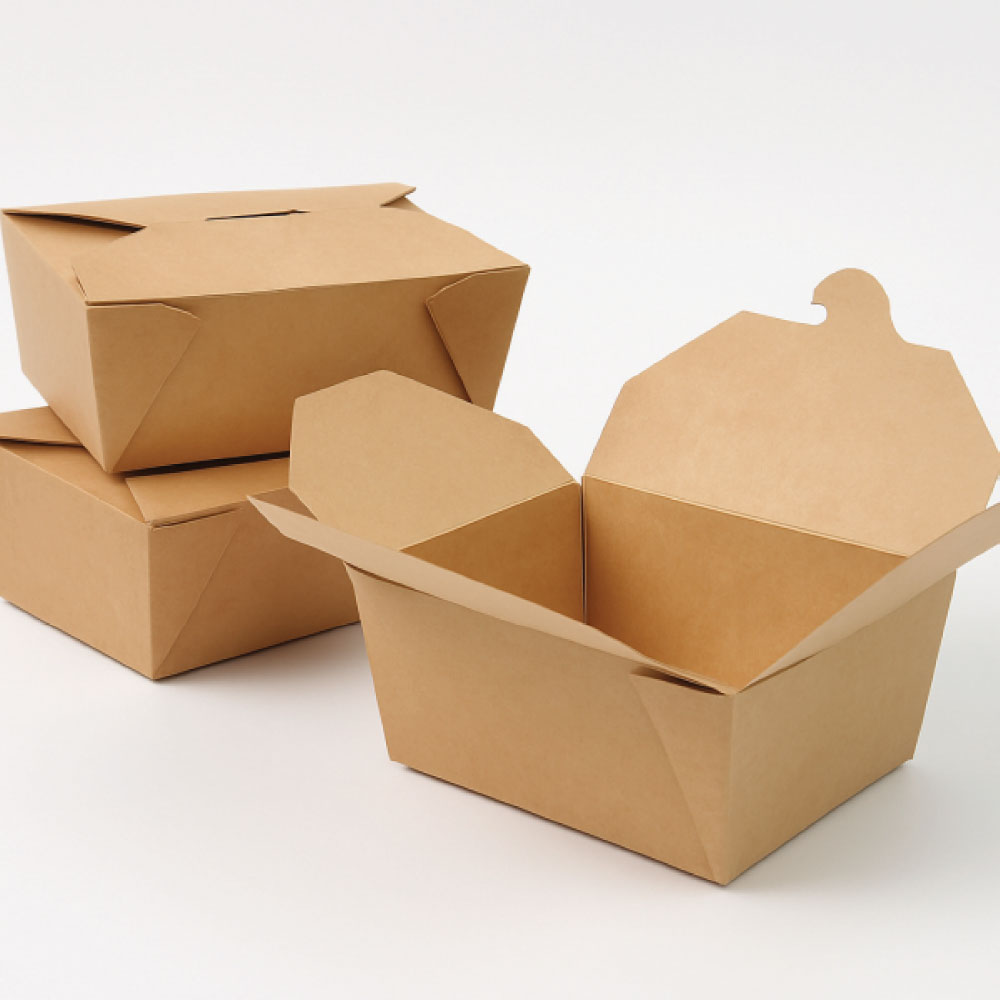
Food Coating
Inexpensive option that coats and adds surface protection.
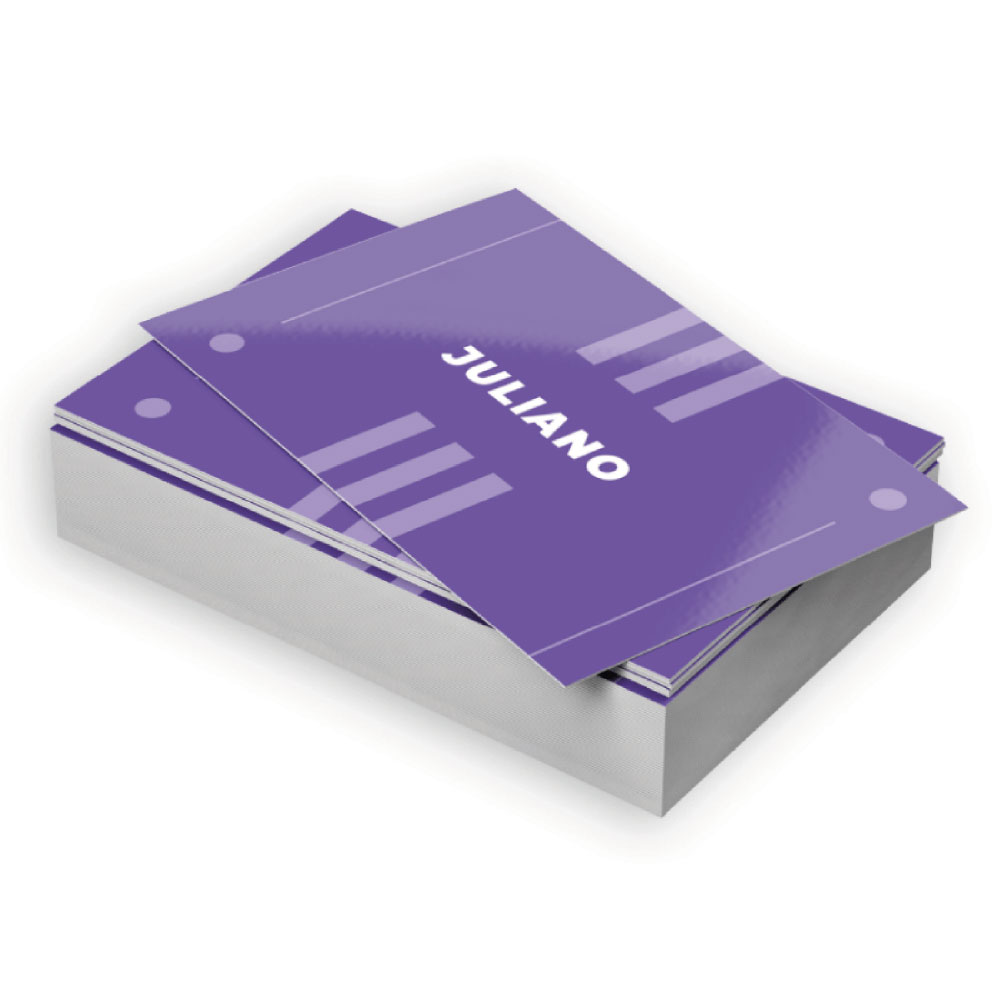
AQ Coating
Ink coating that produces smooth surface. Cheaper alternative to lamination.
Special Capabilities
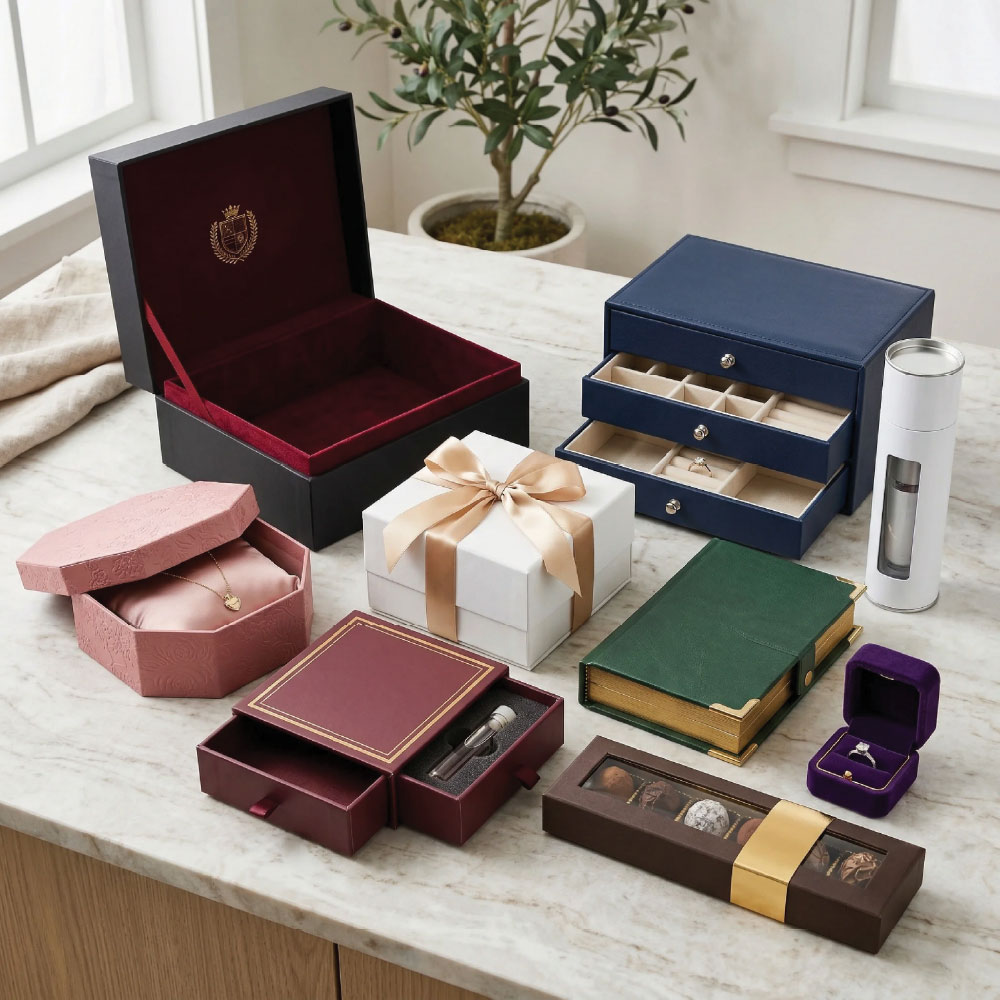
Unlimited Accessories
Meet your exact needs and preferences with easily personalized handles and buttons.
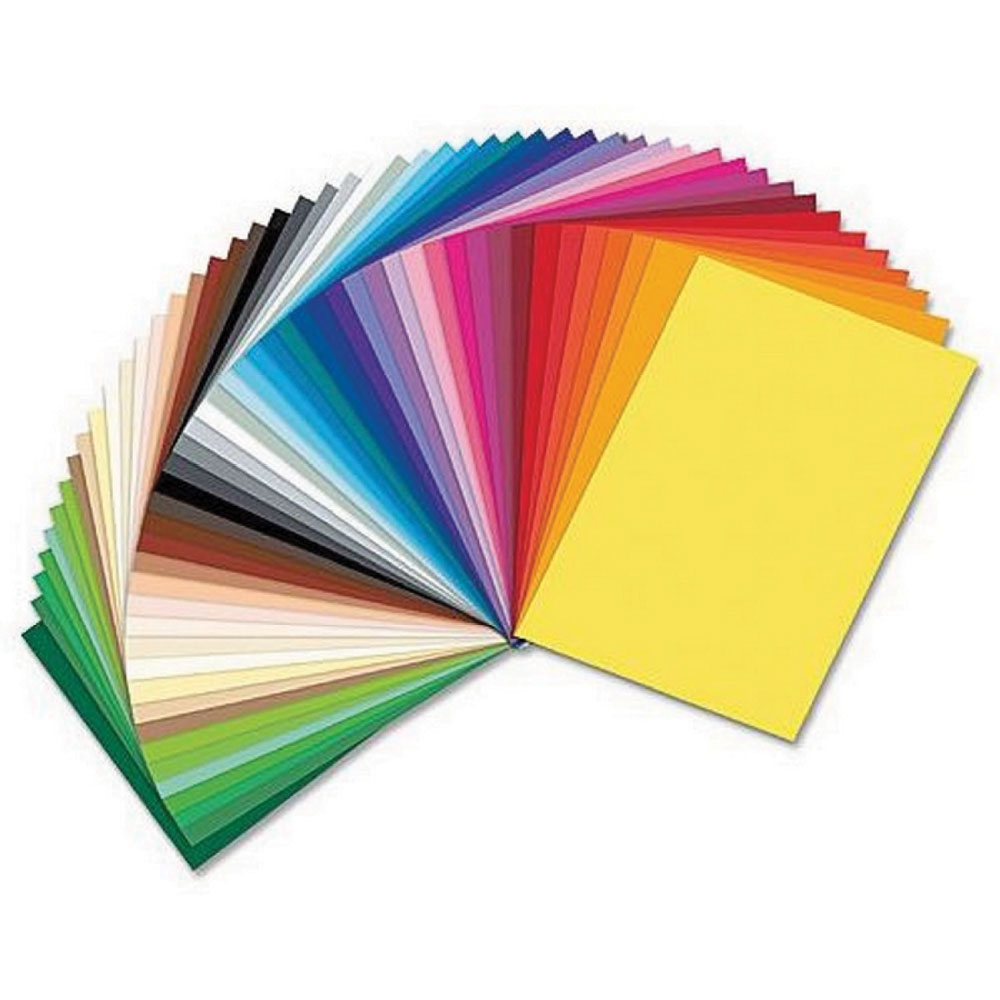
Diversified Papers
Unlimited selection of textured and colored paper.
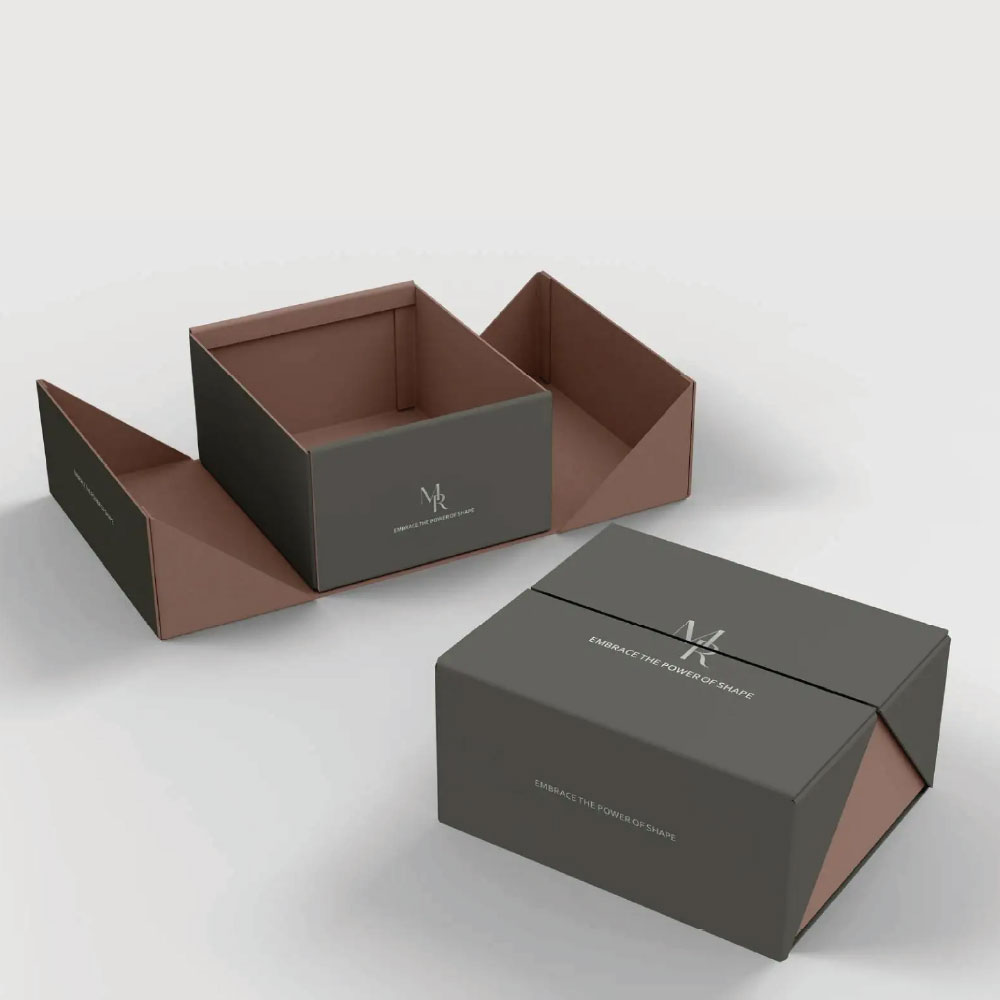
Custom Structure
Fully customized structures tailored to your specifications.

Custom Ribbons
Wide selection of custom luxurious ribbons for you to choose from.
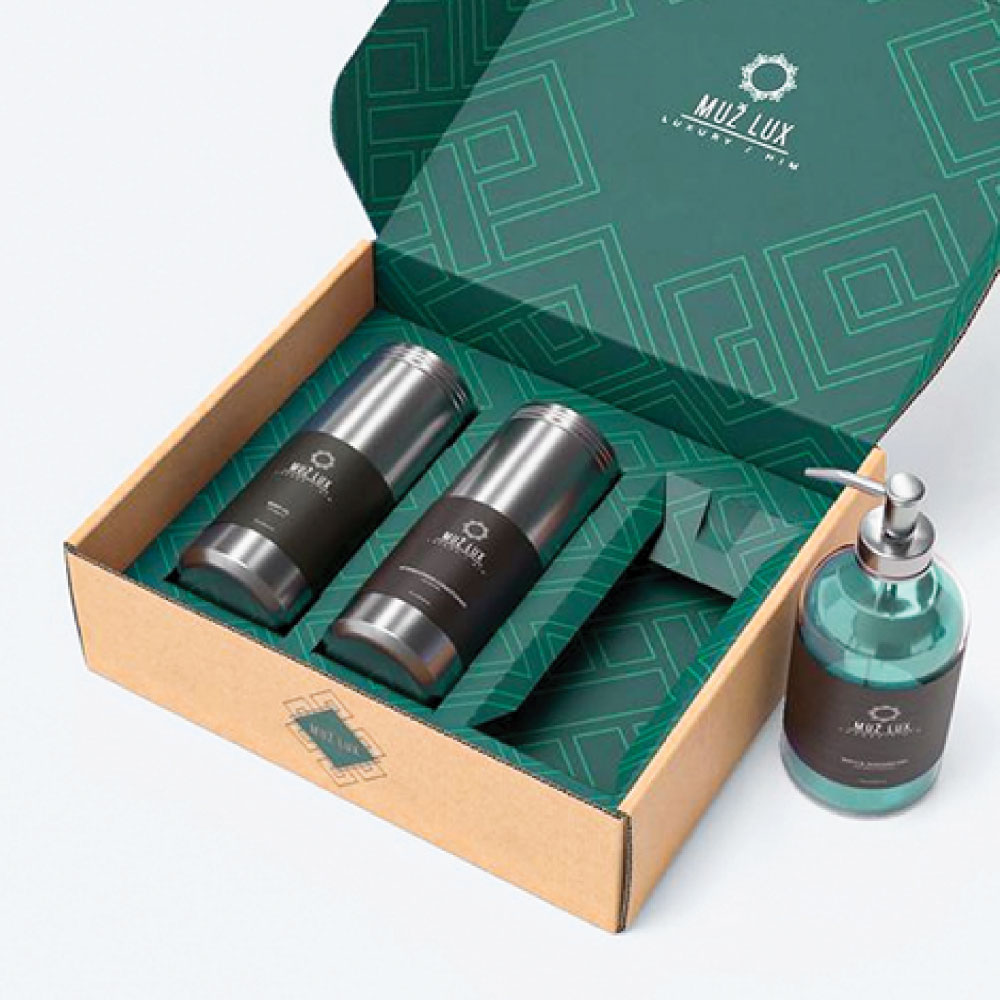
Custom Inserts
Versatile options for a variety of applications to keep products intact.
Material
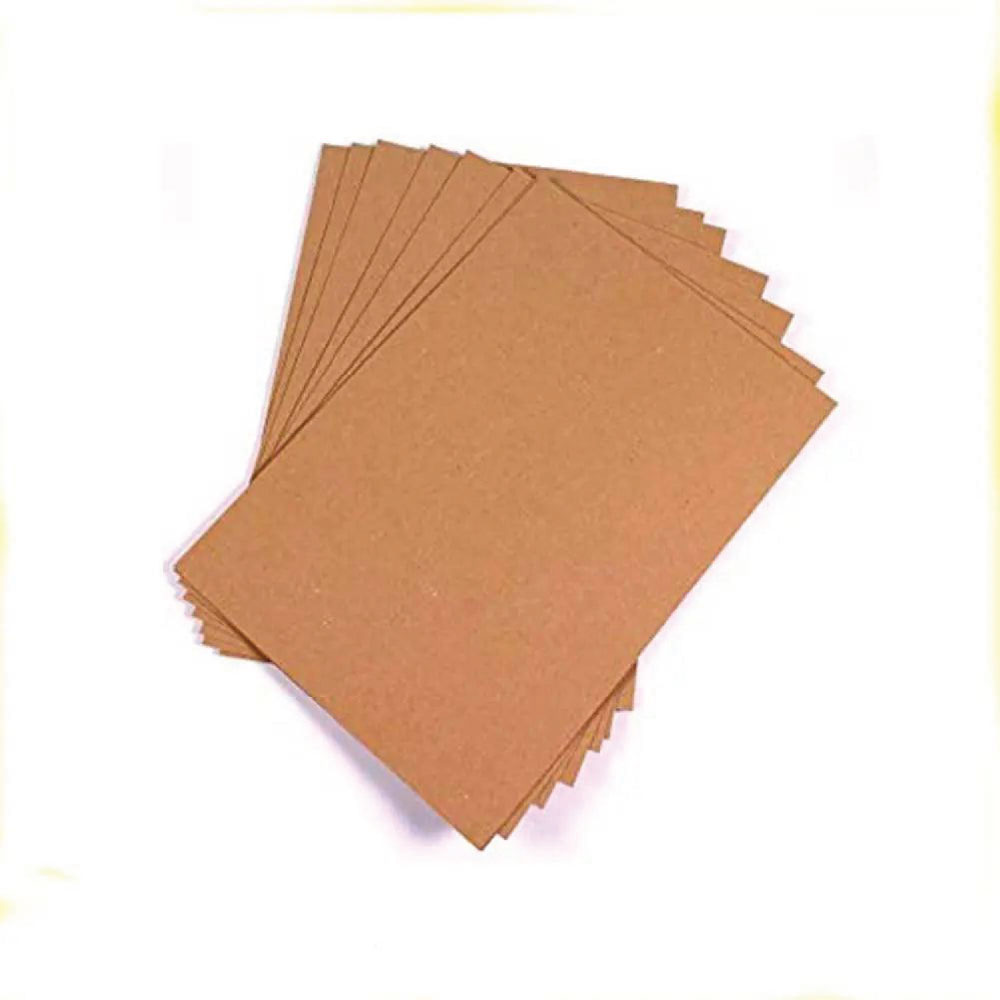
Kraft
Kraft is often used for packaging and ecommerce products because of its durability, elasticity, and environmental benefits.
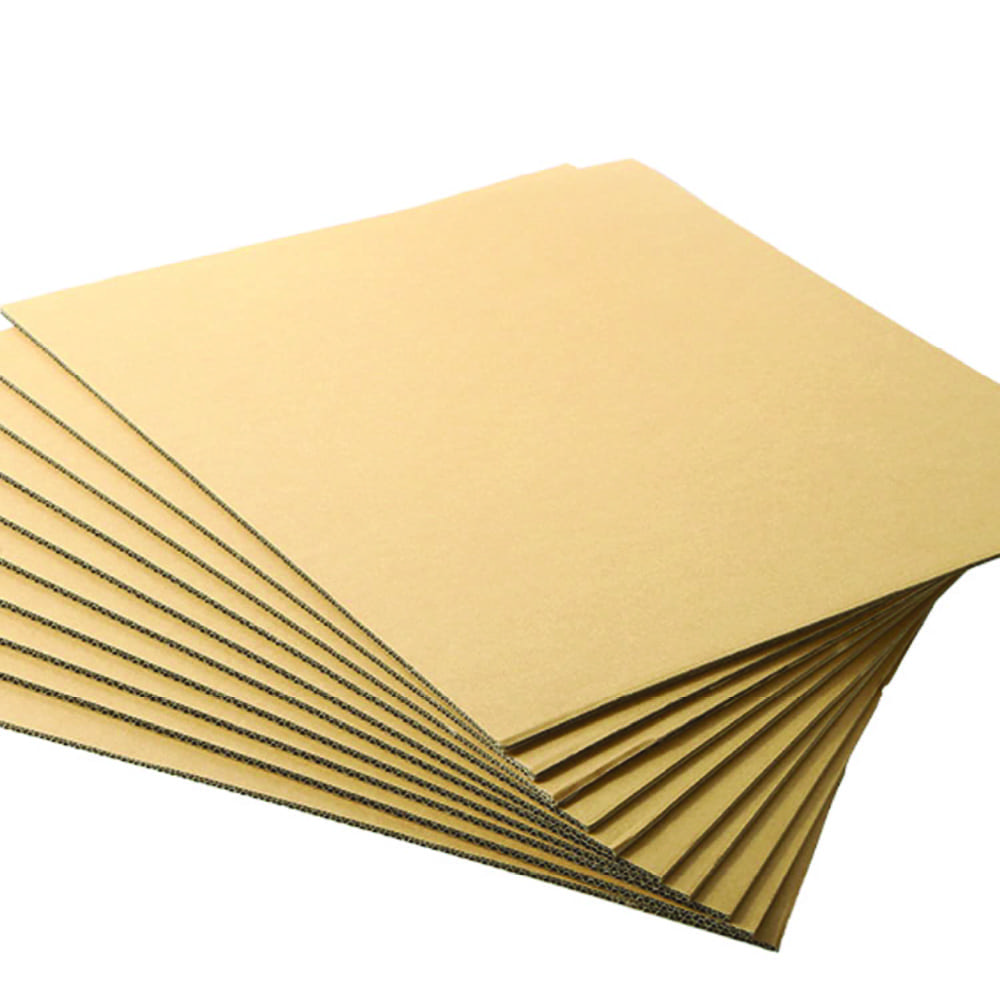
Corrugated
A sturdy packaging material made of three layers of kraft paper. its ideal for heavey or weighted products’ packaging.
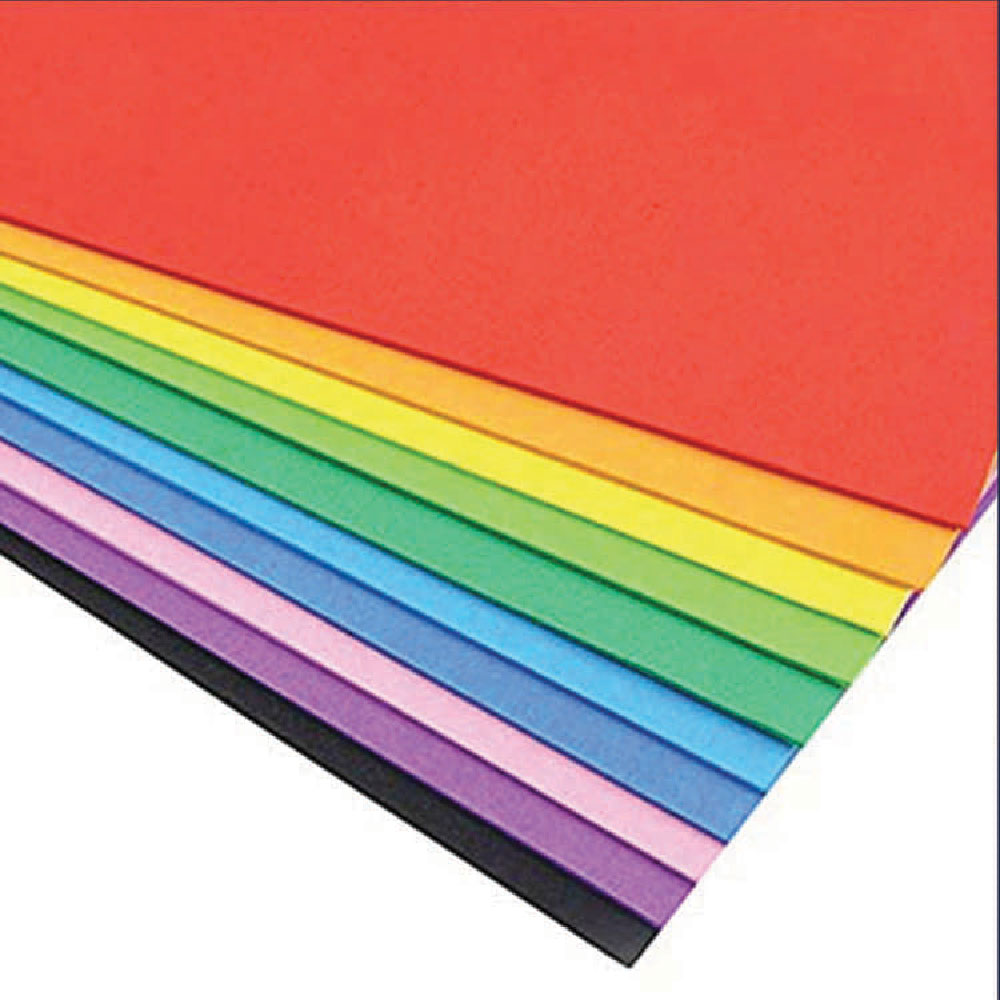
Cardboard
Its made from paper pulp. its strong, lightweight and versatile. its also recycleable.