Description
Product Specification
Material/Paper Stock Information
Printing Methods
Inks
Finishing Options
Description
Custom cardboard boxes are made-to-order paperboard or corrugated packages produced around a product’s dimensions, weight, presentation, and handling needs. Retail brands may use printed folding cartons or display boxes, while ecommerce and subscription businesses may need mailers or corrugated shipping cartons. Size, material, box style, printing, finish, window, insert, divider, and quantity can be selected during quotation. Because “cardboard” can describe several board constructions, the correct option depends on whether the box will sit on a shelf, hold a product kit, ship through a parcel network, or provide secondary protection. Submit the packed-product details and artwork to receive a suitable specification and quote.
What Custom Cardboard Boxes Are
Custom cardboard boxes are produced to match a specific product, packing process, and presentation goal. The term can include lightweight paperboard cartons for retail products, kraft-style boxes, printed mailers, display structures, and corrugated cartons for shipping.
The first decision is not the printed design. It is the packaging job. A lightweight skincare carton placed on a retail shelf needs a different board and structure from a subscription kit, a glass product set, or an ecommerce shipment. The quotation should therefore be based on product dimensions, packed weight, fragility, retail or delivery use, quantity, and the internal support required.
Who Uses Custom Cardboard Packaging?
Custom cardboard packaging is used by retail brands, ecommerce businesses, subscription companies, product manufacturers, gift suppliers, promotional-kit providers, apparel sellers, cosmetic brands, electronics sellers, and other businesses that need packaging made around a specific product.
For lightweight retail goods, the main priorities may be print quality, panel space, shelf presentation, and quick assembly. For ecommerce products, board strength, closure, cushioning, inserts, and external handling conditions become more important. Businesses packing several items in one box may also need dividers or a fitted insert to keep the arrangement organized.
Choosing the Right Cardboard Box Structure
Choose the structure according to where the box will be used and what it must hold.
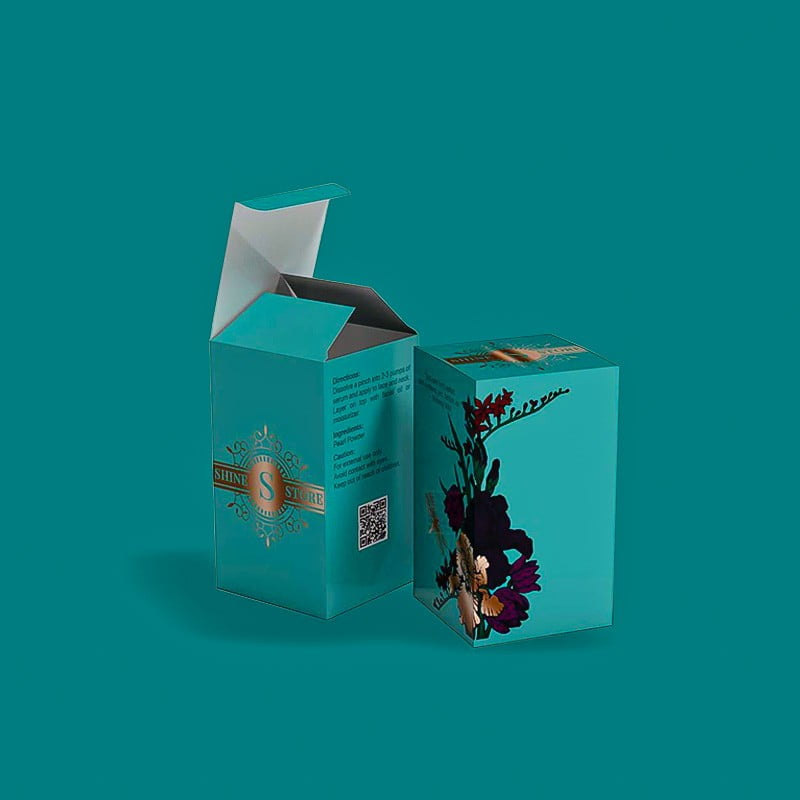
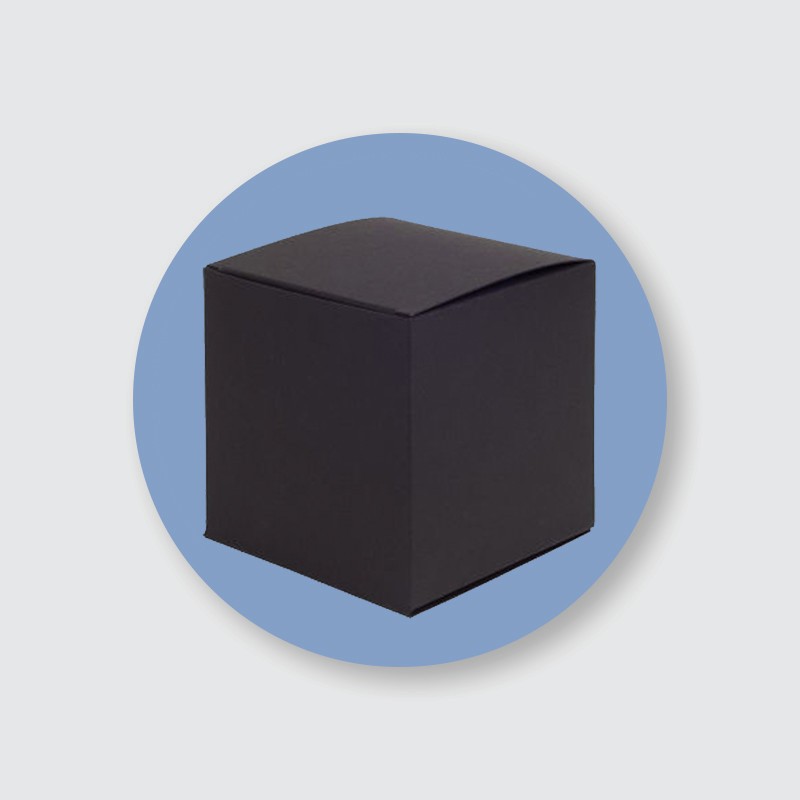
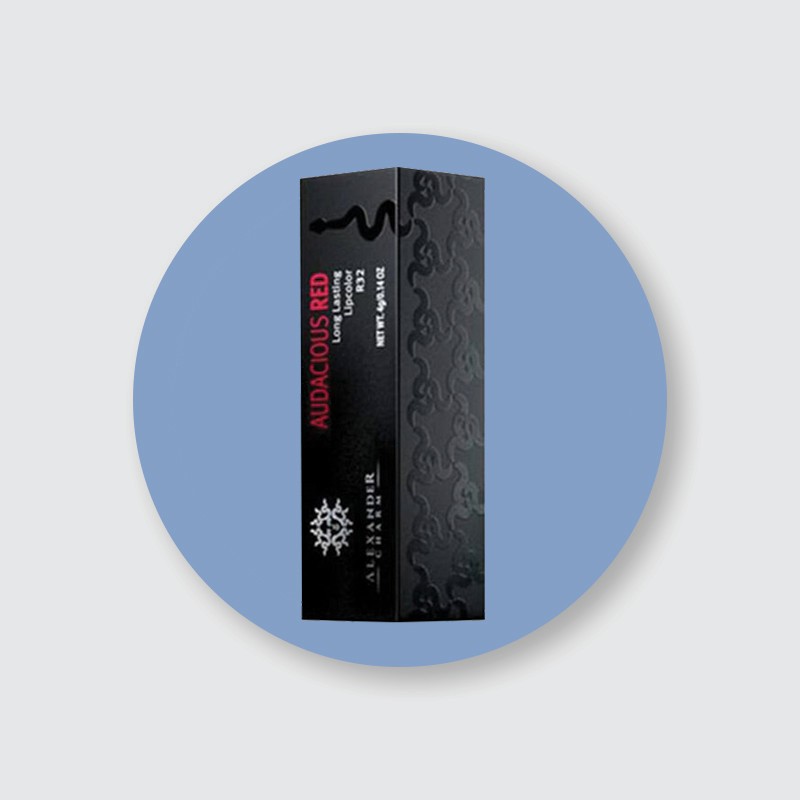
- Folding cartons are commonly considered for lightweight retail products such as cosmetics, accessories, small electronics, packaged gifts, and other shelf-ready goods. Straight tuck-end and reverse tuck-end formats provide printable front, back, and side panels and can usually be supplied flat for packing.
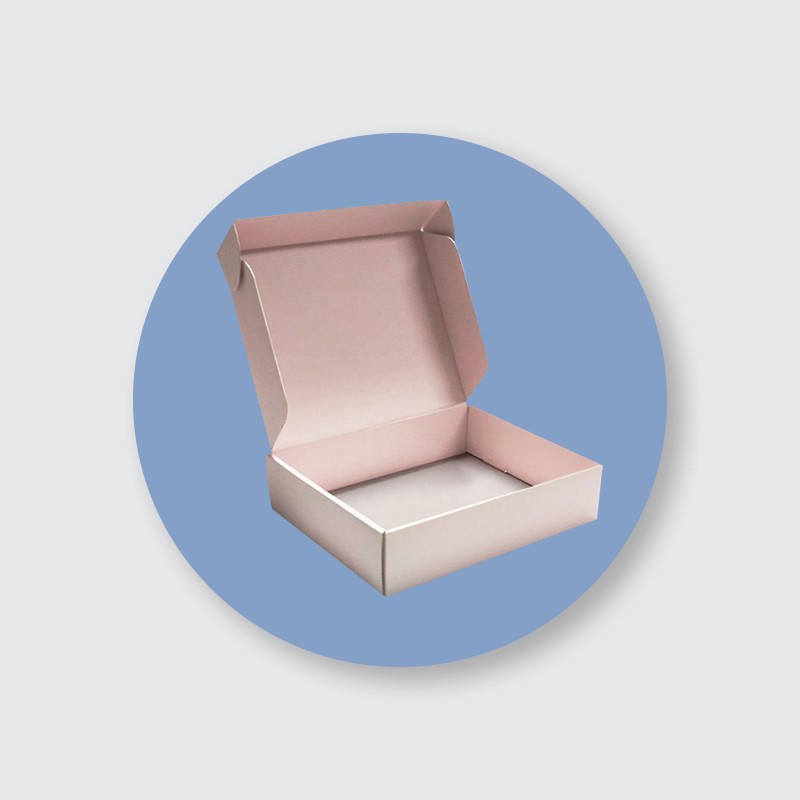
- Die-cut mailer boxes suit subscription products, promotional kits, apparel, accessories, and direct-to-customer orders where presentation and a self-locking opening are important.
- Regular slotted corrugated cartons are intended for shipping and business delivery. The top and bottom flaps normally require tape, and the board construction should be selected around packed weight, box dimensions, stacking, cushioning, and the expected distribution route.
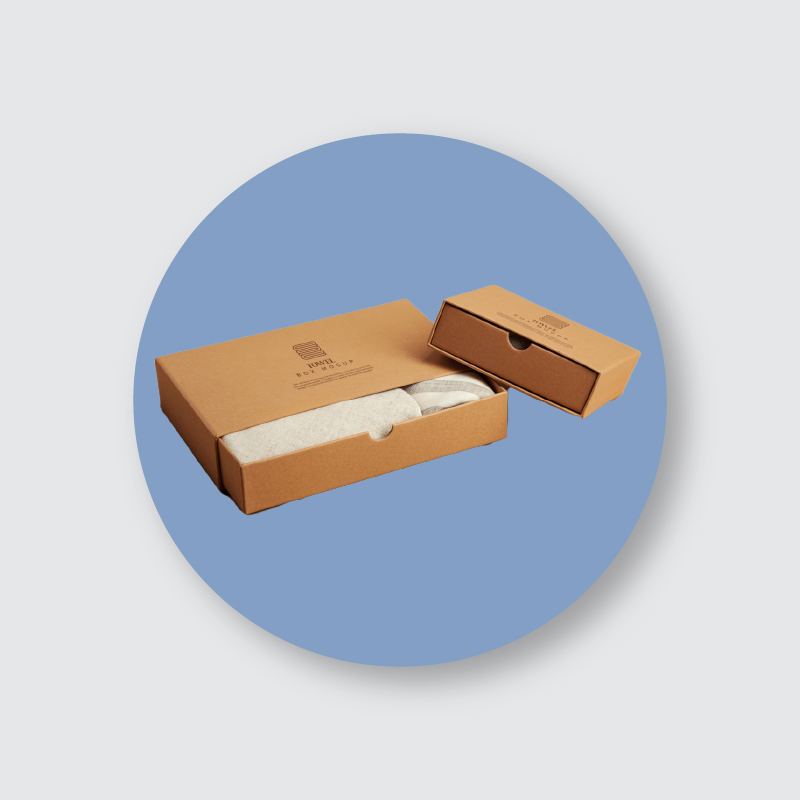
- Display boxes can support countertop or shelf presentation when products need to remain visible and accessible. Sleeve-and-tray structures may suit gift sets, small product collections, or items that benefit from a slide-open presentation.
The final style should be confirmed after reviewing the product dimensions, number of items per box, packing method, and handling conditions.
Materials for Custom Cardboard Boxes
- Paperboard or cardstock may suit lightweight folding cartons where smooth printing, clean folds, and retail presentation are the main requirements. The selected thickness should be reviewed according to the box dimensions, product weight, and structure.
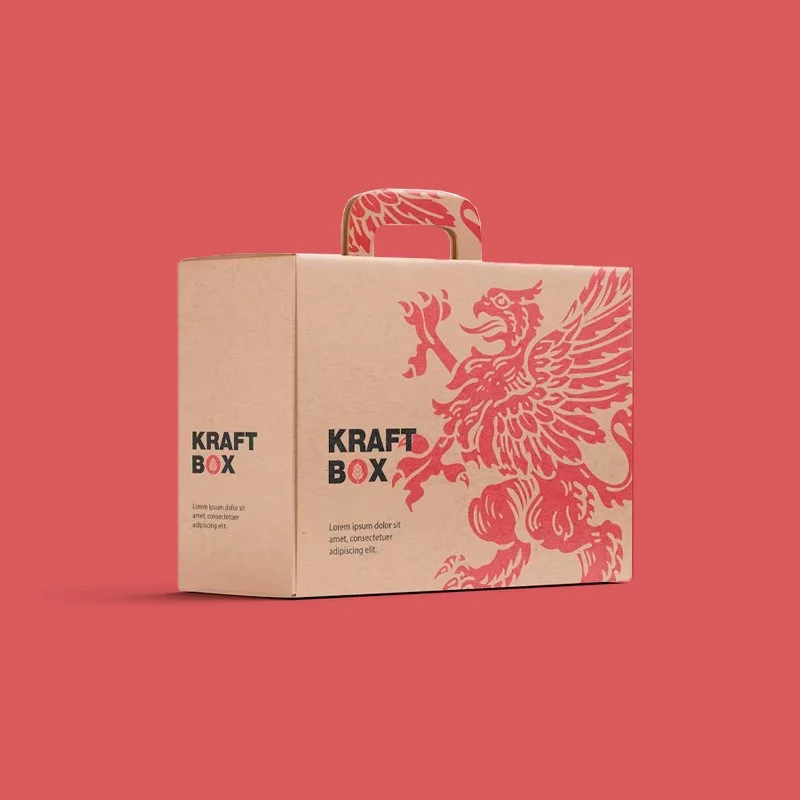
- Kraft paperboard provides a natural brown surface and can be used for folding cartons, sleeves, and some mailer formats. Printed colors may appear different on an uncoated brown surface than on white paperboard, so artwork should be reviewed with the selected stock in mind.
- Corrugated board contains a fluted layer between liner sheets and is generally more suitable for shipping, larger packages, heavier goods, or products that need more structural support. The required flute and board construction depend on the complete packed shipment rather than product weight alone.
- Recycled-content paperboard and other reduced-plastic options may also be available. Material availability, print compatibility, finish, and recovery limitations can be confirmed during quotation.
Inserts, Dividers, Windows, and Closures
An insert or divider may be useful when the box contains glass containers, electronics, multiple components, bottles, jars, or a product kit that should remain arranged during handling. The insert should be designed around the exact product dimensions, orientation, packed weight, and removal method.
- Corrugated or paperboard partitions can separate several items. A fitted insert can limit movement and create a more organized presentation. Additional cushioning may still be required for fragile products or demanding delivery routes.
- A die-cut window can show the product without opening the carton, which may support retail display. The window position must leave enough board around folds, corners, and locking areas. Window film, adhesive, lamination, and other combined materials can also affect recycling options.
- Handles, locking tabs, tear strips, and other closures should be selected according to the box style and packed weight rather than added only for appearance.
Printing and Branding Options
- Logos, brand colors, product names, instructions, barcodes, QR codes, handling symbols, promotional artwork, and customer-service information can be printed on approved box panels.
- CMYK printing is normally used for full-color artwork and photographic designs. PMS spot colors may be considered when a specific brand color needs closer control. Digital or offset production may be recommended depending on the material, print coverage, quantity, box size, and artwork.
- Exterior printing supports shelf presentation, shipping identification, and brand recognition. Interior printing may be considered for mailers and presentation boxes when the selected style and production method allow it.
- The buyer remains responsible for confirming required ingredients, warnings, legal text, barcodes, care information, and regulated-product labeling before proof approval.
Finishing Options and Their Visual Effect
- Matte lamination creates a lower-glare surface and can give printed packaging a softer appearance. Gloss lamination adds shine and can increase color contrast.
- Spot UV places a glossy effect on selected artwork areas, while foil stamping adds a metallic detail to logos, borders, or short text. Embossing raises an element from the surface, and debossing presses it inward.
- Finishes should be selected with the material, folding lines, artwork, budget, and recycling requirements in mind. Lamination and window film add non-paper components, while heavy finishing coverage may affect cost and production time. Availability can be confirmed for the selected box style.
Sizing and Artwork Guidance
Measure the required internal usable space in Length × Width × Depth order. Include the product, inner packaging, insert, divider, wrap, cushioning, and any clearance needed for loading and removal.
For an accurate recommendation, provide:
- Product dimensions
- Required internal box dimensions
- Total packed weight
- Number of items in each box
- Product orientation
- Fragility and cushioning needs
- Retail, storage, mailer, parcel, or freight use
- Preferred box style
- Required quantity
- Delivery ZIP code
- Logo and available artwork
- Window, insert, divider, or handle requirements
Artwork should be placed on the final approved dieline. Keep logos, barcodes, small text, and required labeling inside the safe area and extend backgrounds through the bleed area specified on the template. Accepted artwork formats can be confirmed when submitting the project.
Retail, Shipping, and Storage Considerations
A retail carton should provide suitable panel space, fit the product without unnecessary movement, and assemble efficiently at the packing stage. A window or display opening may improve visibility but must not weaken important folds or locking areas.
A mailer or shipping carton should be specified around the packed shipment, not only the unboxed product. Include cushioning, inserts, void fill, and any inner retail packaging when calculating the internal dimensions and packed weight.
Ask whether the selected style will be supplied flat or assembled. Flat-packed cartons may require less storage space, while rigid or preassembled structures can require more warehouse room and different packing procedures.
For direct food contact, cosmetics, supplements, CBD, pharmaceutical products, or other regulated goods, request the relevant material documentation and obtain an appropriate labeling or compliance review before production.
Sustainability Options
Recyclable paperboard, kraft materials, recycled-content packaging, and reduced-plastic designs may be available depending on the required box style and product.
Recyclability depends on the selected board, coating, lamination, window film, adhesive, foil, insert, contamination, and local collection facilities. Ask for the available material specification and certificate scope when sustainability requirements are part of the project.
How the Quote and Proof Process Works
- Submit the product dimensions, required internal box size, packed weight, quantity, intended use, material or style preference, finishing requirements, artwork, and delivery destination.
- The project details are reviewed so the box structure, material, printing method, insert requirements, production schedule, and shipping cost can be included in the quotation. After the artwork and specifications are finalized, a digital proof is provided for approval.
- Production begins after proof approval and payment confirmation. Standard turnaround is 12 to 14 business days. Express turnaround of 6 to 8 business days may be available depending on the material, box style, quantity, artwork, finishing, production capacity, and delivery destination.
- Physical sample availability, cost, and additional lead time can be confirmed in the quotation.
Product Specification
Material/Paper Stock Information
Tab Content
Printing Methods
This is the heading
Lorem ipsum dolor sit amet, consectetur adipisc elit.
This is the heading
Lorem ipsum dolor sit amet, consectetur adipisc elit.
This is the heading
Lorem ipsum dolor sit amet, consectetur adipisc elit.
This is the heading
Lorem ipsum dolor sit amet, consectetur adipisc elit.
Inks
Tab Content
Finishing Options
Tab Content