Description
Premium Finishes
Coating & Lamination
Special Capabilities
Material
Description
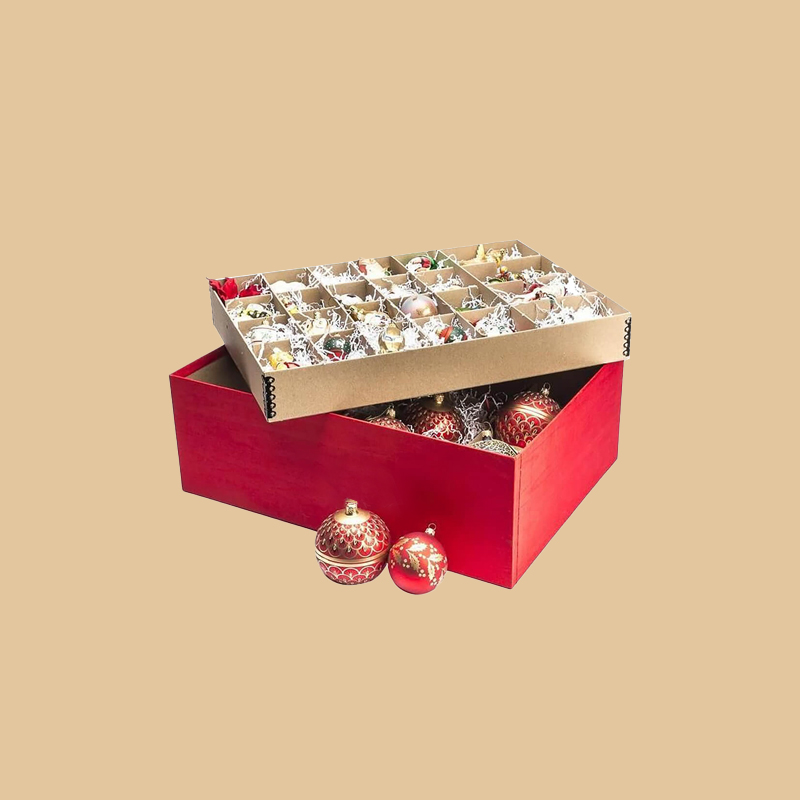
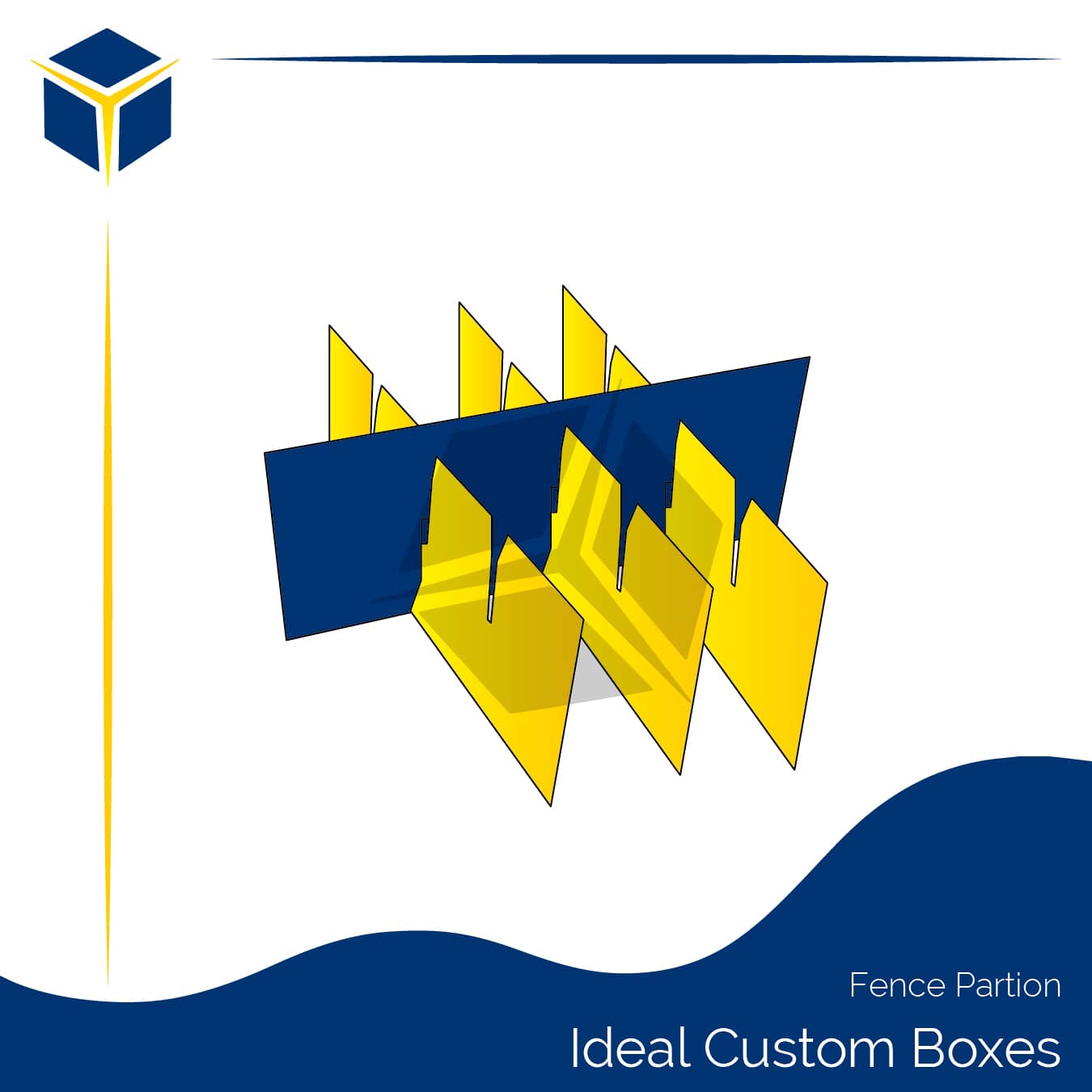
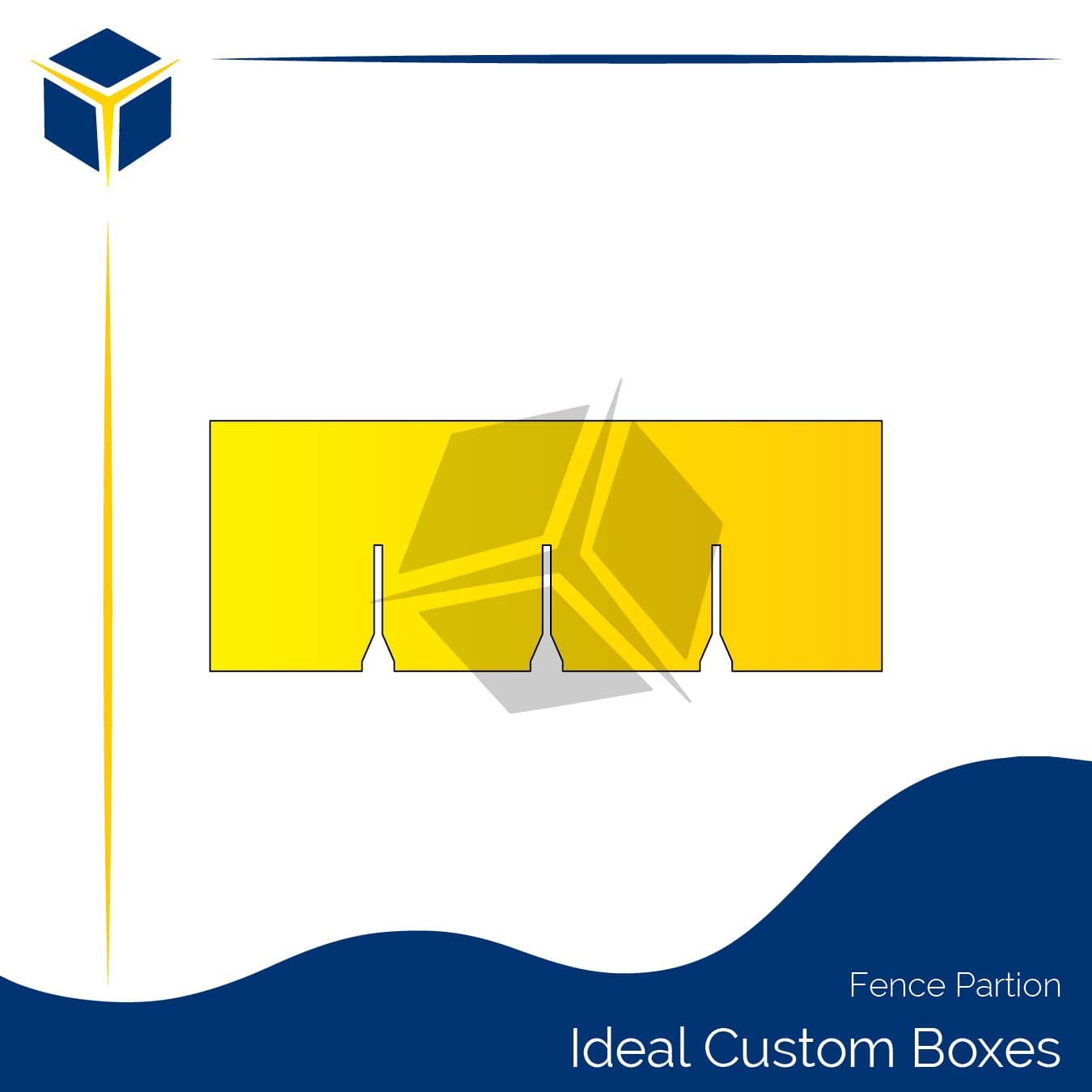
A fence partition is an internal packaging divider designed to create separate compartments inside an outer box. The structure uses crossing partition strips to form a grid, giving multiple products their own defined positions within the same package. This makes custom fence partitions useful for pack-outs where items need organized separation rather than a fitted opening around each individual product.
The final configuration should be based on the internal dimensions of the outer box, the dimensions and orientation of the products, the number of items packed together, and the required cell layout. Share these details with your order quantity to request a custom quote. Buyers still comparing structural options can explore our packaging styles before choosing the final insert configuration
How Does a Fence Partition Work?
A fence partition divides the usable interior of an outer package into individual cells. Crossing divider strips create the grid, while each compartment establishes a separate position for an item inside the box.
Unlike a standalone folding carton, the partition does not use its own conventional opening or closing flap. It functions as an internal divider system inside the outer packaging. If your project also requires the surrounding transit carton, review our shipping boxes separately when planning the complete pack-out. Products are placed into the cells, while the surrounding box provides the main exterior structure.
Because the cell arrangement is created around the pack-out, accurate product and box dimensions are important when planning a custom fence partition.
Why Use Fence Partitions?
The main purpose of a fence partition is to organize multiple products inside one package while keeping individual items separated from one another.
A defined grid can help:
- create individual positions for multiple items;
- reduce direct product-to-product contact;
- keep a repeated pack-out organized;
- make the arrangement of products easier to understand during packing; and
- use the interior of an outer box according to a planned row-and-cell layout.
The complete packaging system still needs to be evaluated according to the product dimensions, weight, fragility, outer box, cushioning needs, handling conditions, and other project requirements. A fence partition should not be treated as a guarantee against impact, breakage, crushing, or shipping damage.
When Should You Consider a Fence Partition?
Fence partitions are most relevant when several products need separate positions inside the same outer package.
For example, the structure may be worth considering when:
- multiple similarly sized items need individual cells;
- products are packed in repeated rows or columns;
- direct contact between neighboring items should be reduced;
- the packer needs a clearly organized product arrangement; or
- the outer box needs an internal divider system rather than a fitted insert.
Suitability depends on the actual product dimensions, shape, orientation, outer-box dimensions, and packing requirements. A fence partition should therefore be selected from the pack-out configuration rather than from a broad industry category alone.
Fence Partition Sizing and Layout
Custom sizing should begin with the products and the usable interior of the outer package.
For an accurate quote, provide:
- outer-box internal length, width, and height;
- product length, width, and height;
- number of products packed in each box;
- preferred product orientation;
- desired row-and-column or cell arrangement, if known; and
- total order quantity.
These details help determine how the partition grid should be planned for the project. There is no need to rely on a generic size chart when the partition is being produced for a custom pack-out. Final dimensions and configuration should be confirmed as part of the quotation.
Structural Advantages and Tradeoffs
A fence partition provides a straightforward way to divide one outer package into multiple individual cells. Its main advantage is the ability to organize several products within a defined grid instead of allowing them to share one open interior space.
However, the structure is not automatically the right solution for every product.
A buyer should consider:
- whether the product shape works with a cell-based layout;
- how many products must fit inside the outer box;
- how the products need to be oriented;
- whether the pack-out needs a divider grid or a more fitted insert;
- whether additional cushioning is required; and
- how the complete outer packaging will be handled.
The best structure depends on the complete packaging requirement, not on one feature in isolation.
Customization for Your Pack-Out
Fence partitions are produced around the requirements of the specific packaging project. The most important customization decisions are the internal box dimensions, product dimensions, cell arrangement, number of items per box, and order quantity. If branding or artwork is required for the project, include the available artwork or supporting files with your quote request so the applicable production options can be reviewed.
Material, printing, finishing, and other production options should be confirmed as part of the custom quotation rather than assumed from a generic packaging specification.
Artwork and Project Information
If your Fence Partition project includes artwork, upload the available files when requesting a quote.
You can also provide any useful project information such as:
- product dimensions;
- outer-box dimensions;
- proposed cell layout;
- product orientation;
- number of units packed per box;
- artwork files; and
- other relevant packing or presentation requirements.
Providing complete information at the start helps the project team understand how the partition will be used and what configuration needs to be reviewed.
Fence Partition vs Punch Insert
Fence Partitions and Punch Inserts can both organize multiple products inside outer packaging, but they use different structural approaches.
- A Fence Partition creates separate cells with crossing divider strips. This structure is useful when several products need individual compartments arranged across the interior of an outer box.
- A Punch Insert uses punched or fitted openings or compartments to position products within the insert.
The better option depends on the product dimensions, shape, required position, number of items, outer-box configuration, and packing process. Neither structure is universally better.
If your products need fitted openings rather than a divider grid, consider comparing your project with Punch Insert Packaging before finalizing the structure.
Request a Custom Fence Partition Quote
To request a custom Fence Partition quote, provide the internal dimensions of the outer box, the product dimensions, number of products per box, preferred orientation, desired cell layout, and total quantity.
- MOQs: Low MOQs are available.
- Standard turnaround: 12 to 14 business days
- Express turnaround: 6 to 8 business days
Include artwork or other project files when applicable so the complete packaging requirement can be reviewed with your quotation.
Premium Finishes
Window Patching
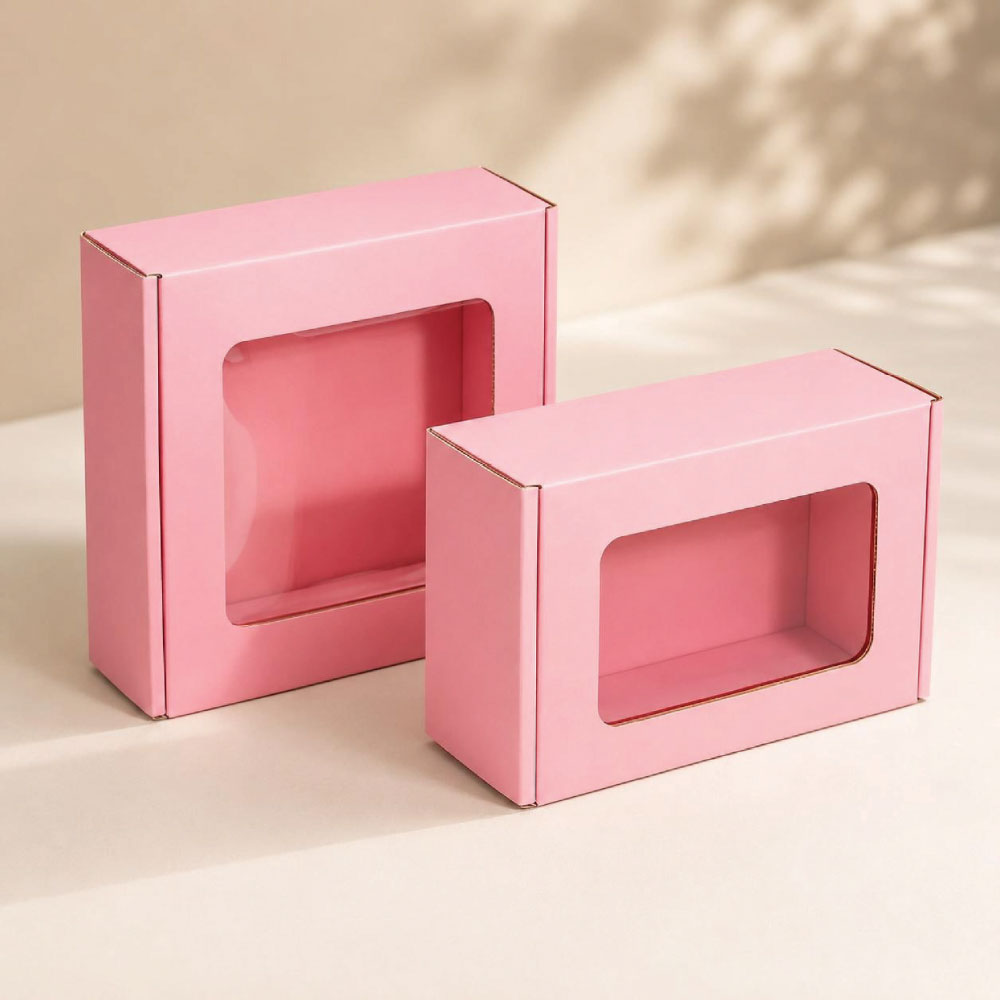
Special technique with a transparent plastic film covering the cut-out.
Window Die-cut
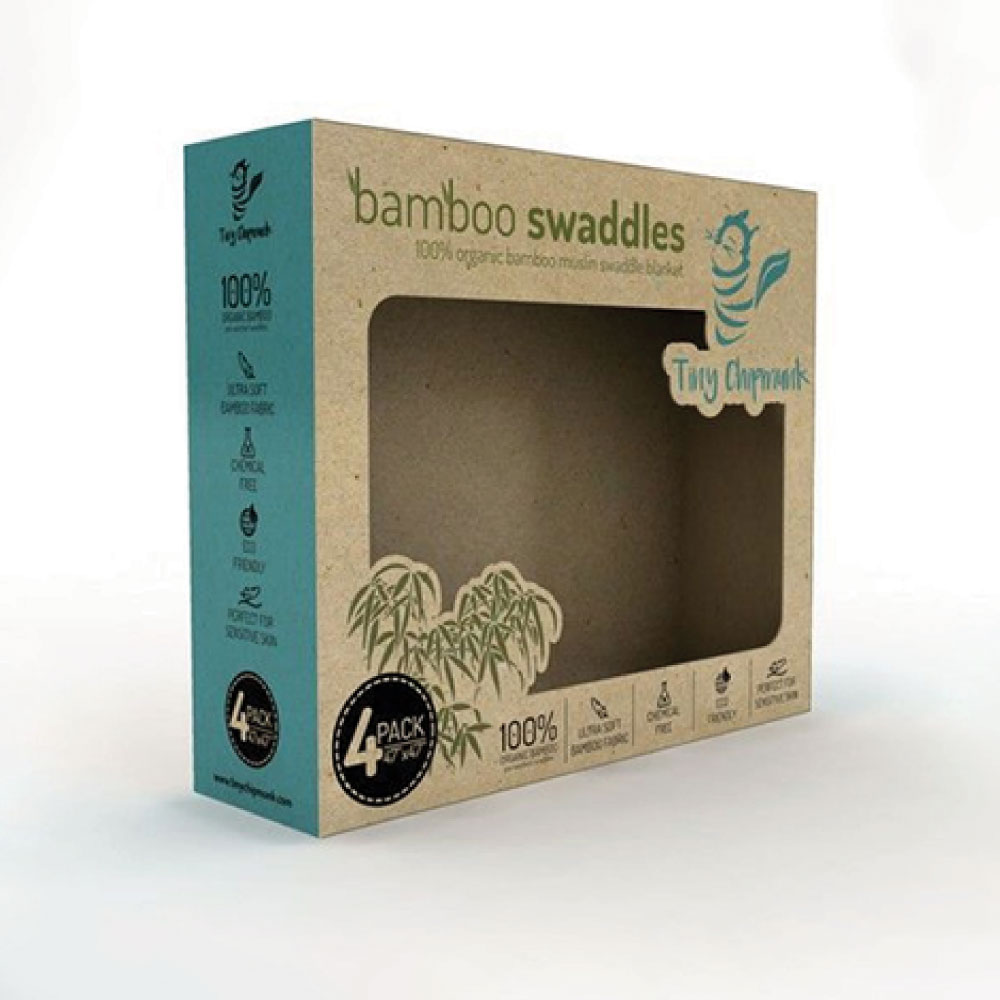
Special process where a cut-out is created on the packaging surface.

Stamping
Heat transferred foil onto paper surface.
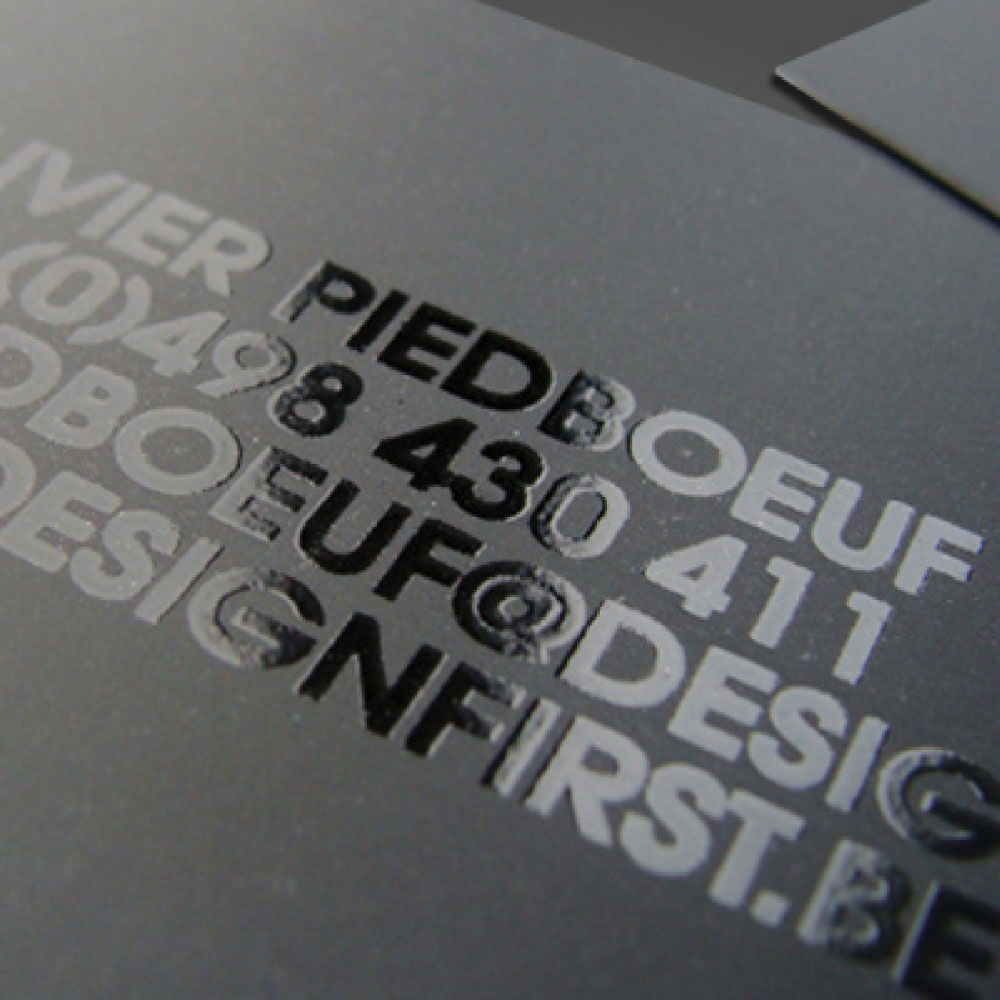
Spot UV
UV gloss coating cured on specific areas.
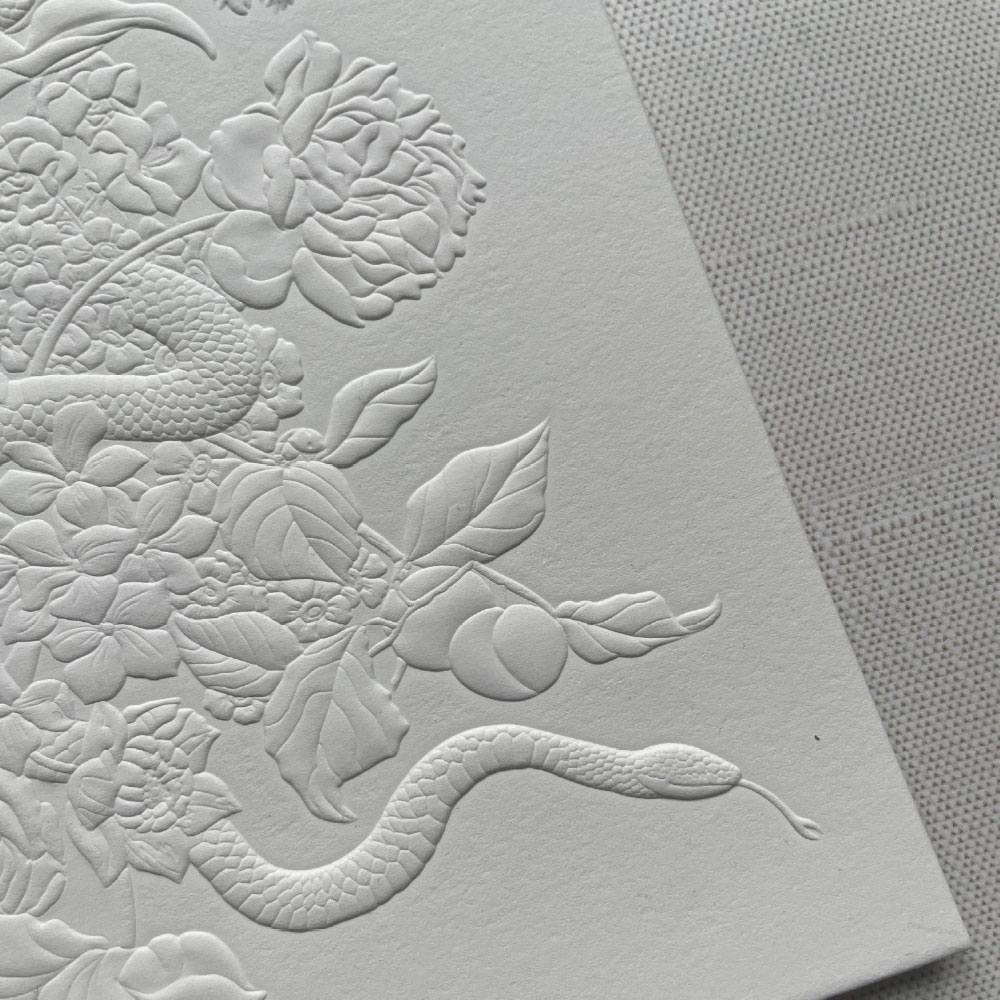
Emboss
Special process that creates a raised or recessed pattern on the surface.

Deboss
Special process that creates a raised or recessed pattern on the surface.
Coating & Lamination
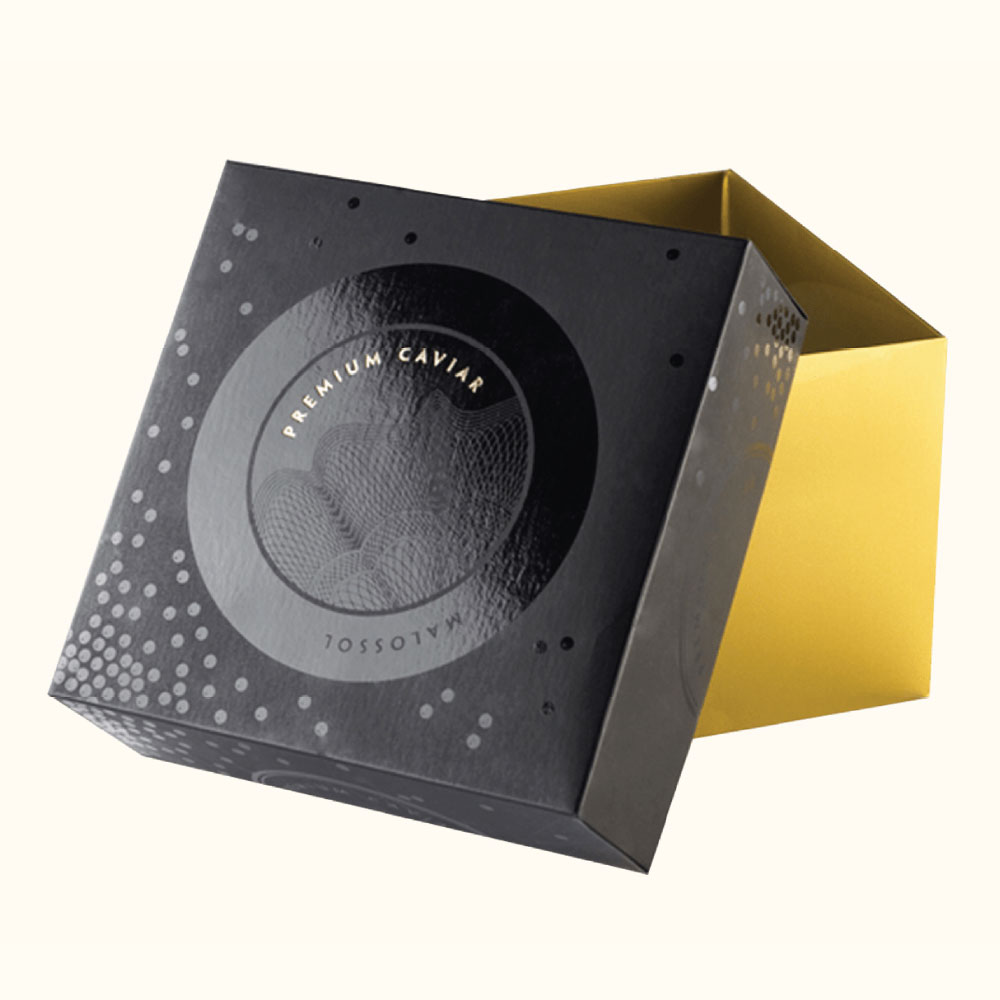
Varnish
Inexpensive option that coats and adds surface protection.
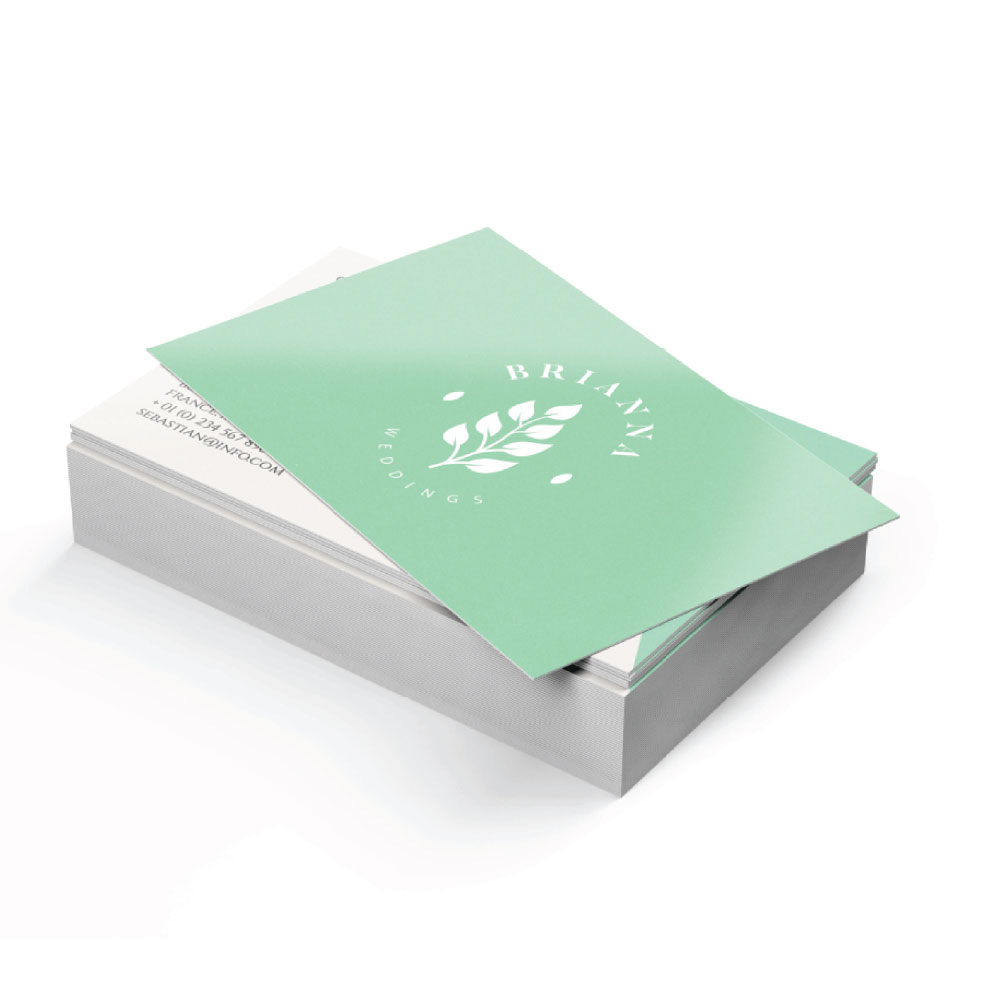
Soft Touch
Ink coating that produces smooth surface. Cheaper alternative to lamination.
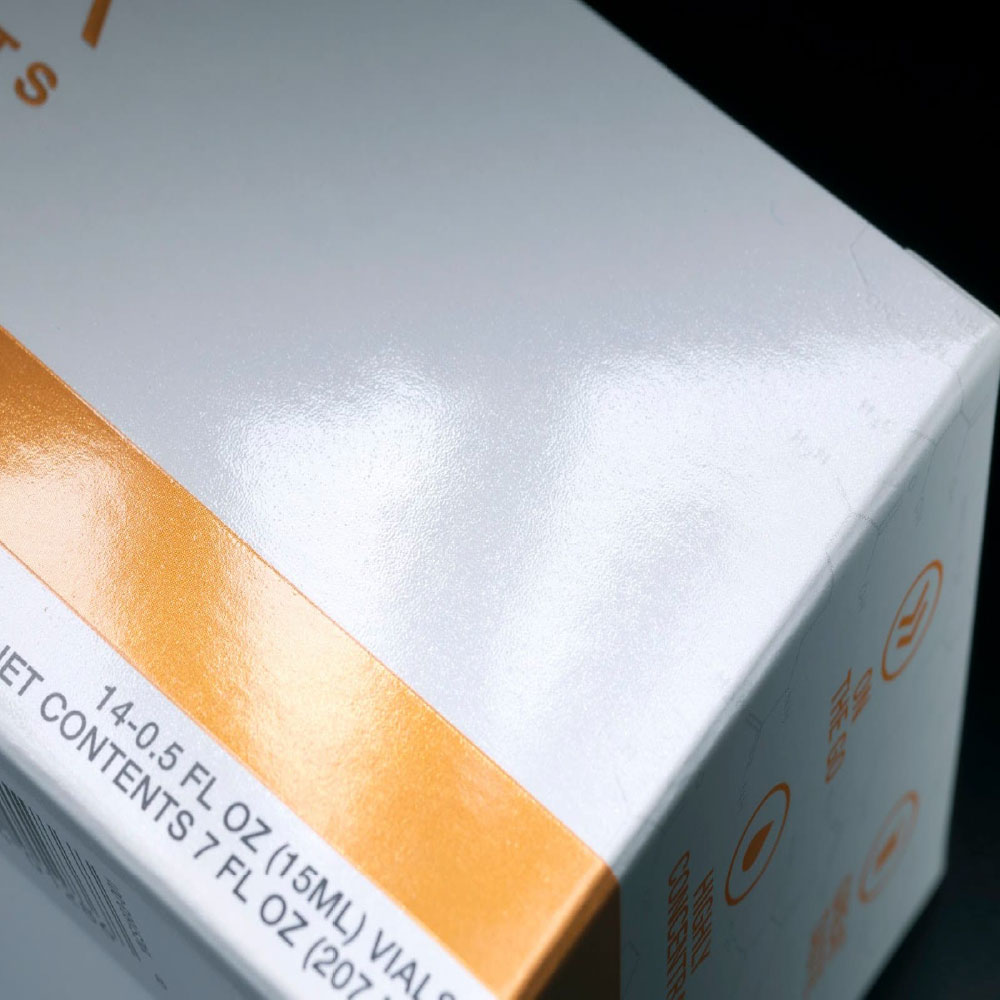
Pearlescent Coating
Give your surface extra decorative shimmer and shine.
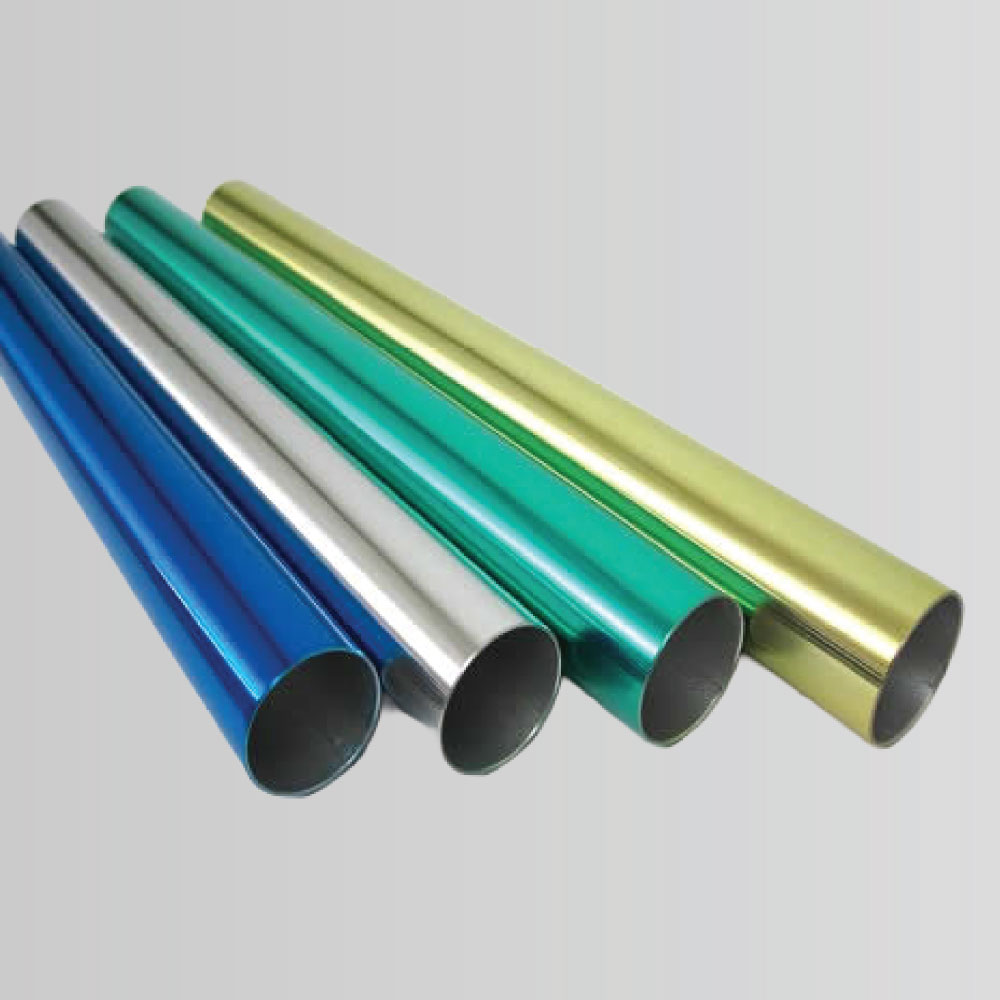
Metallic Coating
Add an extra metallic sheen to your box surface.
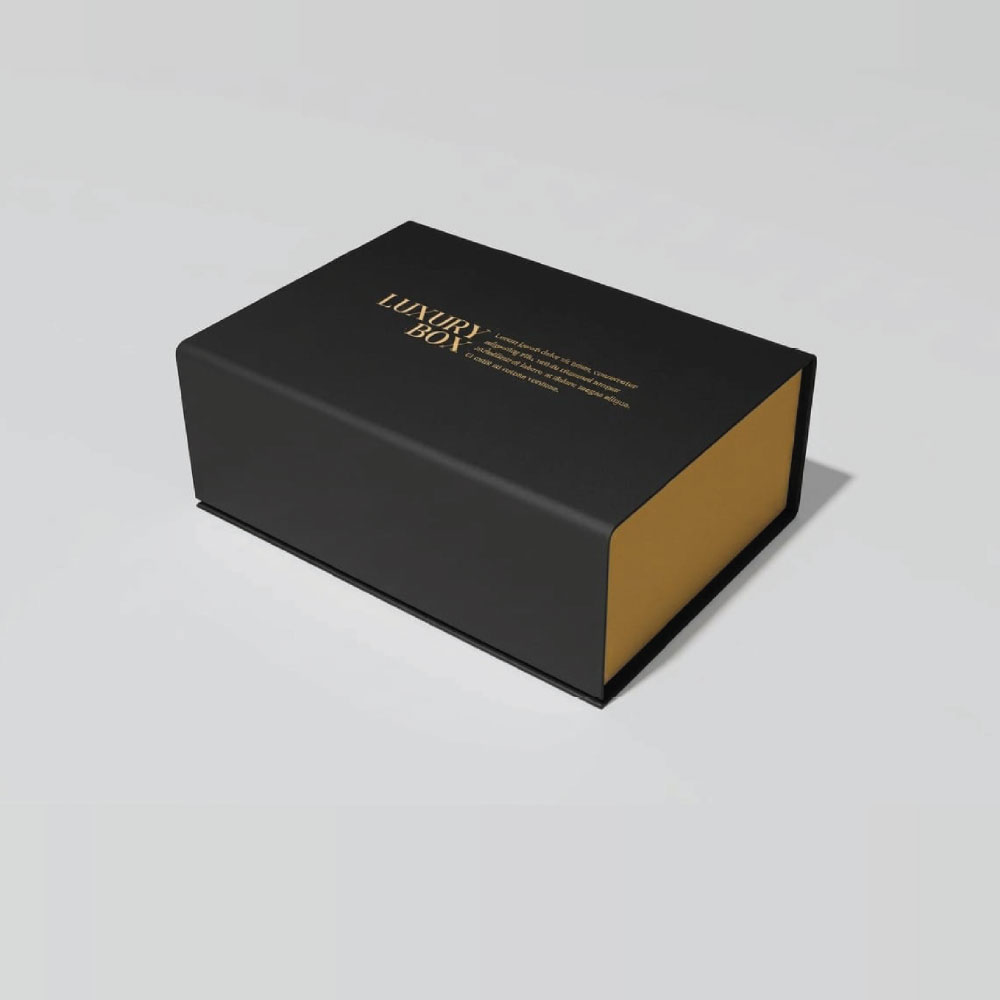
Matte
Special process that creates a raised or recessed pattern on the surface.
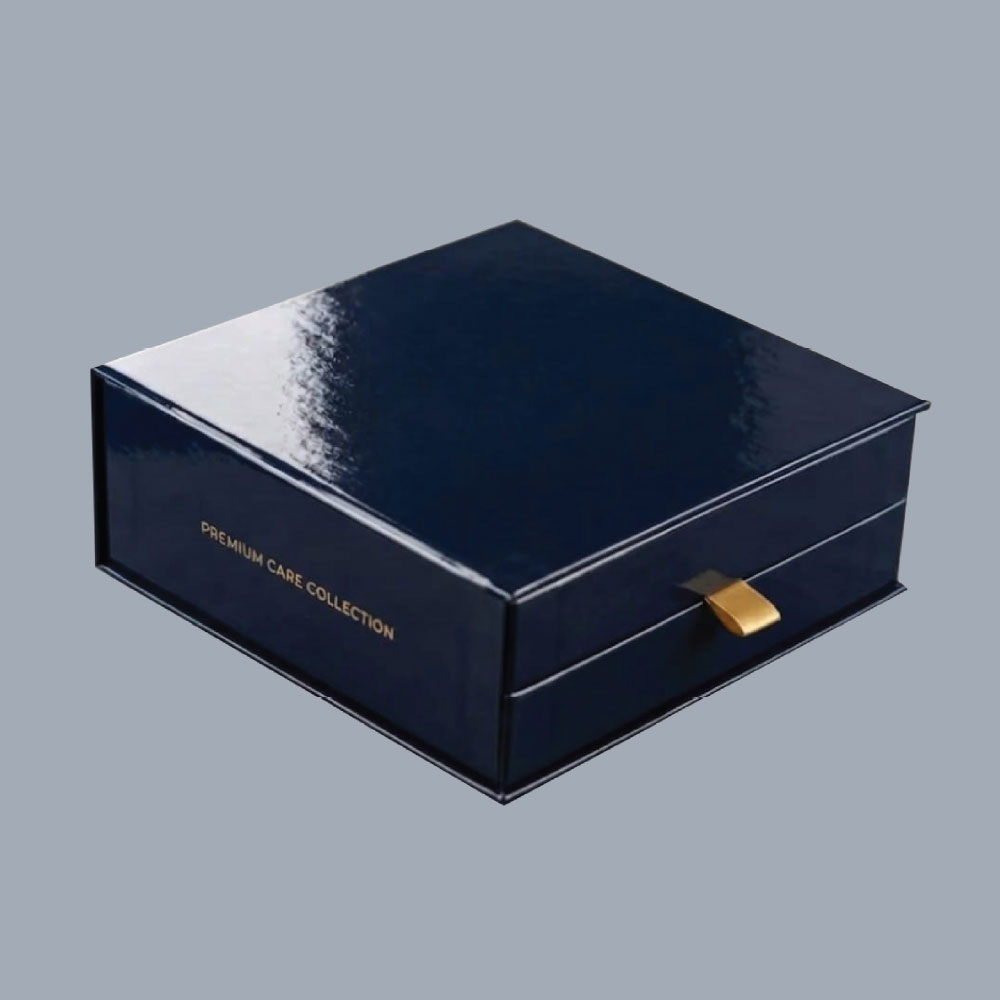
Gloss
Thin layer that gives the box a glossy surface.
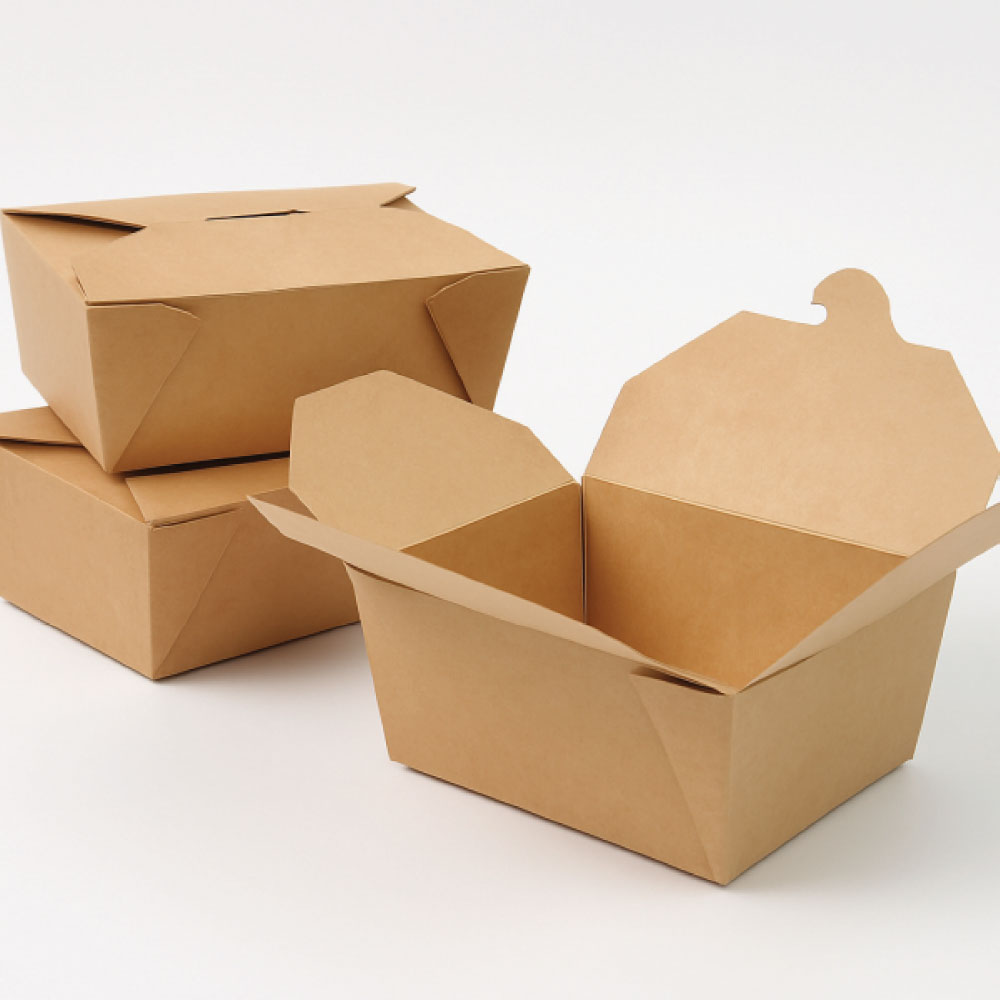
Food Coating
Inexpensive option that coats and adds surface protection.
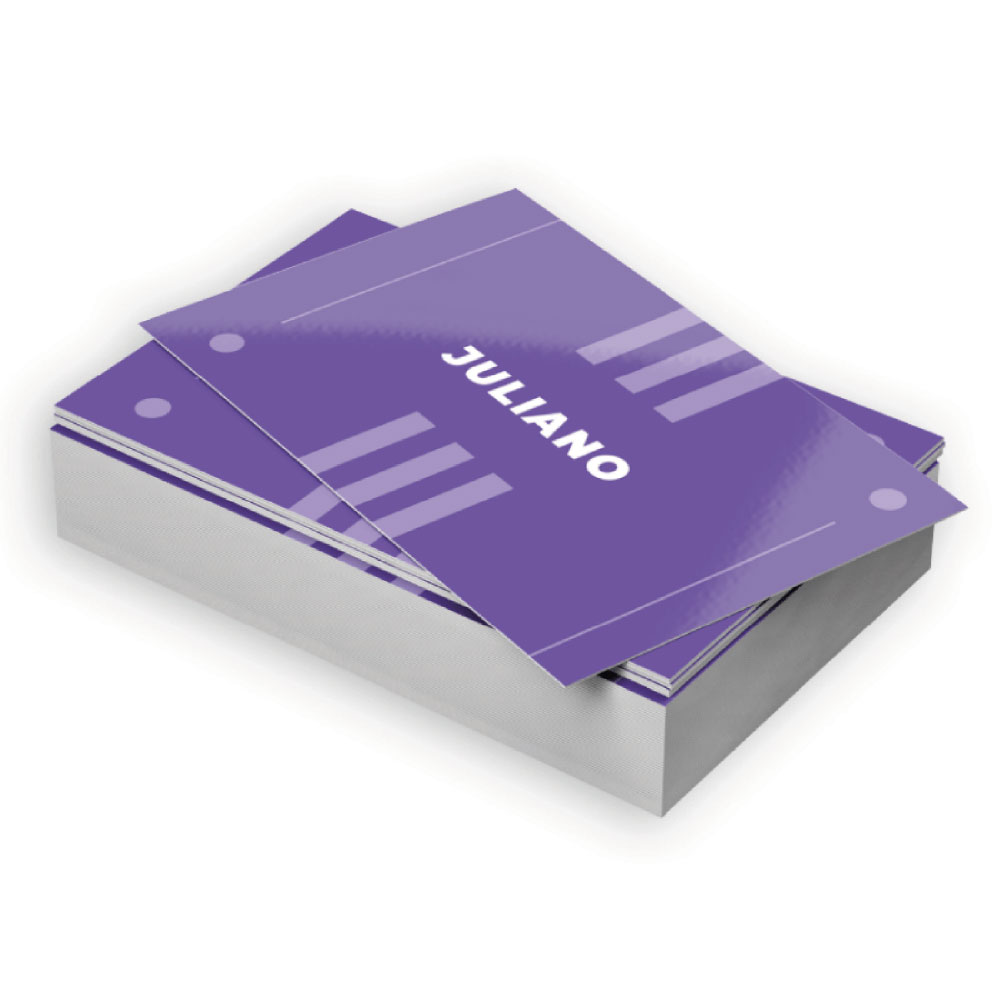
AQ Coating
Ink coating that produces smooth surface. Cheaper alternative to lamination.
Special Capabilities
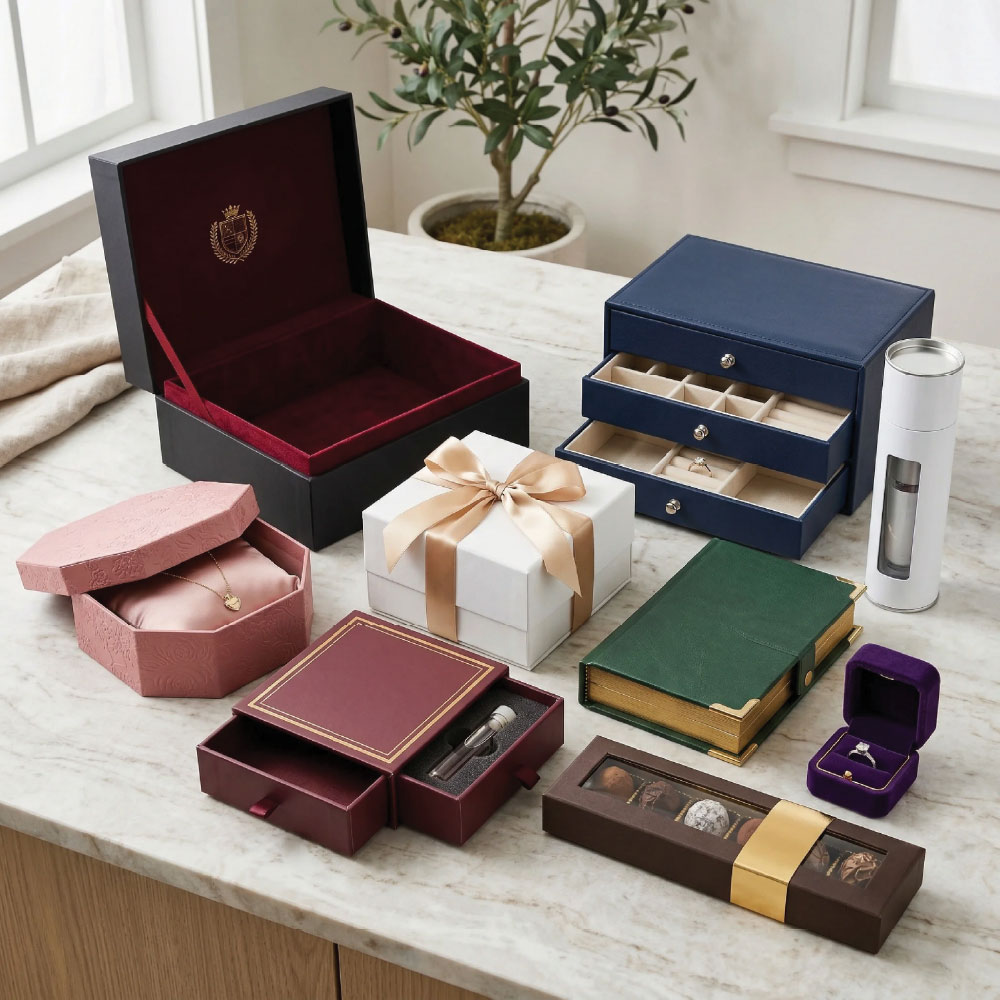
Unlimited Accessories
Meet your exact needs and preferences with easily personalized handles and buttons.
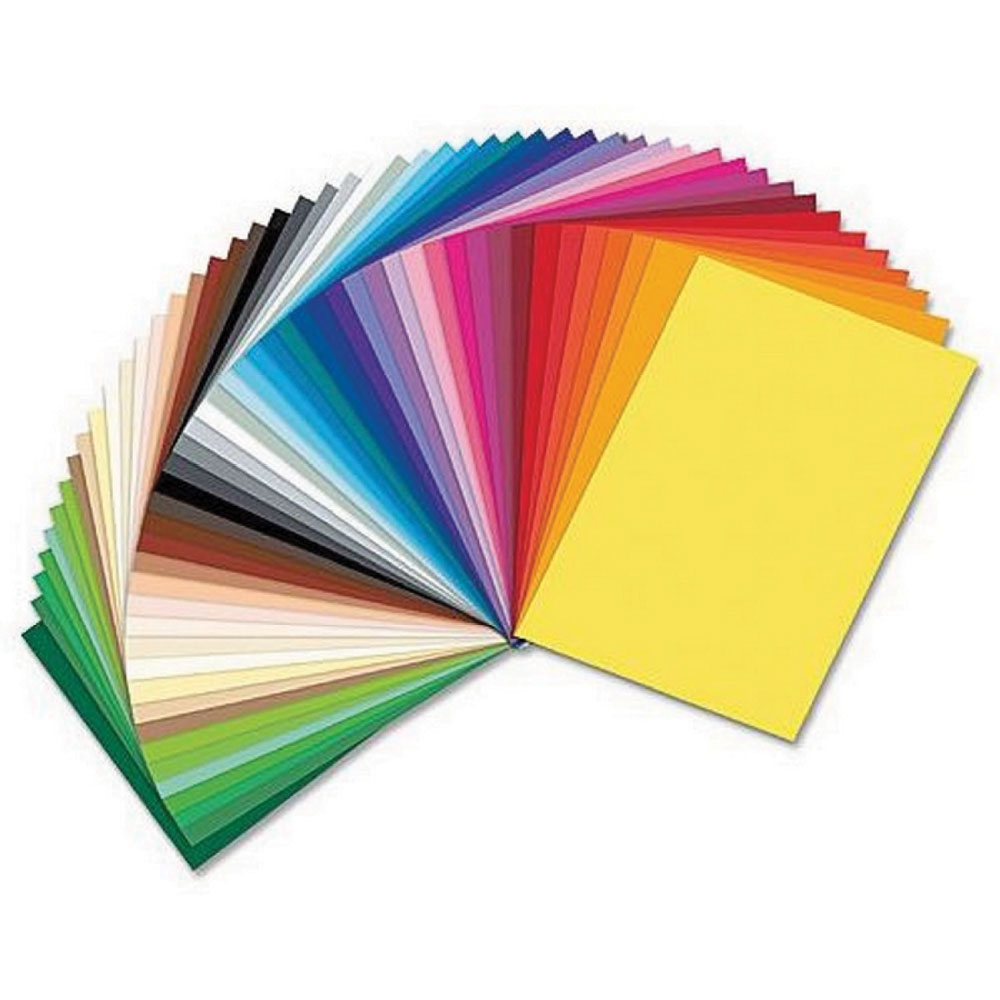
Diversified Papers
Unlimited selection of textured and colored paper.
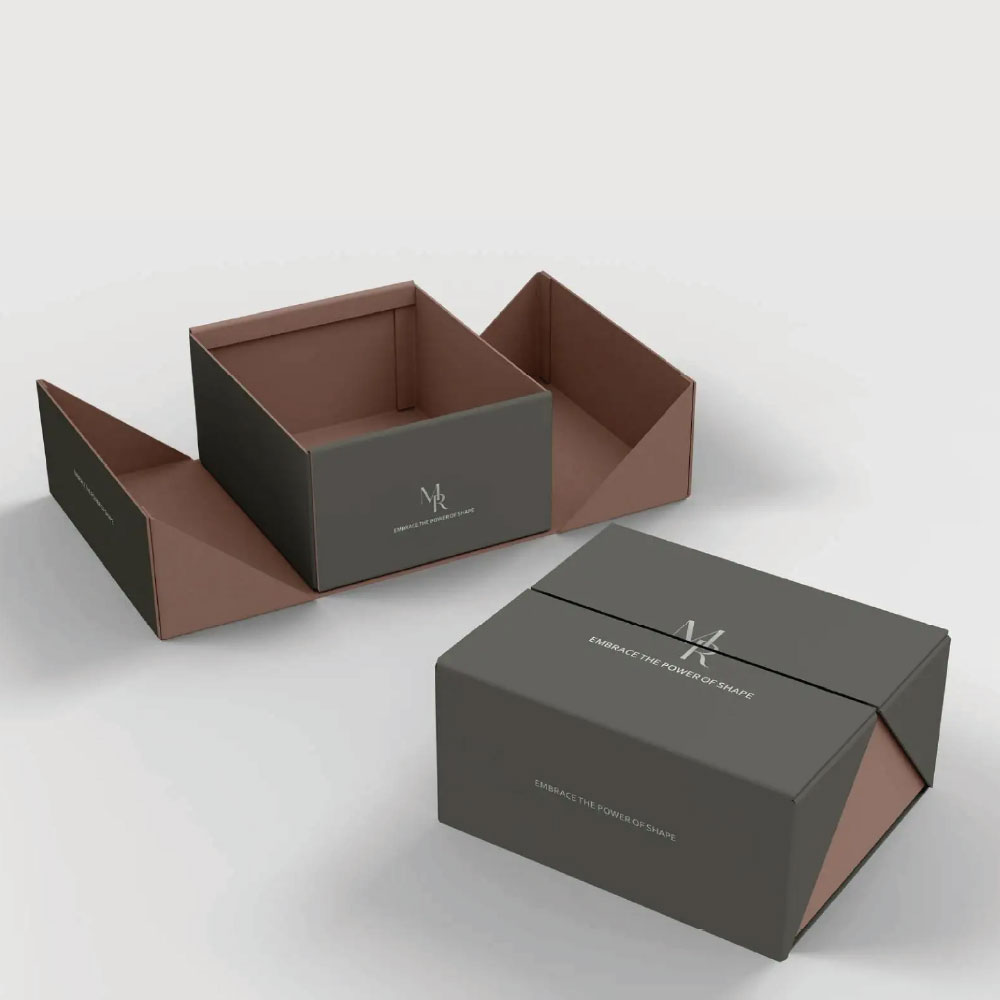
Custom Structure
Fully customized structures tailored to your specifications.
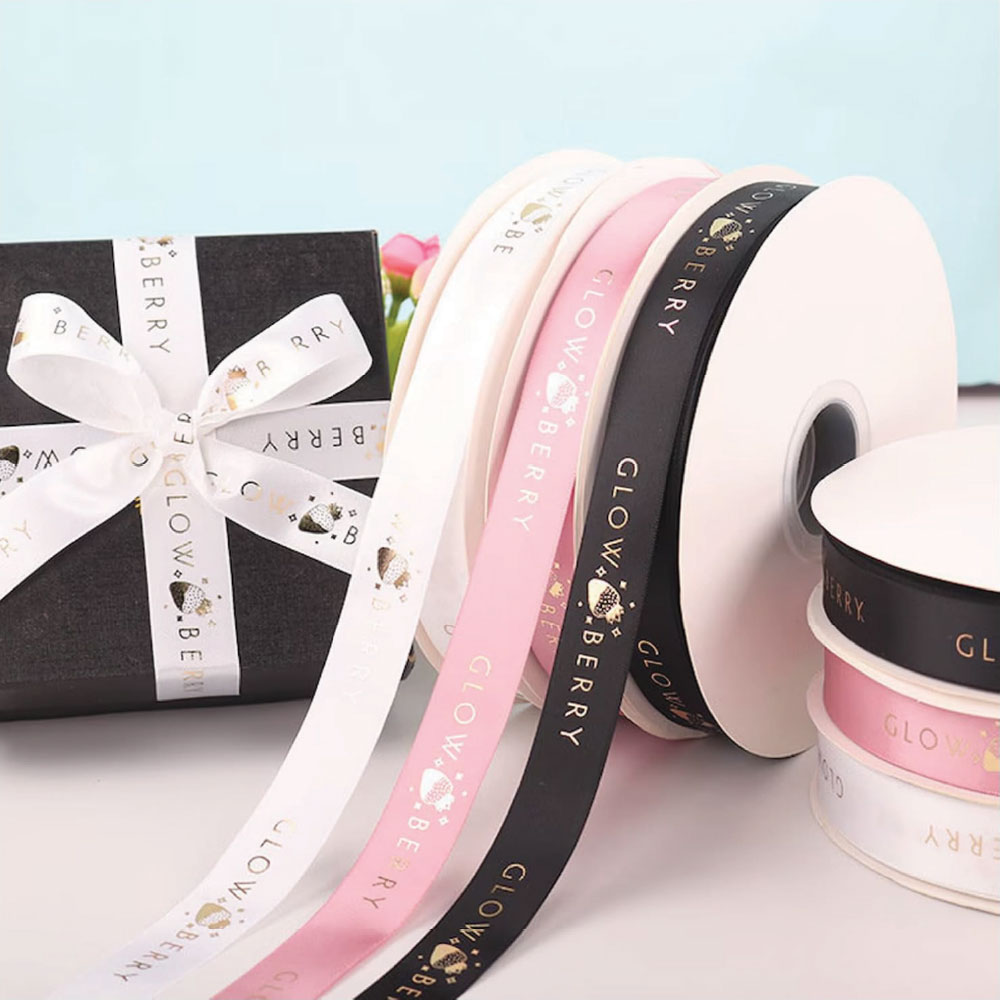
Custom Ribbons
Wide selection of custom luxurious ribbons for you to choose from.
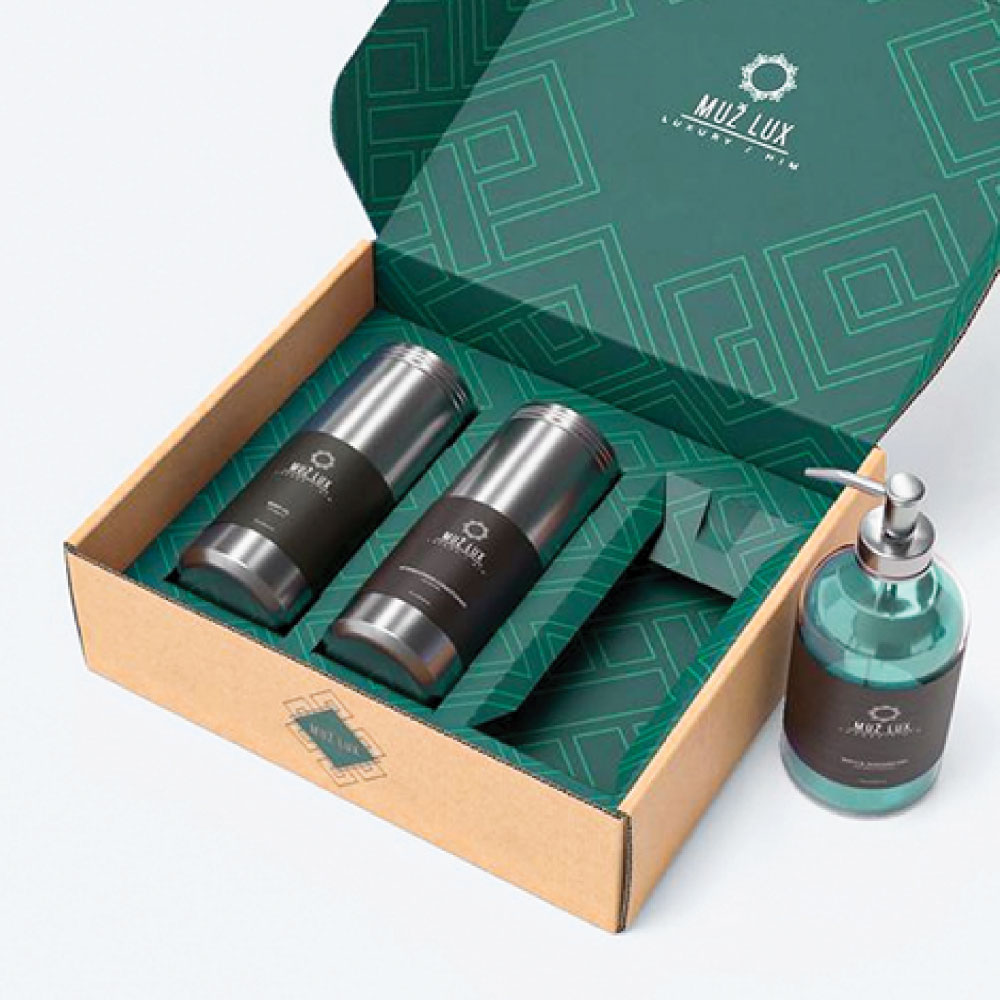
Custom Inserts
Versatile options for a variety of applications to keep products intact.
Material
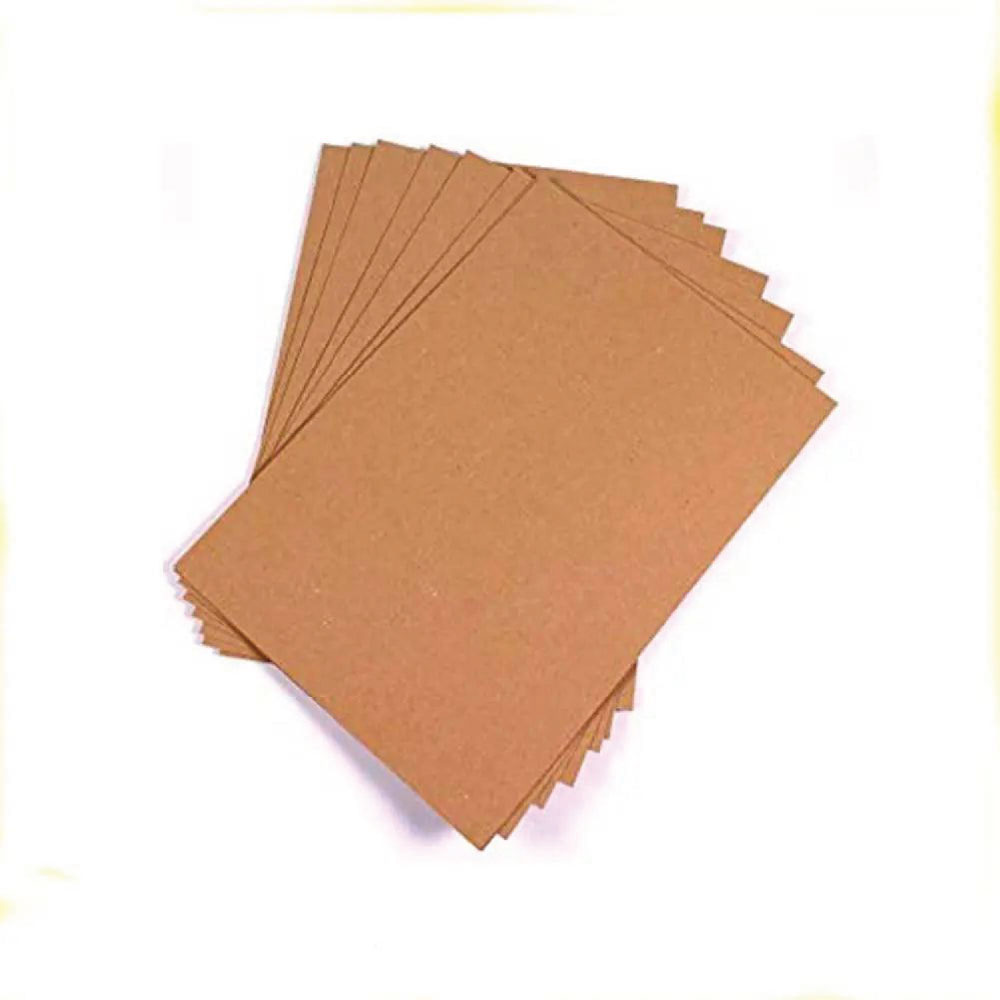
Kraft
Kraft is often used for packaging and ecommerce products because of its durability, elasticity, and environmental benefits.
Corrugated
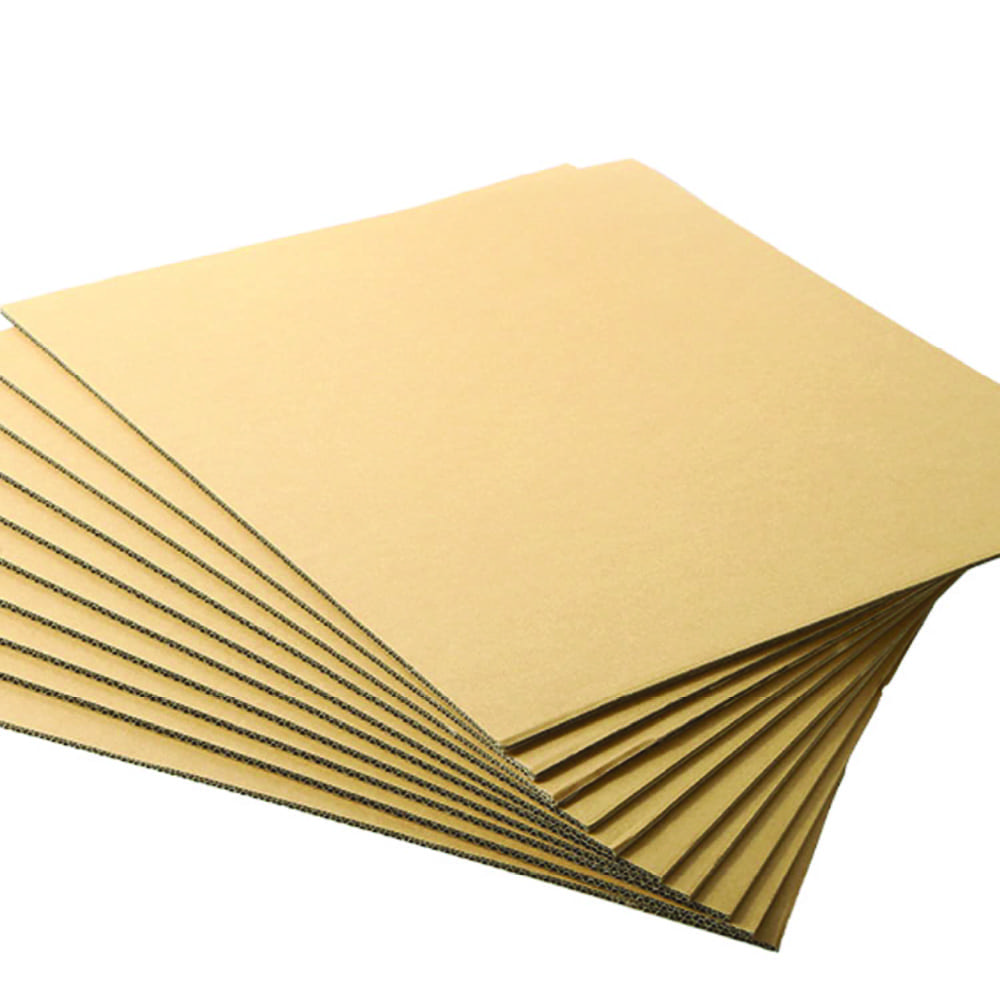
A sturdy packaging material made of three layers of kraft paper. its ideal for heavey or weighted products’ packaging.
Cardboard
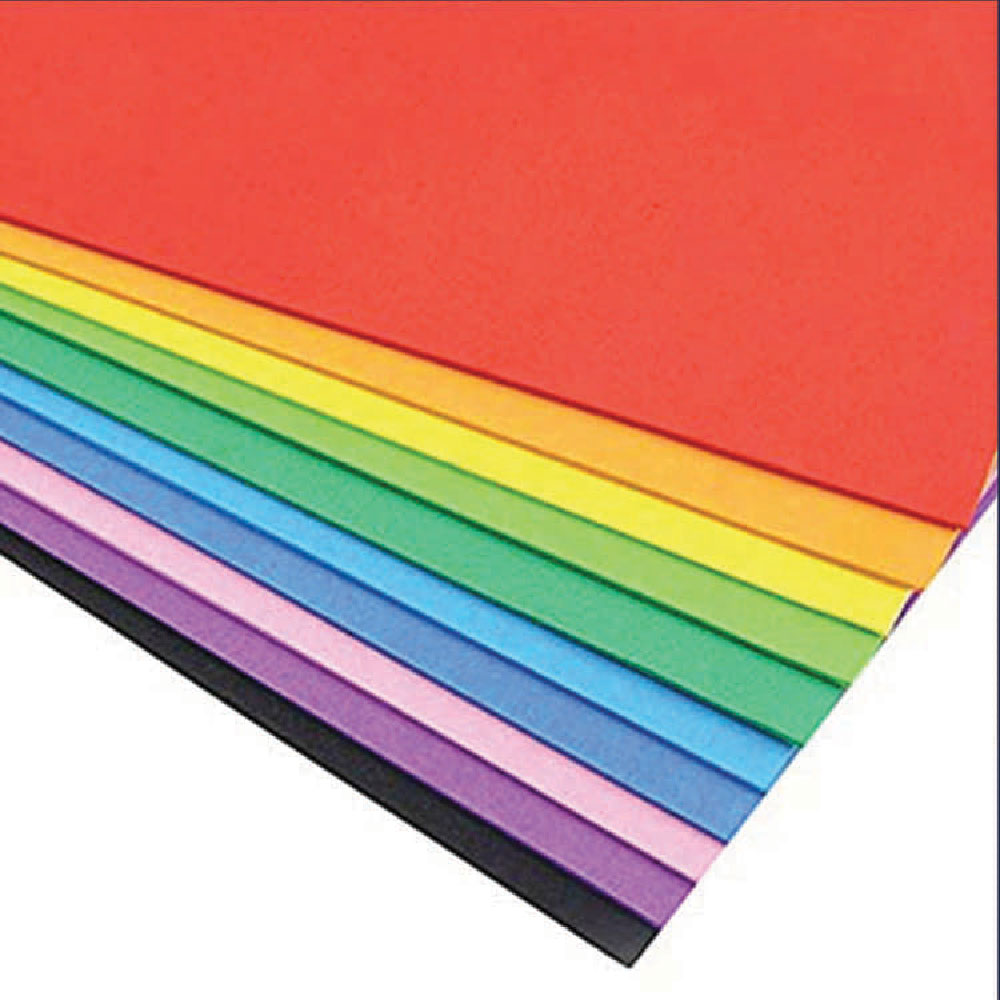
Its made from paper pulp. its strong, lightweight and versatile. its also recycleable.