Description
Premium Finishes
Coating & Lamination
Special Capabilities
Material
Description
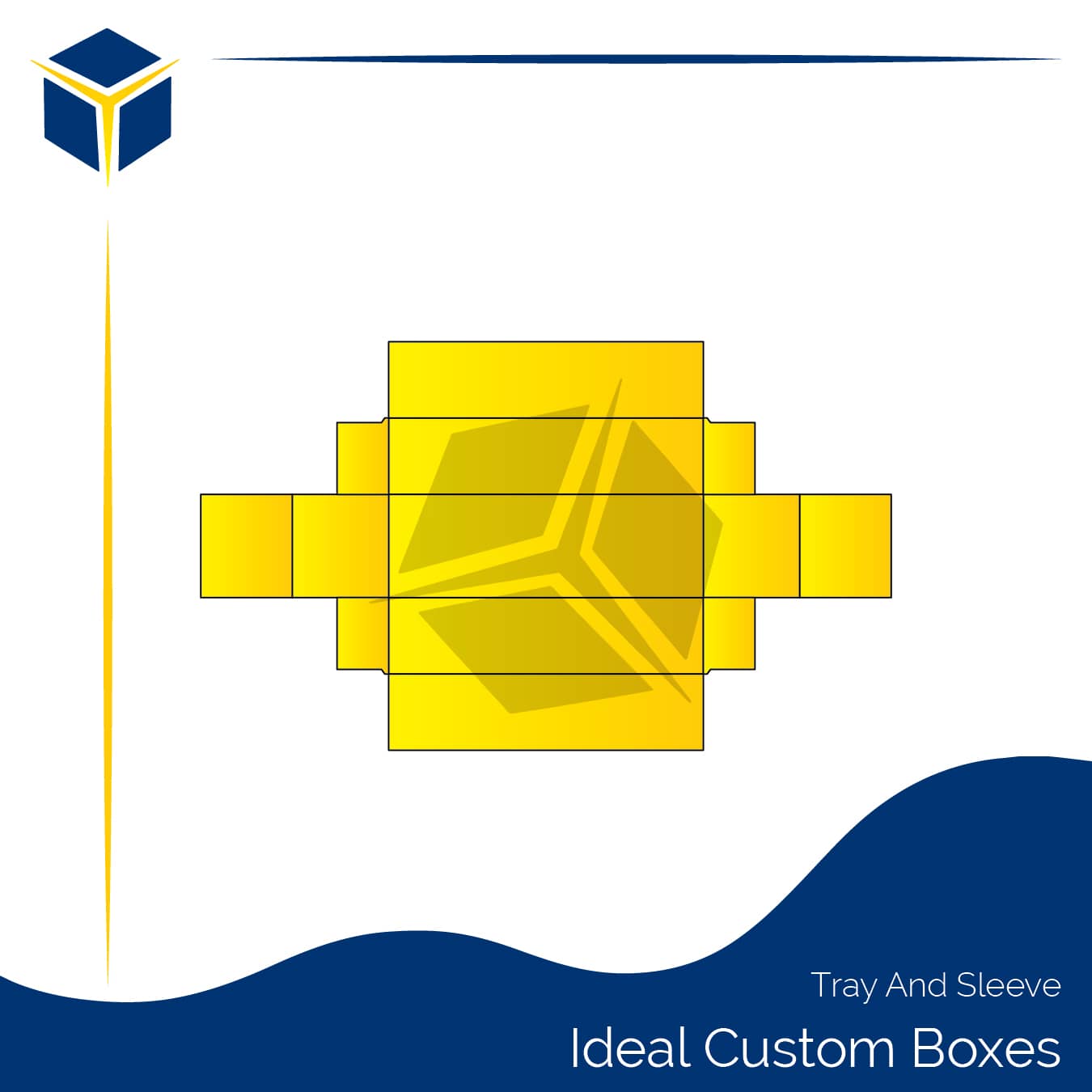
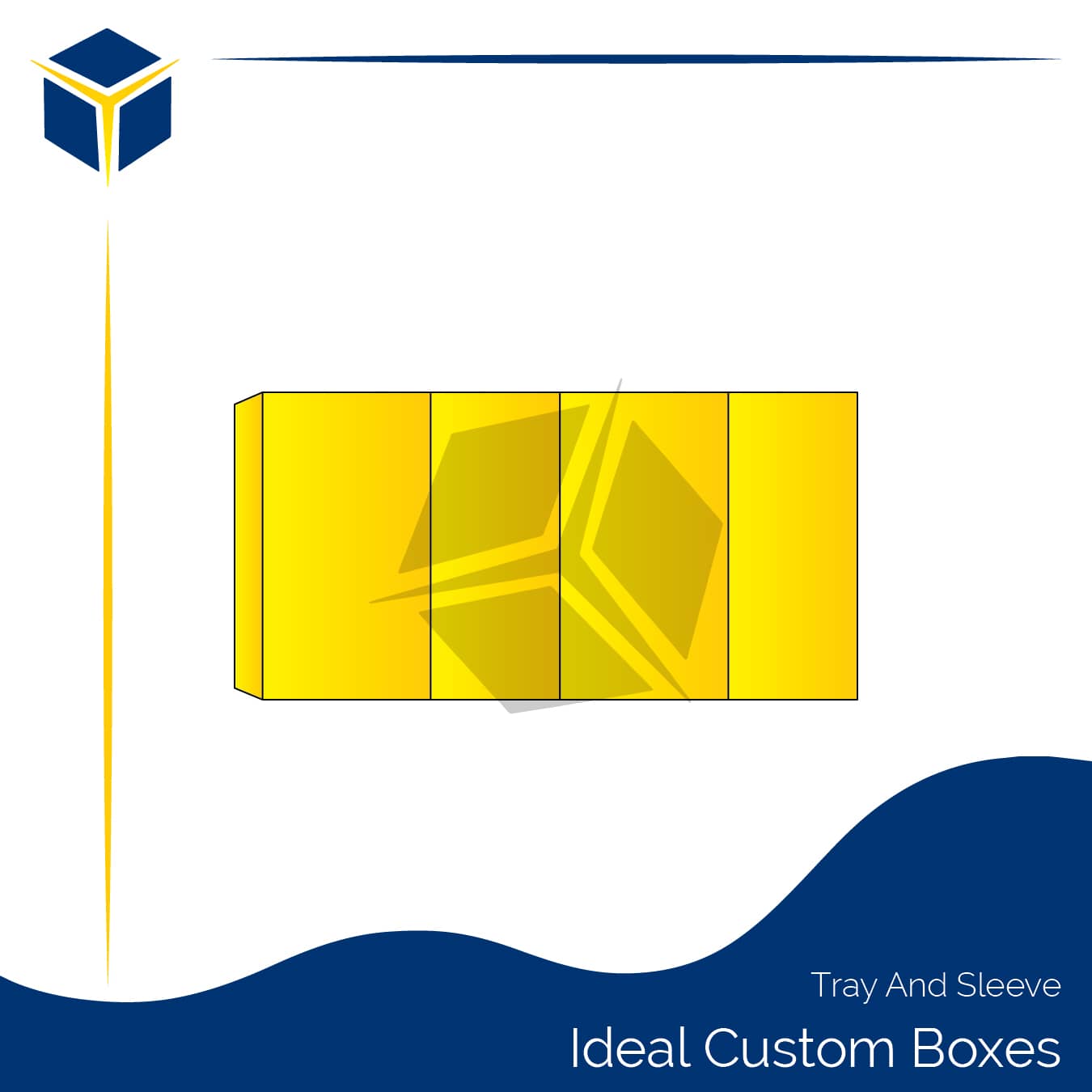
Double Wall Tray and Sleeve boxes use a two-part packaging structure with an inner tray and a separate outer sleeve. The tray holds the packaged item while the sleeve forms the outer presentation layer, giving buyers a distinct alternative to lift-off-lid and standard folding-carton formats. This style can be customized around the required dimensions, artwork, quantity, and finishing preferences of the project. Low MOQs are available, and customers can request either standard or express turnaround when submitting a custom quote.
What Is a Double Wall Tray and Sleeve Box?
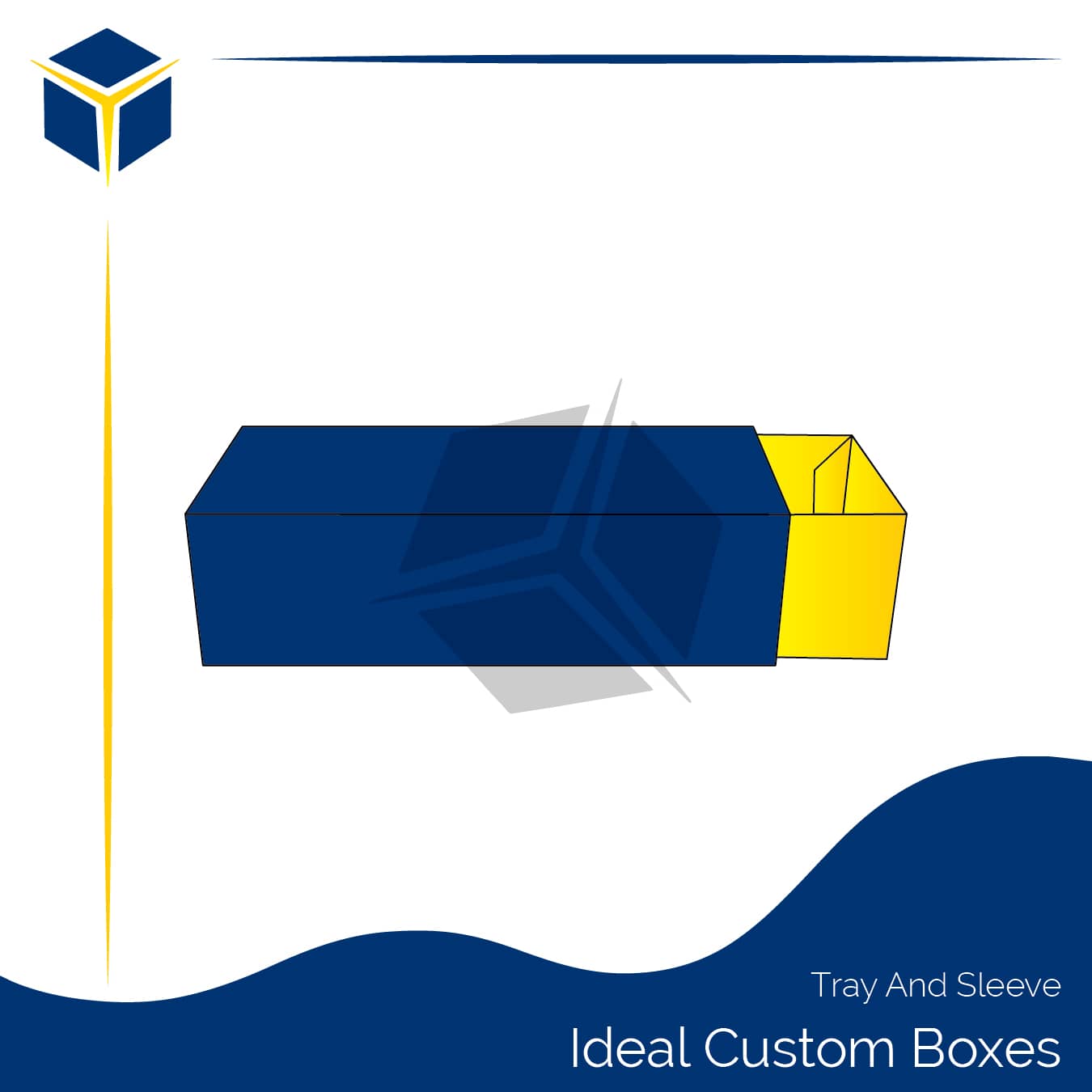
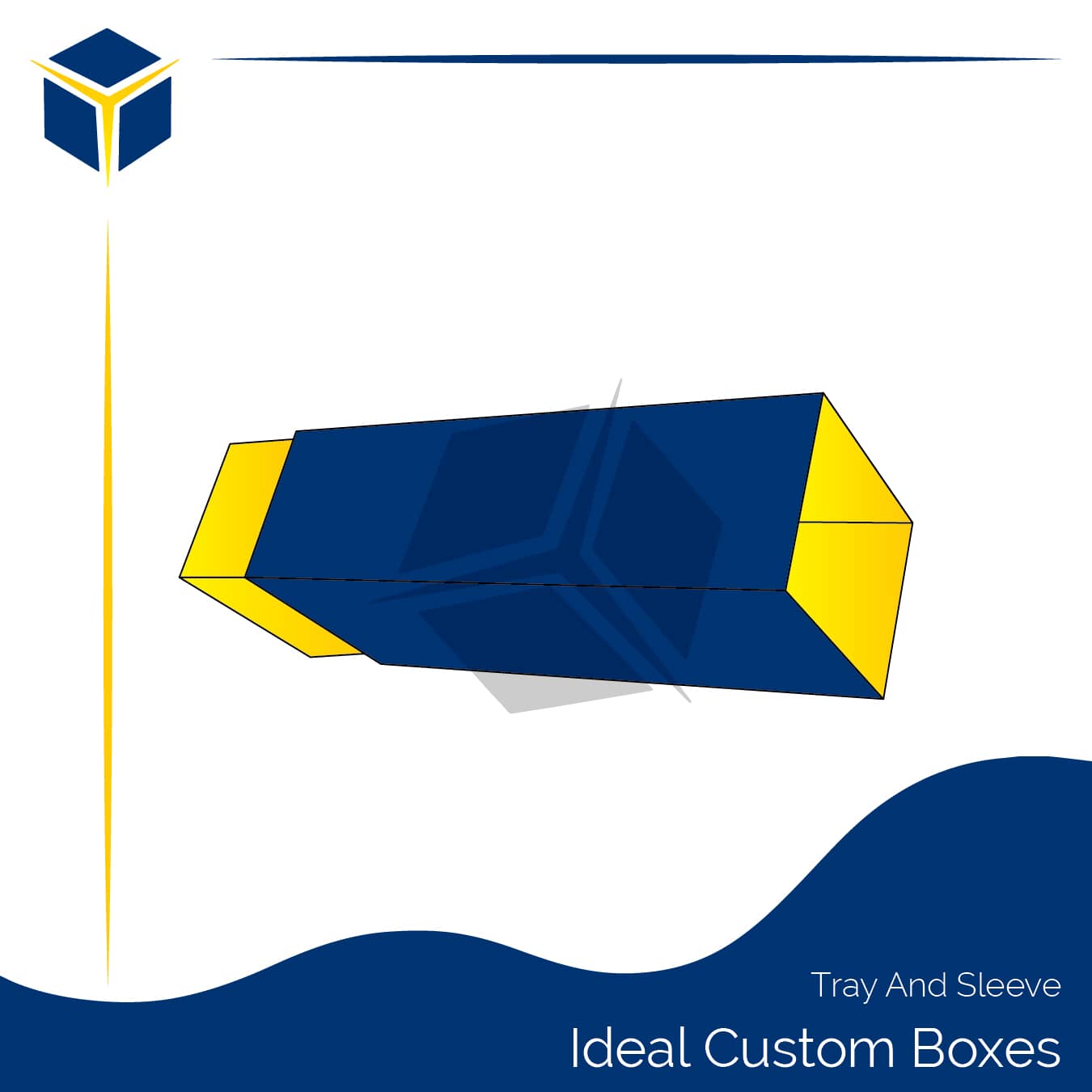
A Double Wall Tray and Sleeve box is a two-piece packaging style built around an inner tray and an outer sleeve. The product or product arrangement sits inside the tray, while the sleeve fits around the tray to complete the package.
This structure is part of the broader Tray and Sleeve boxes family, using a tray-based presentation with a separate outer component rather than a conventional hinged lid or removable top. Because the dimensions are prepared for a custom project, the product size, intended fit, artwork, and any insert or divider requirements should be considered before the final specification is approved.
For an accurate quote, provide the required box dimensions, quantity, artwork or design files, and any special packing requirements.
How the Double Wall Tray and Sleeve Structure Works
The Double Wall Tray and Sleeve format is based on two main components:
- Inner Tray: The tray is the part of the package that holds or presents the product. Its dimensions should be established around the product itself and any additional fit components required inside the box.
- Outer Sleeve: The sleeve forms the separate outer portion of the package. The tray and sleeve work together as one finished packaging format while remaining distinct structural components.
- Product Access: The packaged item is accessed by separating the tray from the outer sleeve. This creates a different opening experience from a box that uses a hinged flap or a separate lift-off lid.
- Custom Fit: Because the tray and sleeve must work together correctly, their dimensions should be developed as one packaging system rather than treated as two unrelated parts. Product size, insert requirements, and the intended presentation should all be considered when determining the final dimensions.
When to Consider Double Wall Tray and Sleeve Packaging
This style may be worth considering when your packaging brief calls for a separate tray and outer sleeve with a presentation-focused opening format.
It can be suitable for projects where:
- the product needs to sit inside a dedicated inner tray;
- the outer presentation should remain separate from the product-holding component;
- custom dimensions are required around the product;
- artwork needs to be incorporated into a two-part packaging format;
- an insert, divider, or other fit requirement may need to be considered during structural planning.
The style should not be selected from appearance alone. Product dimensions, weight, packing process, required protection, retail presentation, and shipping method can all influence whether it is the right structure for a particular project. If your packaging requirements call for a different opening, closure, or presentation format, you can also explore our other packaging styles before choosing a structure.
Practical Advantages and Tradeoffs
Understanding both the advantages and limitations of a packaging style makes it easier to choose the right structure before requesting production.
Advantages
- Two-part presentation: The inner tray and outer sleeve create a distinct opening and presentation format compared with conventional one-piece cartons.
- Custom sizing: The packaging can be quoted around the dimensions required for the project rather than relying only on a fixed stock size.
- Separate product and outer presentation areas: The tray holds the product while the sleeve forms the outer portion of the packaging, allowing the two components to serve different presentation functions.
- Customization can be reviewed with the structure: Artwork, finishing preferences, and requirements such as inserts or dividers can be discussed while the box specification is being prepared.
Tradeoffs
- Two components must work together: The dimensions of the tray and sleeve need to be coordinated correctly as part of one packaging system.
- Packing involves more than one component: A tray-and-sleeve structure requires the packing process to account for both the inner tray and the outer sleeve.
- Suitability depends on the product: The style name alone does not establish weight capacity, shipping performance, or the level of protection required for a particular product.
- Add-ons require project review: Insert, divider, window, and finishing requirements should be checked against the final dimensions and packaging specification rather than assumed to work with every configuration.
Custom Sizing for Double Wall Tray and Sleeve Boxes
Custom dimensions are an important part of planning a Double Wall Tray and Sleeve box because the tray and sleeve must fit together correctly while also accommodating the product.
When requesting a quote, provide the required:
- length;
- width;
- height;
- product dimensions, where fit is important;
- quantity;
- insert or divider requirements, if applicable.
It is also helpful to clarify whether the dimensions supplied refer to the required internal space or the overall package size. If an insert, divider, or another internal component will be used, include that information before the final box dimensions are established. This helps ensure the complete packaging arrangement can be considered during quoting.
Materials, Printing, and Finishing
Material, printing, and finishing choices should be reviewed together with the dimensions, product requirements, artwork, and final packaging specification.
Rather than choosing a material or finish only from a general options list, provide your preferred appearance and functional requirements when requesting a quote. The available choices can then be reviewed for compatibility with the final Double Wall Tray and Sleeve configuration.
You can also include requirements for:
- artwork or branding;
- preferred printing appearance;
- finishing preferences;
- inserts or dividers;
- window requirements;
- other project-specific customization.
Availability and compatibility can vary according to the final structure and specification, so these details should be confirmed during the quotation process.
Artwork and Packaging Requirements
For a custom quote, provide the artwork or design files available for the project together with the required dimensions and quantity. If the packaging must accommodate an insert, divider, window, or another structural feature, include that requirement before artwork and production specifications are finalized.
The final artwork setup should follow the approved packaging dimensions and dieline for the project. Avoid preparing final production artwork around an assumed template before the box specification has been confirmed.
Double Wall Tray and Sleeve vs Tray and Sleeve Boxes
Both structures use an inner tray and a separate outer sleeve, which means their overall opening concept can appear similar. A Double Wall Tray and Sleeve page is intended to represent a more specific tray construction within the wider tray-and-sleeve family, while a standard Tray and Sleeve box represents the broader two-part format.
When deciding between closely related structures, consider:
- product dimensions;
- required tray construction;
- packing process;
- presentation requirements;
- internal fit;
- inserts or dividers;
- overall packaging specification.
The best choice depends on the requirements of the individual product rather than one structure being universally better than the other. Both structures use an inner tray and a separate outer sleeve. If you are comparing the wider format, review our Tray and Sleeve boxes to understand the standard tray-and-sleeve option before choosing the final structure.
Double Wall Tray and Sleeve vs Two Piece Boxes
- A Double Wall Tray and Sleeve box uses a tray and separate outer sleeve as its two main components.
- A Two Piece Box instead uses a base and a separate removable lid. This creates a different opening method and presentation experience.
A tray-and-sleeve format may be preferred when the project calls for access through the tray-and-sleeve arrangement, while a two-piece format may be considered when a removable top and base better match the desired presentation.
The decision should be based on product dimensions, packing requirements, presentation preferences, and the overall packaging specification. If you prefer a base with a separate removable lid instead of a sleeve-based opening, compare this structure with our Two Piece Boxes.
What to Provide for a Custom Quote
To request a quote for Double Wall Tray and Sleeve boxes, provide as much of the following information as possible:
- required length, width, and height;
- product dimensions where fit is important;
- required quantity;
- artwork or available design files;
- printing or finishing preferences;
- insert or divider requirements;
- window requirements, if relevant;
- intended packing or product-fit requirements;
- preferred turnaround option.
Low MOQs are available, with a standard turnaround of 12 to 14 business days and an express turnaround of 6 to 8 business days. Providing the main project requirements at the beginning helps ensure the packaging specification and quote reflect the actual needs of the product.
Premium Finishes
Window Patching
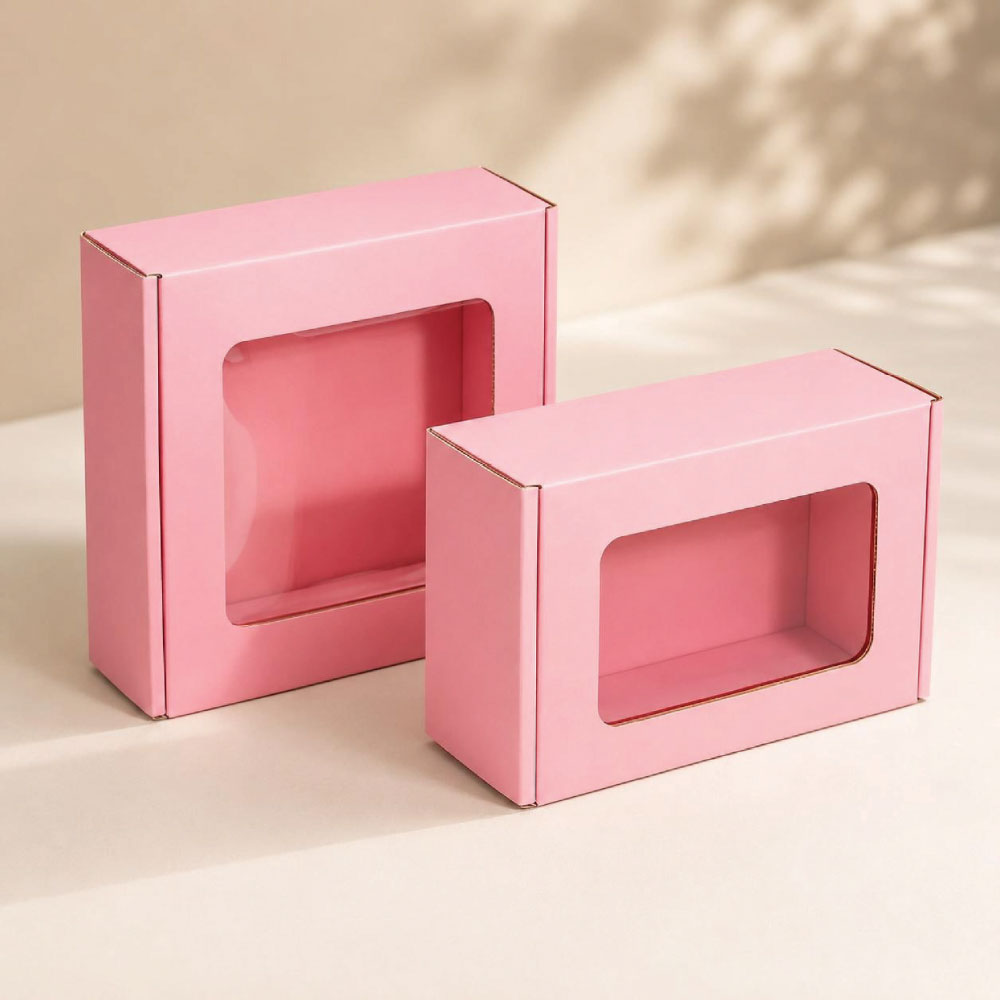
Special technique with a transparent plastic film covering the cut-out.
Window Die-cut
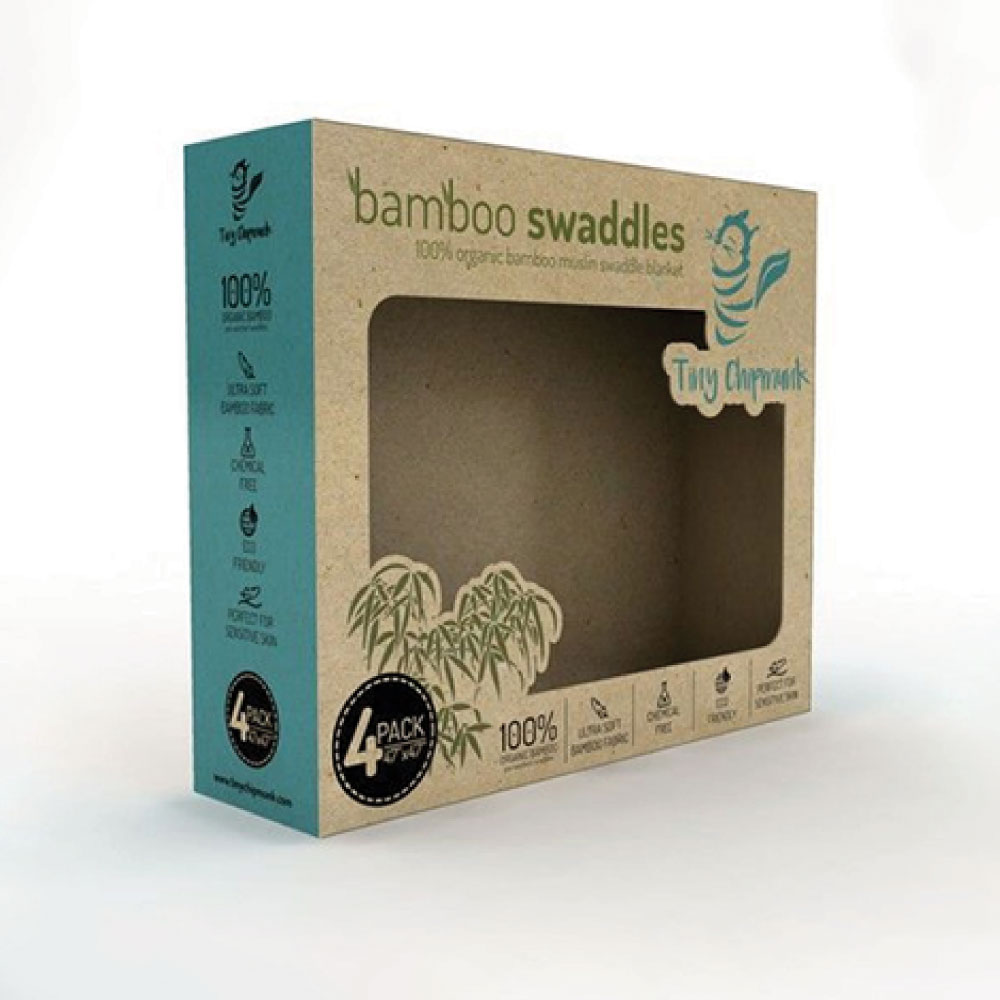
Special process where a cut-out is created on the packaging surface.

Stamping
Heat transferred foil onto paper surface.
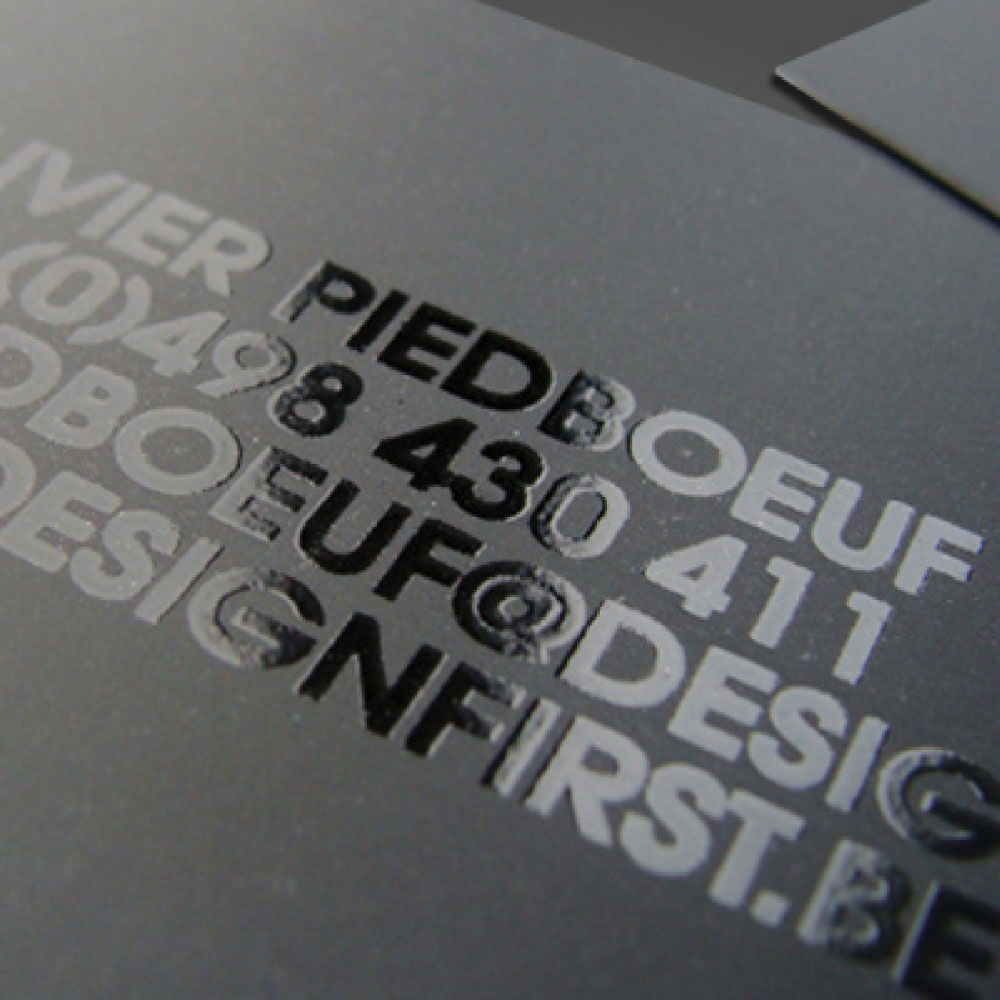
Spot UV
UV gloss coating cured on specific areas.
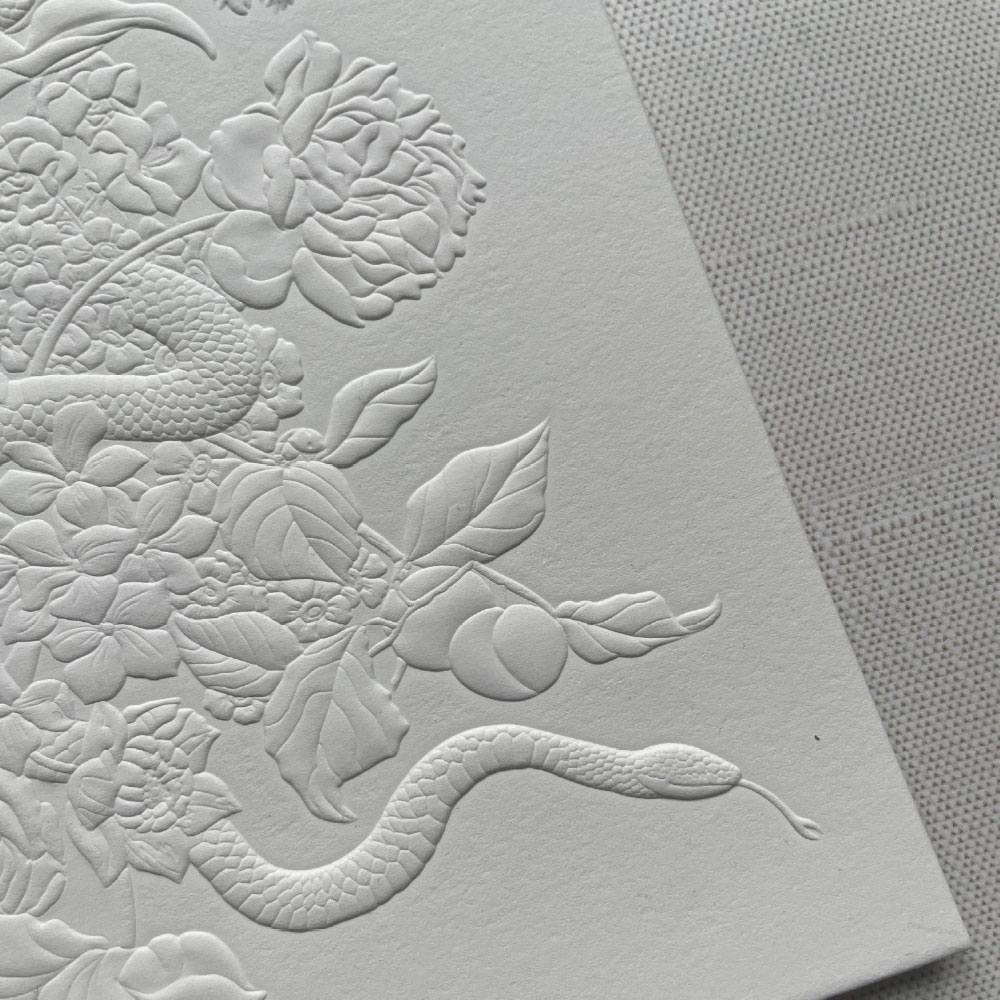
Emboss
Special process that creates a raised or recessed pattern on the surface.

Deboss
Special process that creates a raised or recessed pattern on the surface.
Coating & Lamination
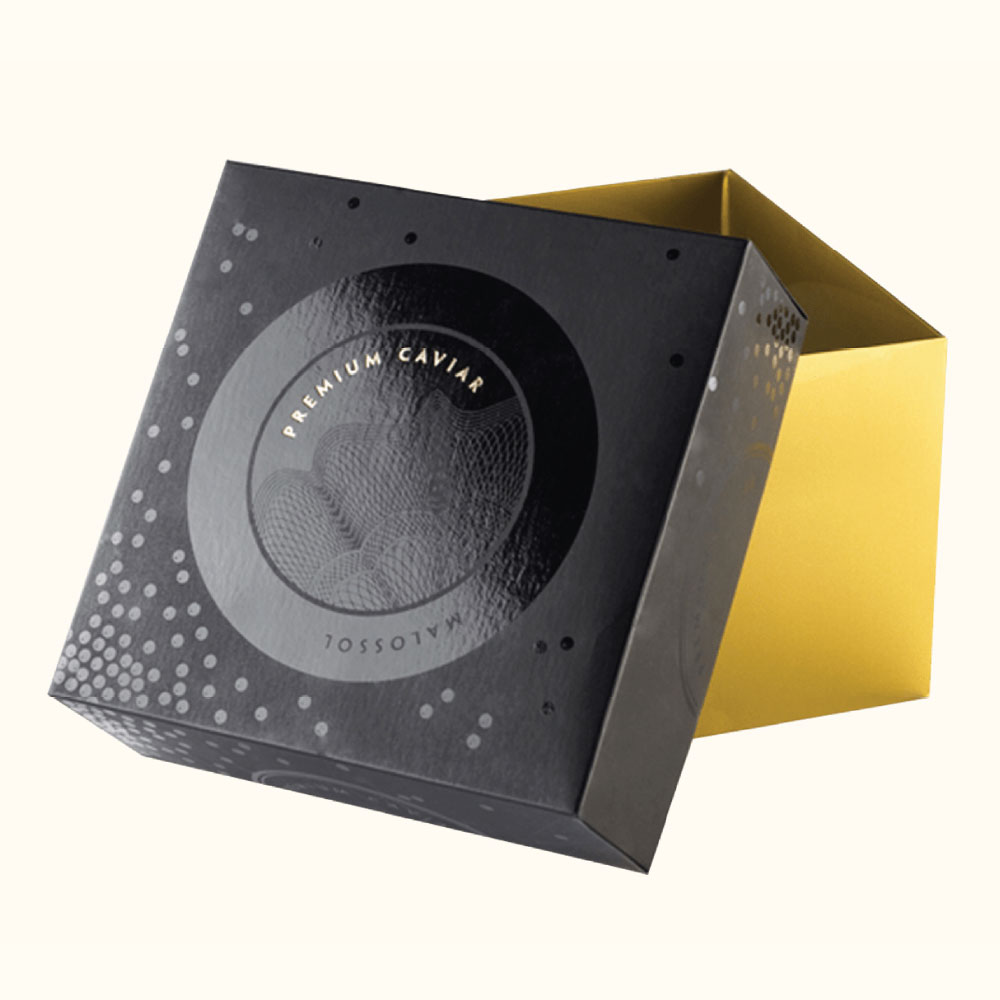
Varnish
Inexpensive option that coats and adds surface protection.
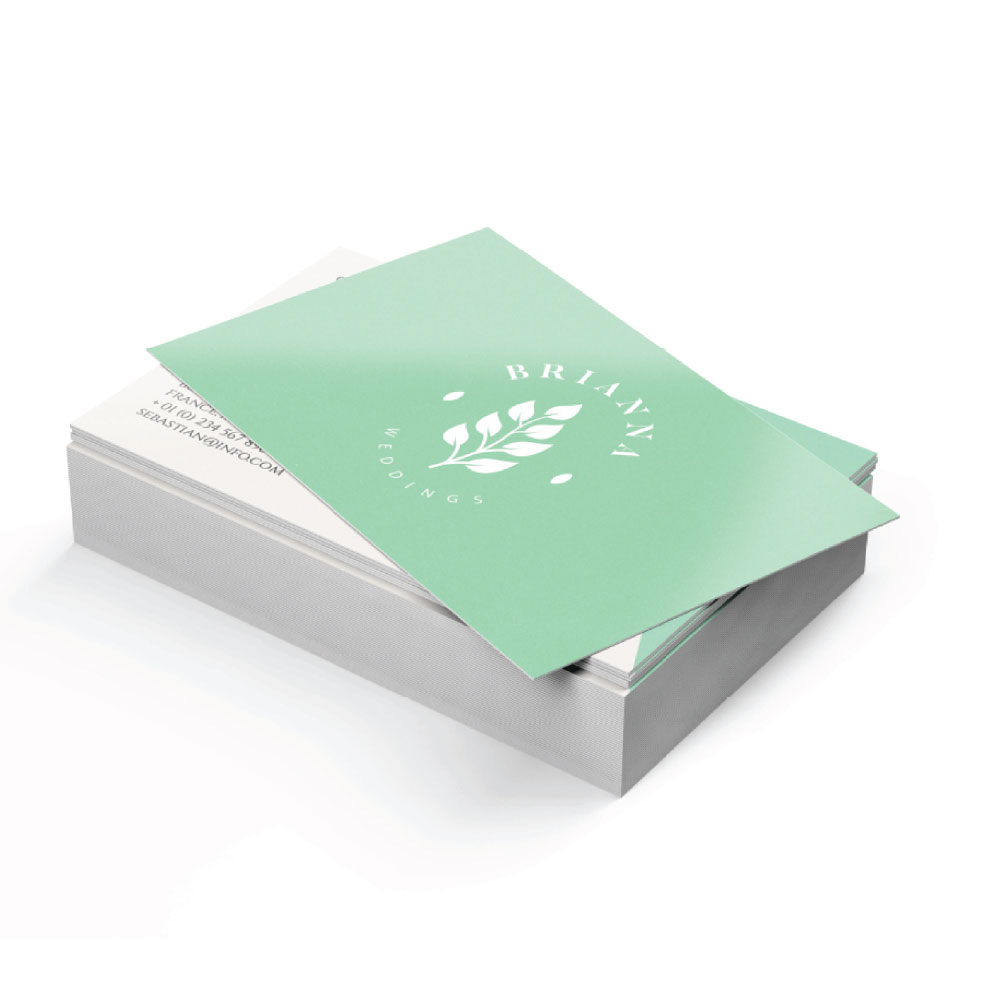
Soft Touch
Ink coating that produces smooth surface. Cheaper alternative to lamination.
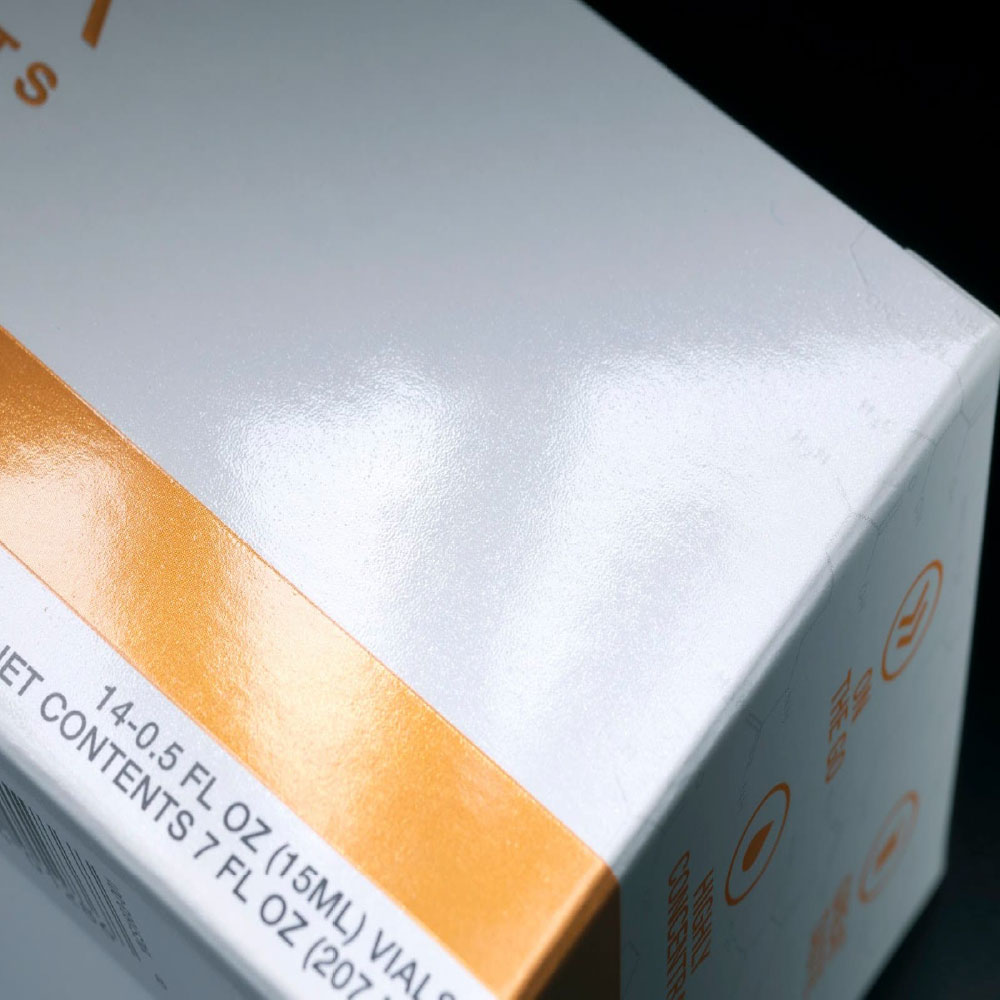
Pearlescent Coating
Give your surface extra decorative shimmer and shine.
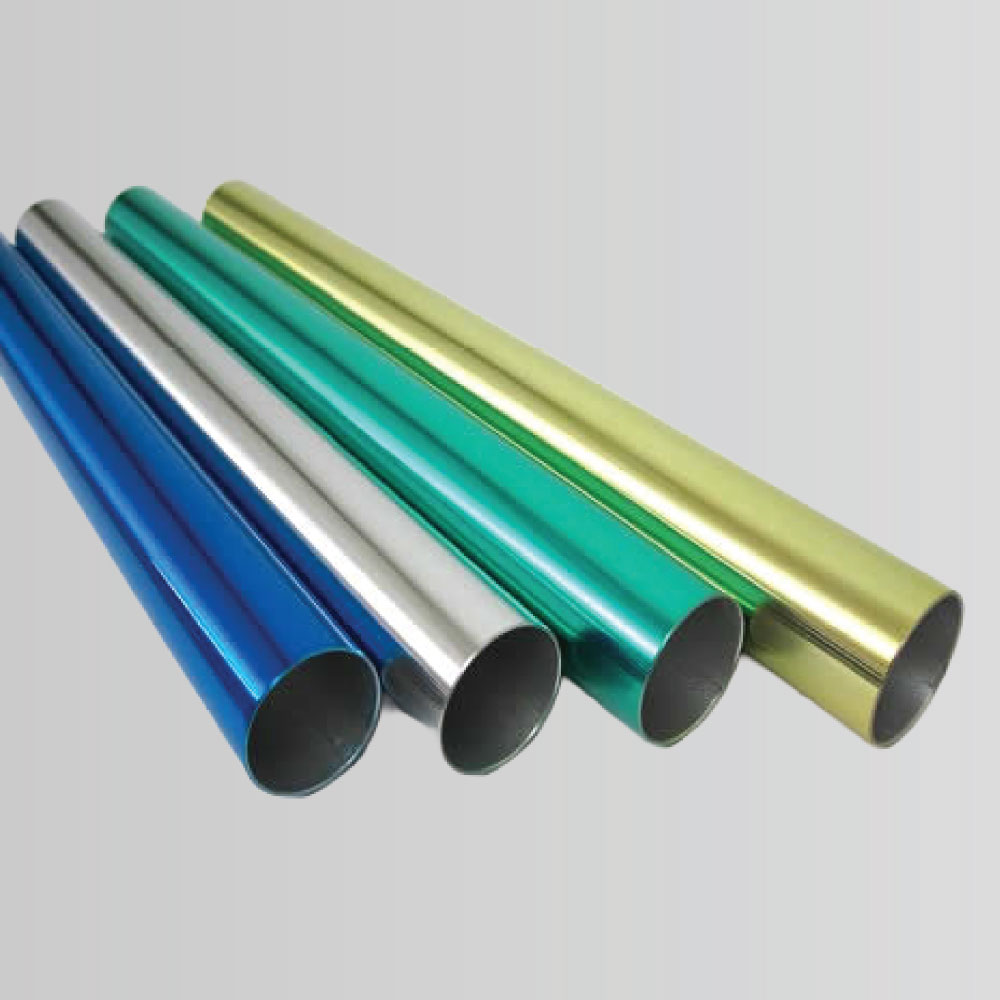
Metallic Coating
Add an extra metallic sheen to your box surface.
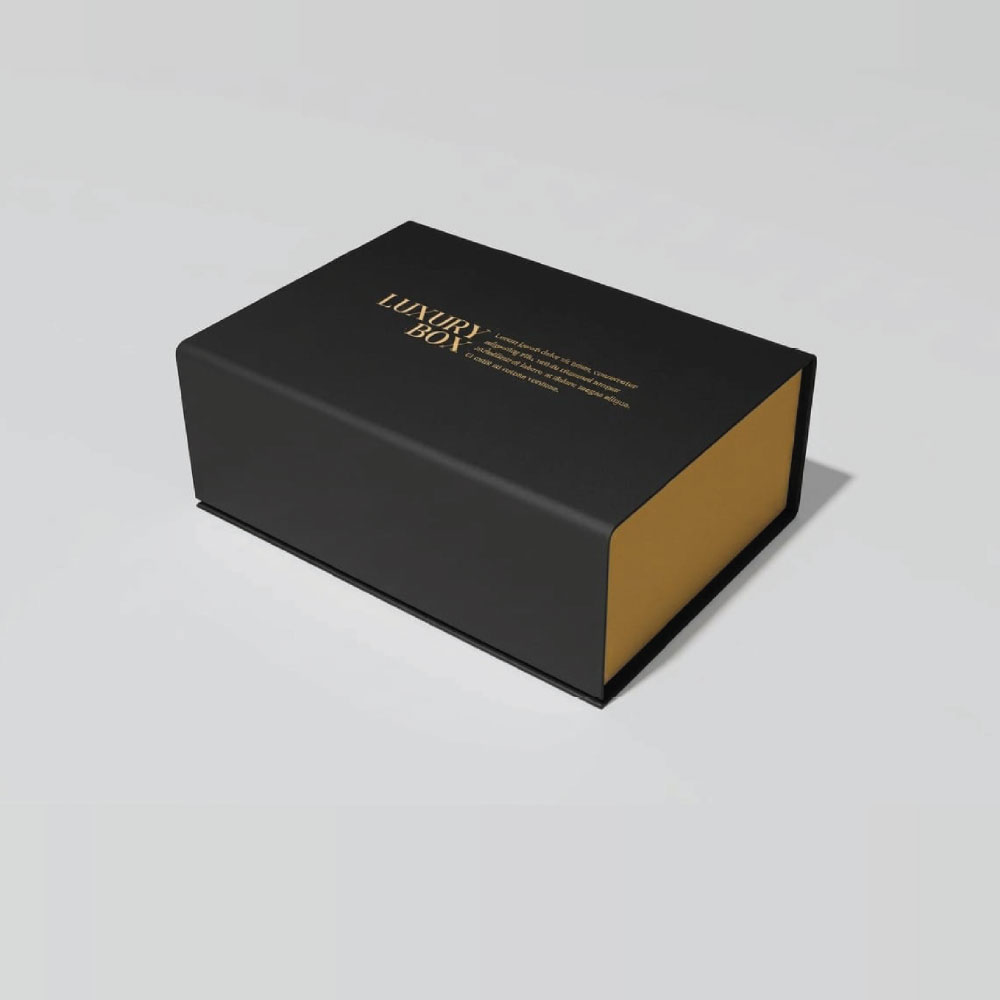
Matte
Special process that creates a raised or recessed pattern on the surface.
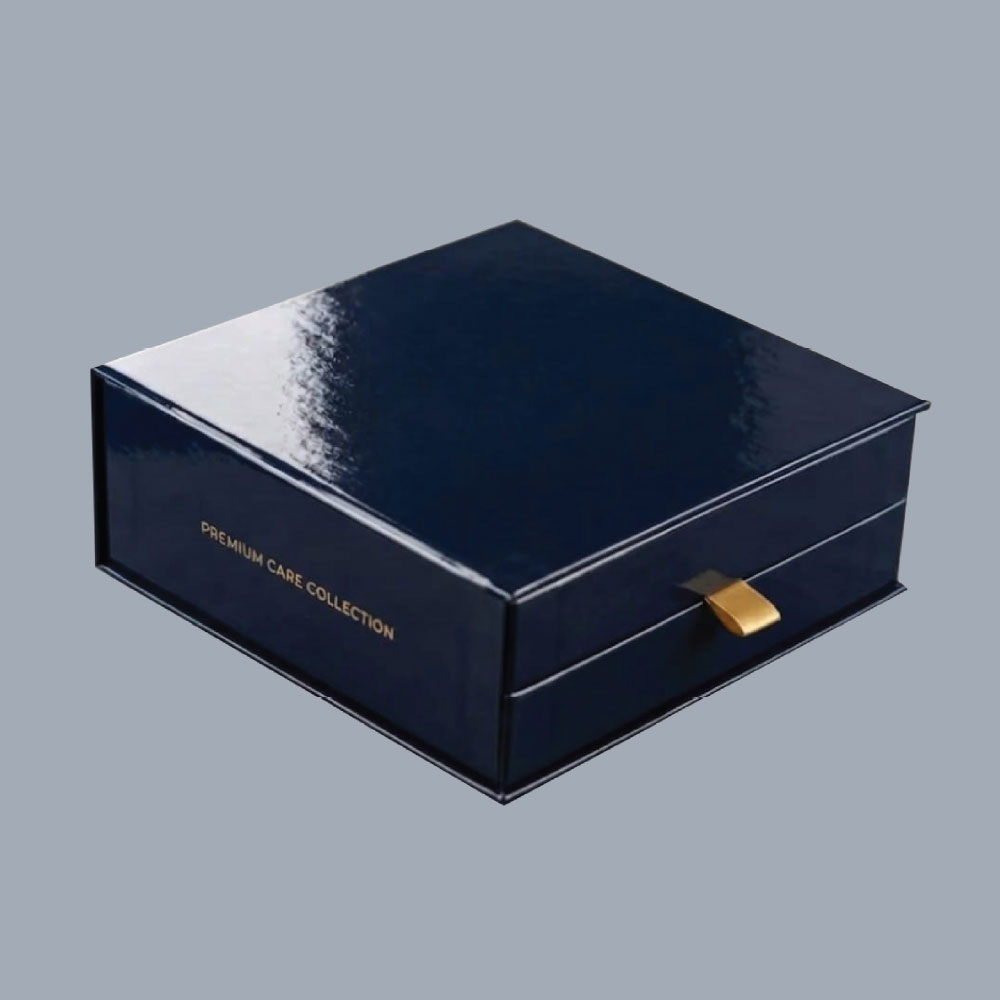
Gloss
Thin layer that gives the box a glossy surface.

Food Coating
Inexpensive option that coats and adds surface protection.
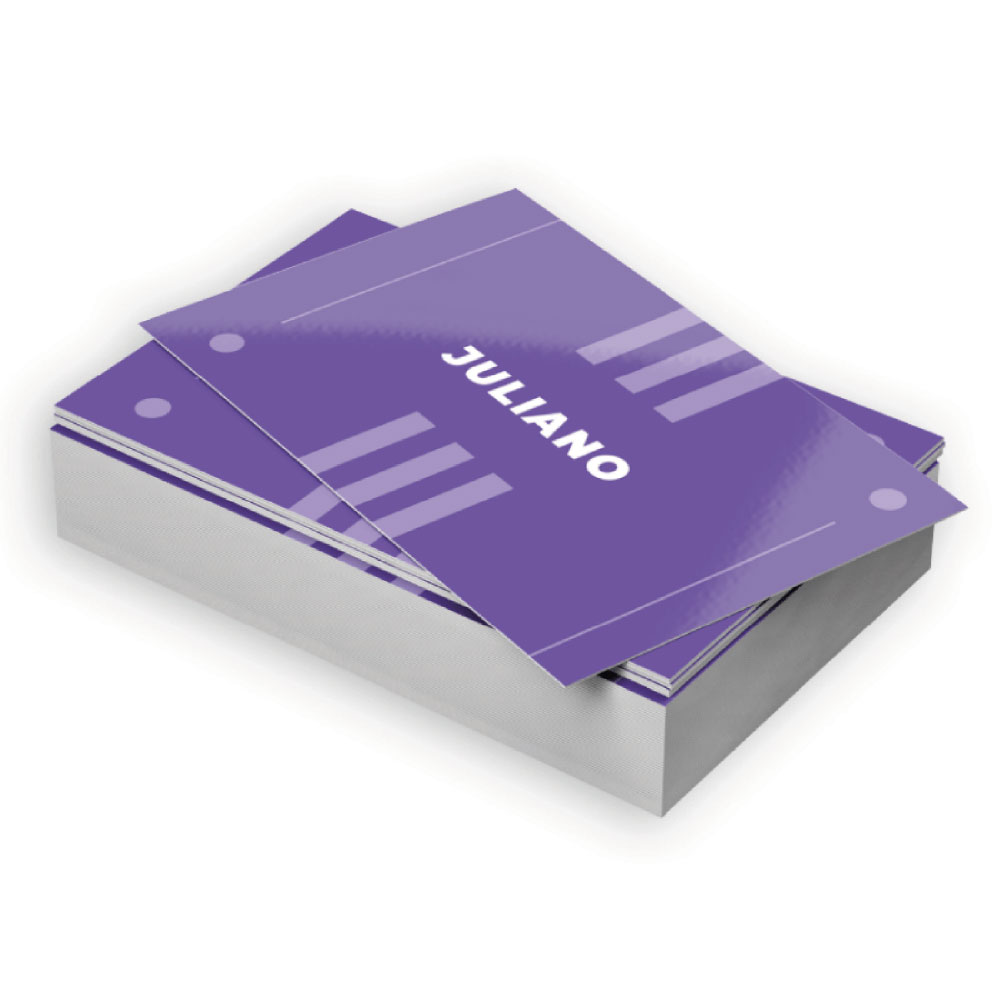
AQ Coating
Ink coating that produces smooth surface. Cheaper alternative to lamination.
Special Capabilities

Unlimited Accessories
Meet your exact needs and preferences with easily personalized handles and buttons.
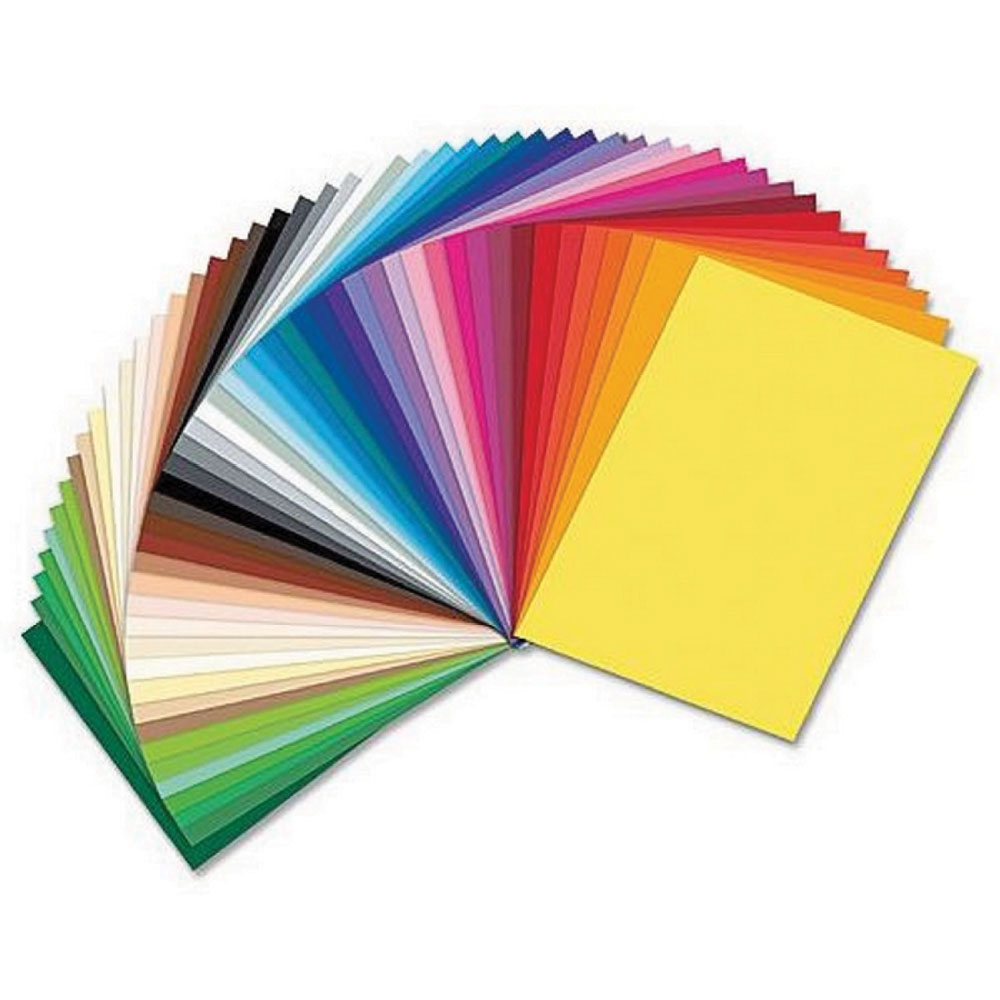
Diversified Papers
Unlimited selection of textured and colored paper.
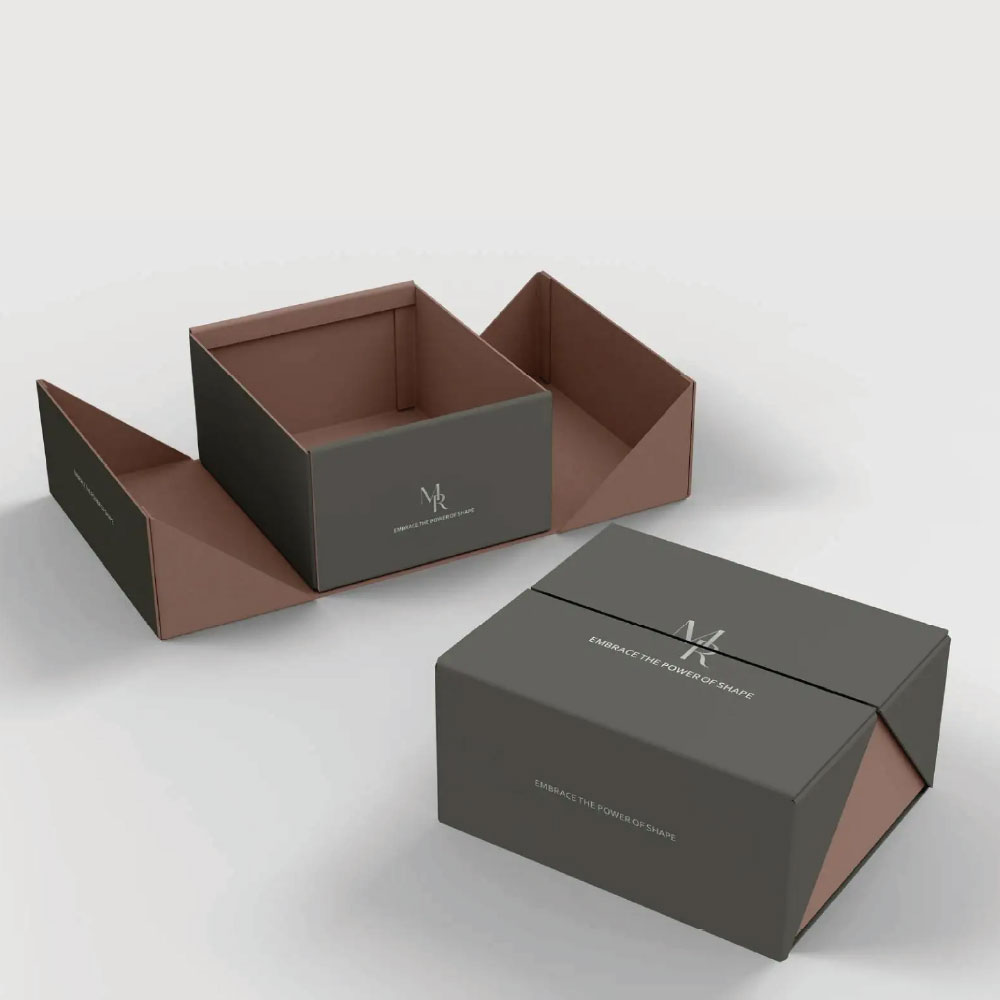
Custom Structure
Fully customized structures tailored to your specifications.

Custom Ribbons
Wide selection of custom luxurious ribbons for you to choose from.

Custom Inserts
Versatile options for a variety of applications to keep products intact.
Material
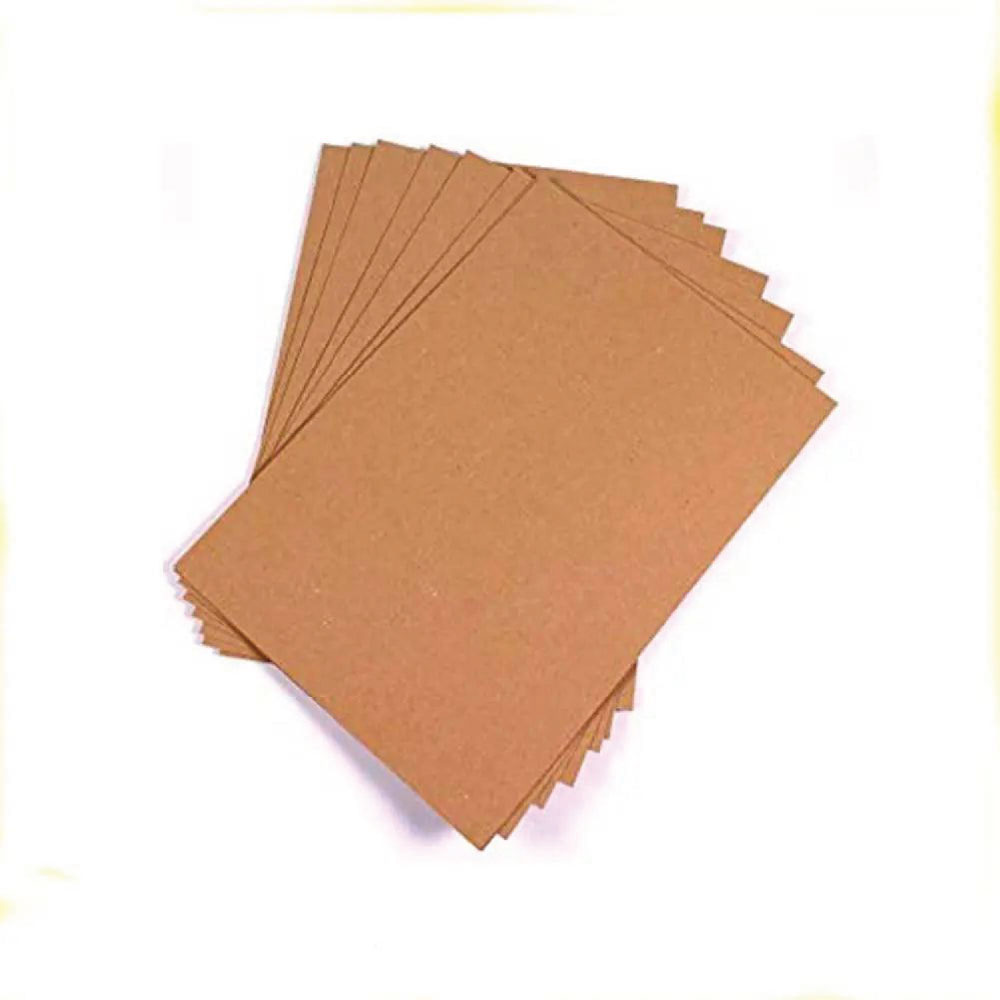
Kraft
Kraft is often used for packaging and ecommerce products because of its durability, elasticity, and environmental benefits.
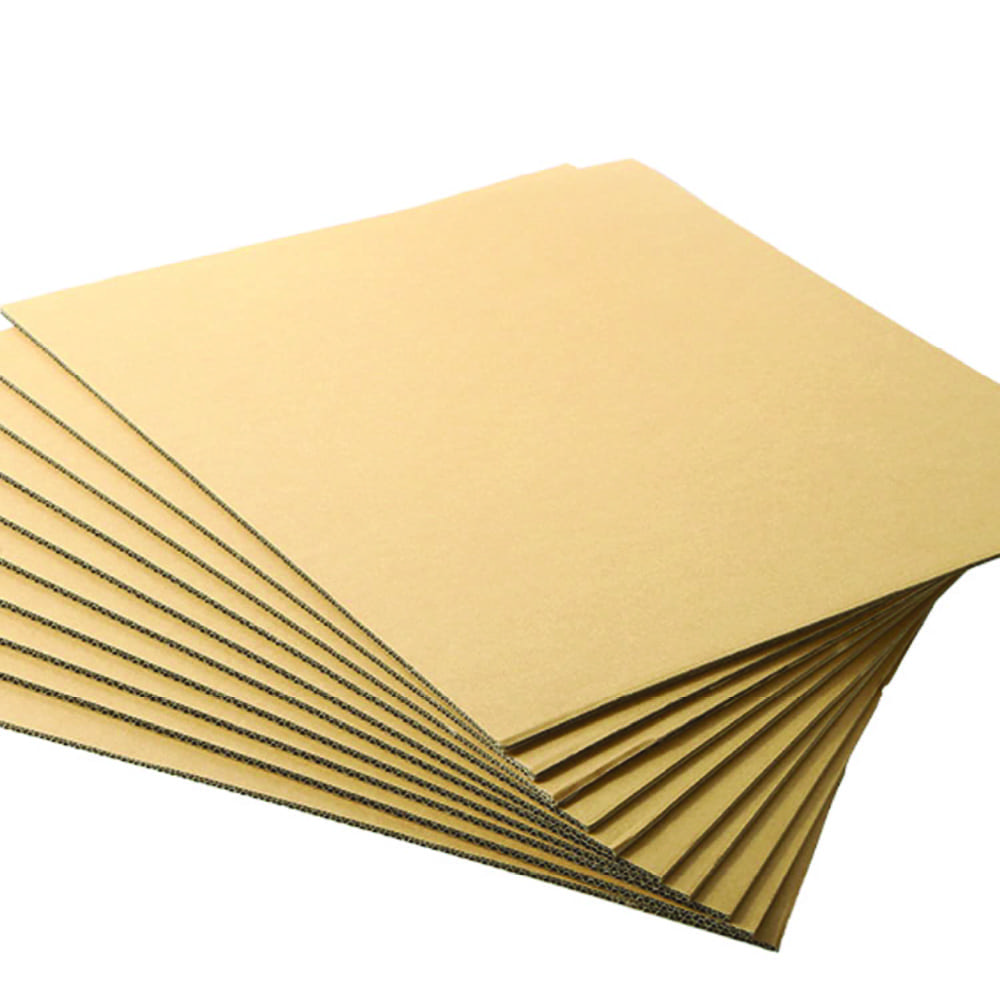
Corrugated
A sturdy packaging material made of three layers of kraft paper. its ideal for heavey or weighted products’ packaging.
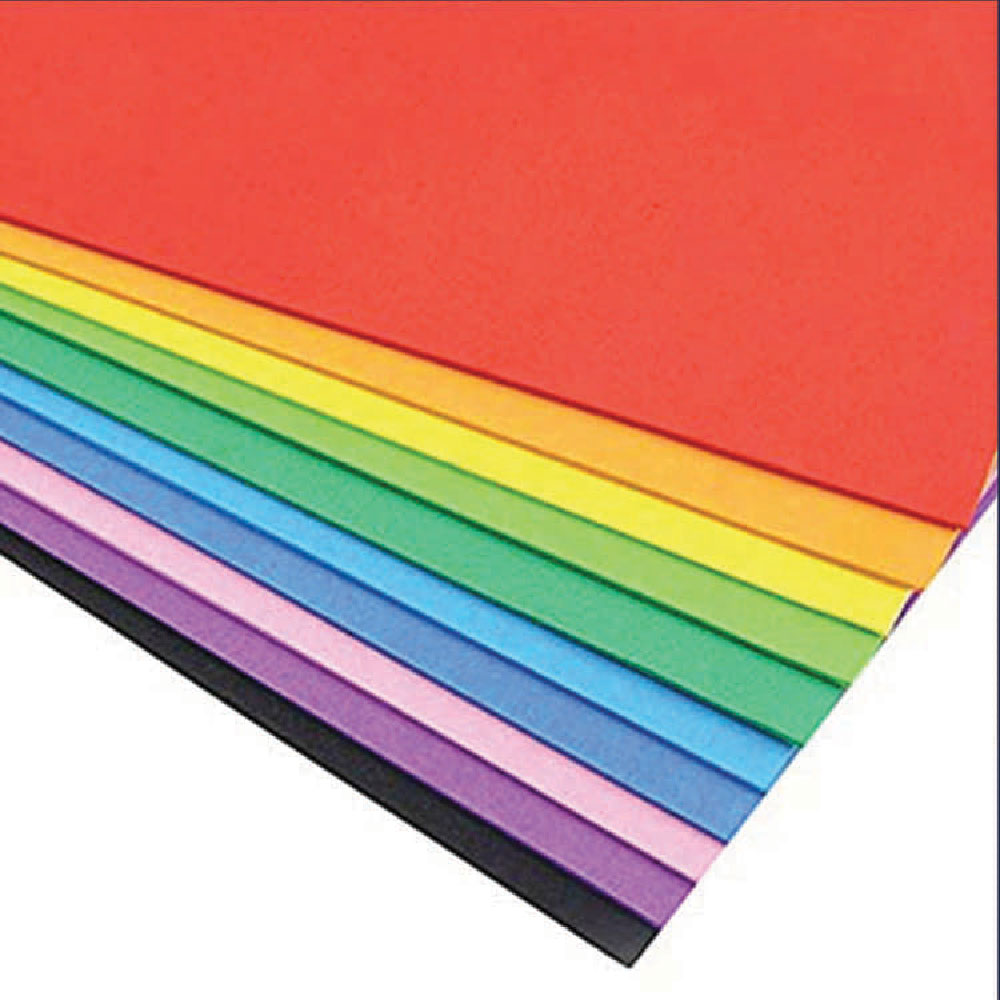
Cardboard
Its made from paper pulp. its strong, lightweight and versatile. its also recycleable.