Description
Premium Finishes
Coating & Lamination
Special Capabilities
Material
Description
Custom tissue boxes are printed cartons designed around the dimensions of a tissue stack, the required dispensing opening, and the branding needs of the product. Because a tissue box describes the packaging application rather than one universal box structure, the closure, base, assembly method, and final dimensions can vary according to the project. The most important decisions are the tissue-stack size, dispensing layout, carton format, and artwork placement. Businesses ordering custom tissue packaging should provide these details together so the final box can be planned around both product fit and presentation.
How Custom Tissue Boxes Work
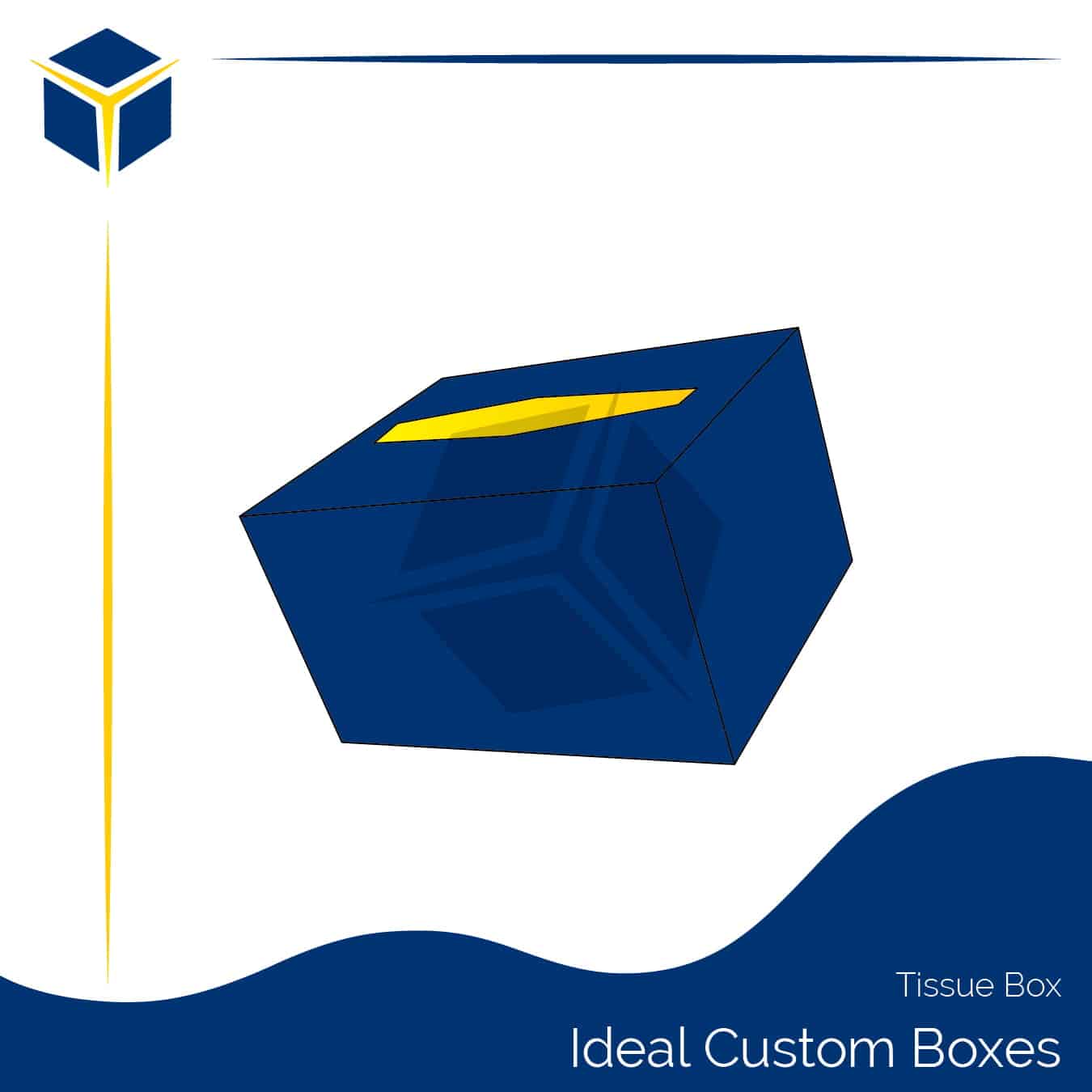
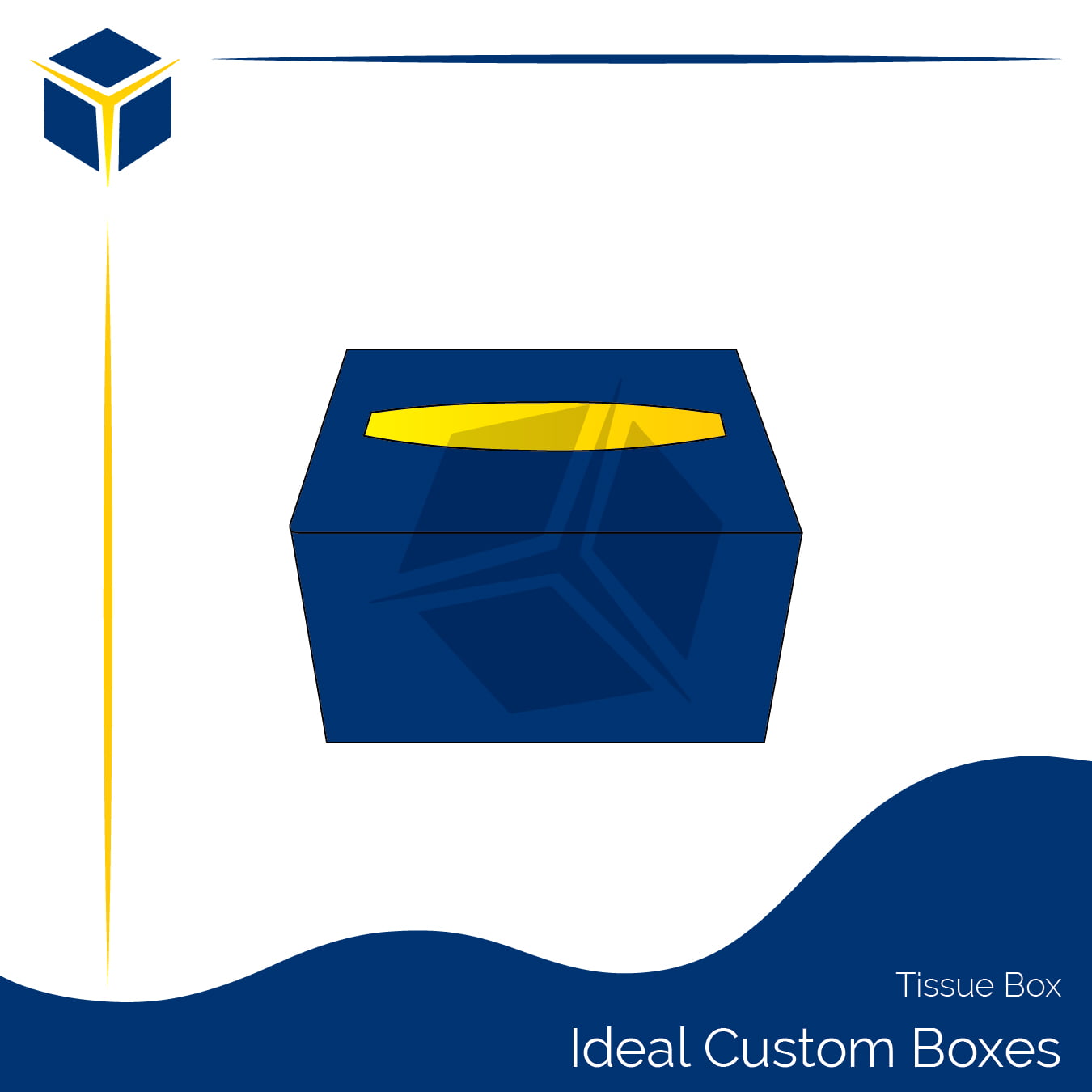
A custom tissue box combines an outer carton with a dispensing opening that provides access to the tissues stored inside. The size and position of that opening should be considered alongside the dimensions of the tissue stack so the packaging is planned as one complete structure. The rest of the carton construction can vary depending on the selected format. A tissue box does not automatically define one closure, base, or folding method.
Two requirements should therefore be considered separately:
- Product fit: The length, width, and height of the tissue stack and how the tissues need to be accessed.
- Carton construction: The box format, closure, base, and assembly method selected for the packaging.
This approach helps prevent a structural decision from being made only on appearance while overlooking how the tissues will fit and dispense.
How to Size a Custom Tissue Box
The most reliable starting point is the actual tissue stack rather than a generic outside box dimension. Measure the stack’s length, width, and height and consider where the dispensing opening needs to sit before finalizing the carton dimensions.
For a custom quote, it is useful to provide:
- Tissue-stack length
- Tissue-stack width
- Tissue-stack height
- Preferred dispensing-opening position or requirement
- Required quantity
- Artwork or branding information
- Delivery ZIP code
If you are still comparing common dimensions, our Tissue Box Size Guide can help you review typical formats before submitting the measurements for your own product.
Choosing the Right Carton Structure
A tissue box is defined by what the packaging is used for, not by one universal closure or base construction. The most suitable carton structure depends on factors such as the tissue-stack dimensions, dispensing layout, packing process, presentation requirements, and how the finished package will be handled.
When comparing structural options, consider:
- How the carton opens and closes
- How the base is formed
- Whether assembly is required
- How the structure works with the dispensing opening
- How much printable surface is available
- How the box will be packed and stored
The final construction should be selected from the complete packaging requirement rather than from the name of a box style alone.
Where Custom Tissue Boxes Are Used
Custom tissue packaging can be created for commercial environments where tissues need to be presented in a branded dispensing carton.
Common applications include:
- Retail brands: Printed tissue cartons that combine product packaging with brand information and graphics.
- Hospitality businesses: Tissue packaging designed around the required room, counter, or service presentation.
- Offices and corporate settings: Branded tissue cartons for workplace and visitor-facing areas.
- Salons and spas: Custom packaging where visual presentation and convenient tissue access both matter.
- Promotional projects: Branded tissue cartons created for campaigns, events, or specific presentation requirements.
The dimensions and construction should still be selected from the tissue product and packaging requirements rather than from the industry alone. If you are comparing tissue packaging with boxes for other product types, browse our custom packaging products to explore packaging by application.
Printing and Artwork Planning
Artwork should be planned after the box dimensions, dispensing-opening position, and carton construction have been established. This helps prevent logos, text, instructions, and other important graphics from being positioned across structural cuts, folds, or the dispensing area.
The dispensing opening should be treated as part of the artwork layout rather than as an element added after the graphics are complete.
When preparing a custom tissue-box project, consider:
- Logo position
- Product or brand information
- Dispensing-opening location
- Fold and cut areas
- Front, side, and top-panel artwork
- Required visual hierarchy
- Any special branding requirements
If artwork is already available, include it with the quote request so it can be reviewed against the final box dimensions and structure.
Material Selection
Material selection should be based on the dimensions of the tissue box, the selected carton construction, printing requirements, presentation goals, and intended handling conditions.
Instead of choosing material only by appearance, consider how it needs to work with:
- The overall box dimensions
- The dispensing opening
- The selected closure and base
- Printed graphics
- Folding and assembly requirements
- The intended presentation of the finished package
Exact material and board specifications should be finalized as part of the project requirements rather than assumed from a standard tissue-box configuration.
Design Considerations and Tradeoffs
A custom tissue box needs to balance product fit, dispensing access, carton construction, and available branding space.
Important considerations include:
- Tissue fit: The box should be planned from the actual tissue-stack dimensions rather than an arbitrary standard size.
- Dispensing access: The opening should be positioned according to how the tissues need to be presented and removed.
- Carton construction: Closure, base, and assembly requirements can change with the structural format selected.
- Artwork space: Cuts, folds, and the dispensing opening affect where important graphics can be positioned.
- Packing requirements: The selected structure should also suit the way the cartons will be packed, handled, and prepared for use.
- Design complexity: More elaborate structural or dispensing requirements may require additional project details before the final layout can be prepared.
The best solution depends on the complete packaging requirement rather than one feature in isolation.
Sustainability and Material Requirements
If sustainability requirements are important to your project, include them when requesting a quote so available material and packaging options can be reviewed against those requirements.
Environmental characteristics can depend on the exact material, coatings, printing, finishing, and other components selected for the final packaging. For that reason, claims such as recyclability, recycled content, biodegradability, compostability, or certification should be confirmed for the specific packaging configuration rather than assumed for every custom tissue box.
What to Include in Your Tissue Box Quote
Providing clear product information helps define the packaging requirements before the final dimensions and structure are prepared.
Include:
- Tissue-stack dimensions
- Preferred box dimensions, if already established
- Dispensing-opening requirement
- Required quantity
- Artwork or branding files
- Any structural requirement already selected
- Any special material or appearance requirement
- Delivery ZIP code
If you have not selected the carton construction yet, provide the functional and presentation requirements instead of choosing a structure based only on its name.
Artwork and Dieline Requirements
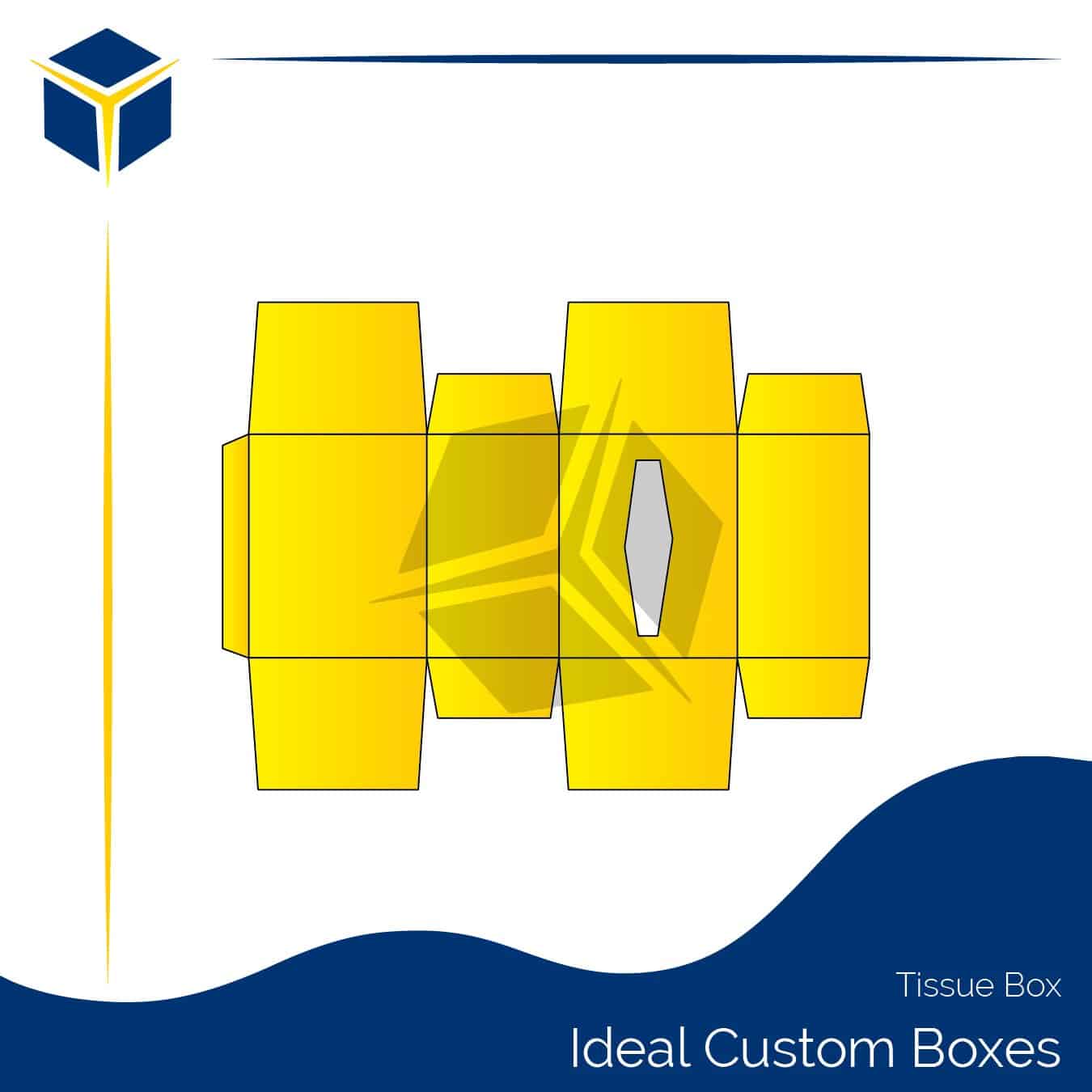
The final artwork layout should correspond with the approved dimensions and carton structure. A dieline identifies the areas used for panels, cuts, folds, and other structural elements, so artwork should not be finalized against dimensions that are still changing.
Before preparing final production artwork, make sure the project has established:
- Final box dimensions
- Tissue-stack dimensions
- Dispensing-opening location
- Selected carton structure
- Required artwork panels
- Important logo and text positions
- Any special structural requirements
Keeping the structural layout and graphics coordinated helps reduce the risk of important artwork falling across folds, cuts, or the dispensing area.
Production Turnaround
Standard production turnaround for custom tissue boxes is 12 to 14 business days. An express turnaround of 6 to 8 business days is also available. Production requirements can vary between custom projects, so provide the complete packaging details when requesting a quote to ensure the applicable schedule is reviewed with the order. Low MOQs are available for custom packaging orders.
For current shipping terms and related order information, review our Shipping Policy.Premium Finishes
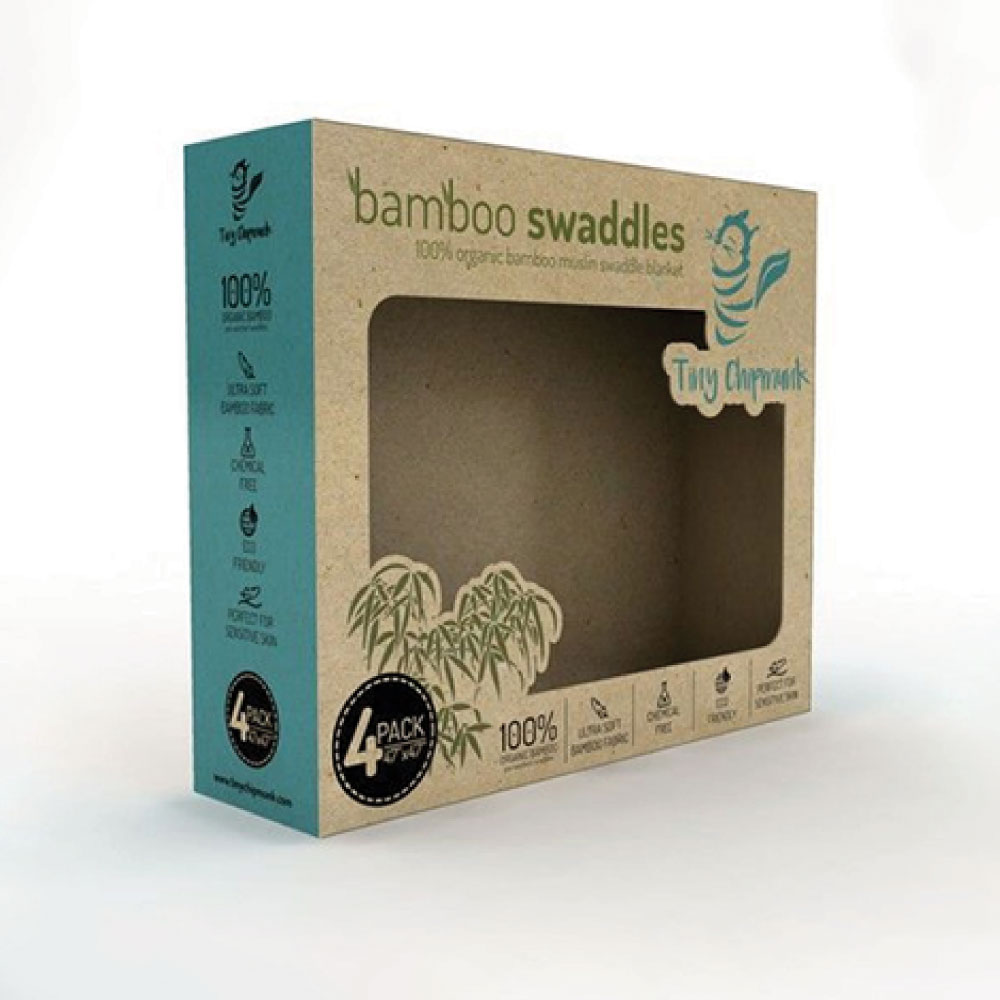
Window Patching
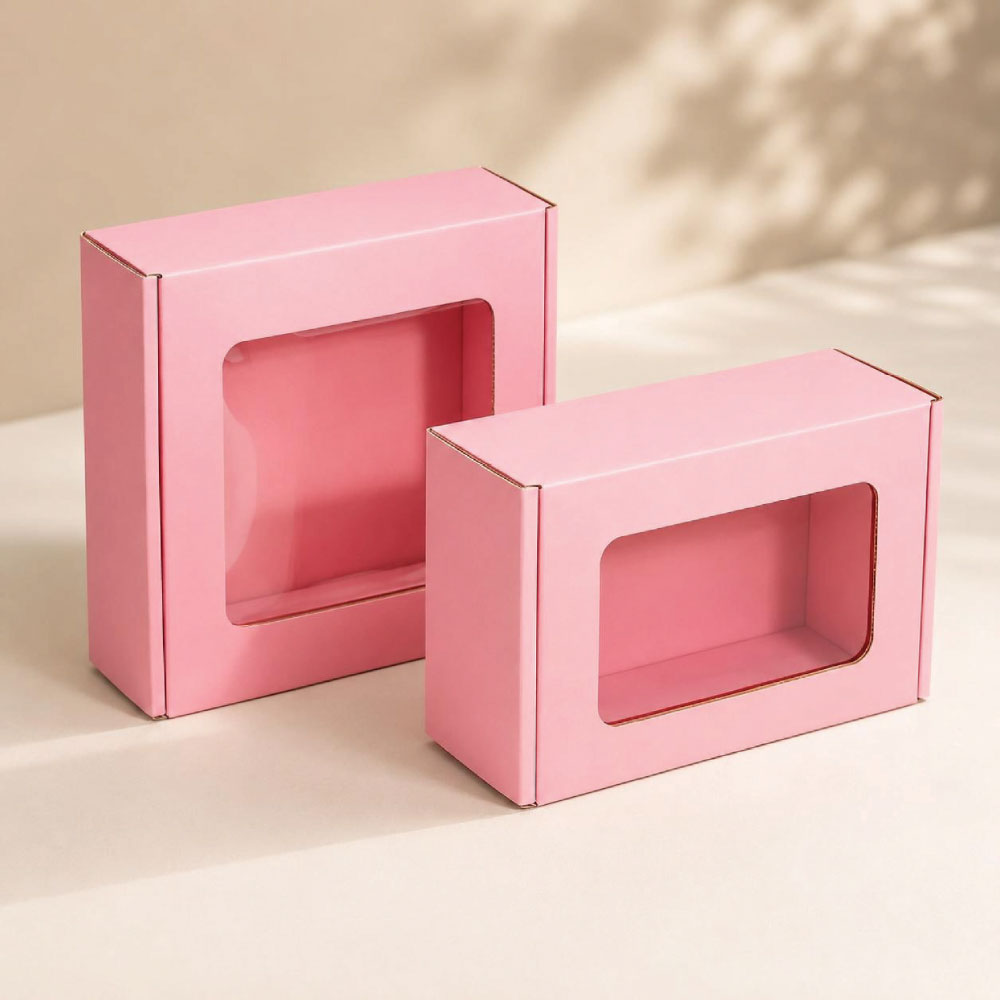
Special technique with a transparent plastic film covering the cut-out.
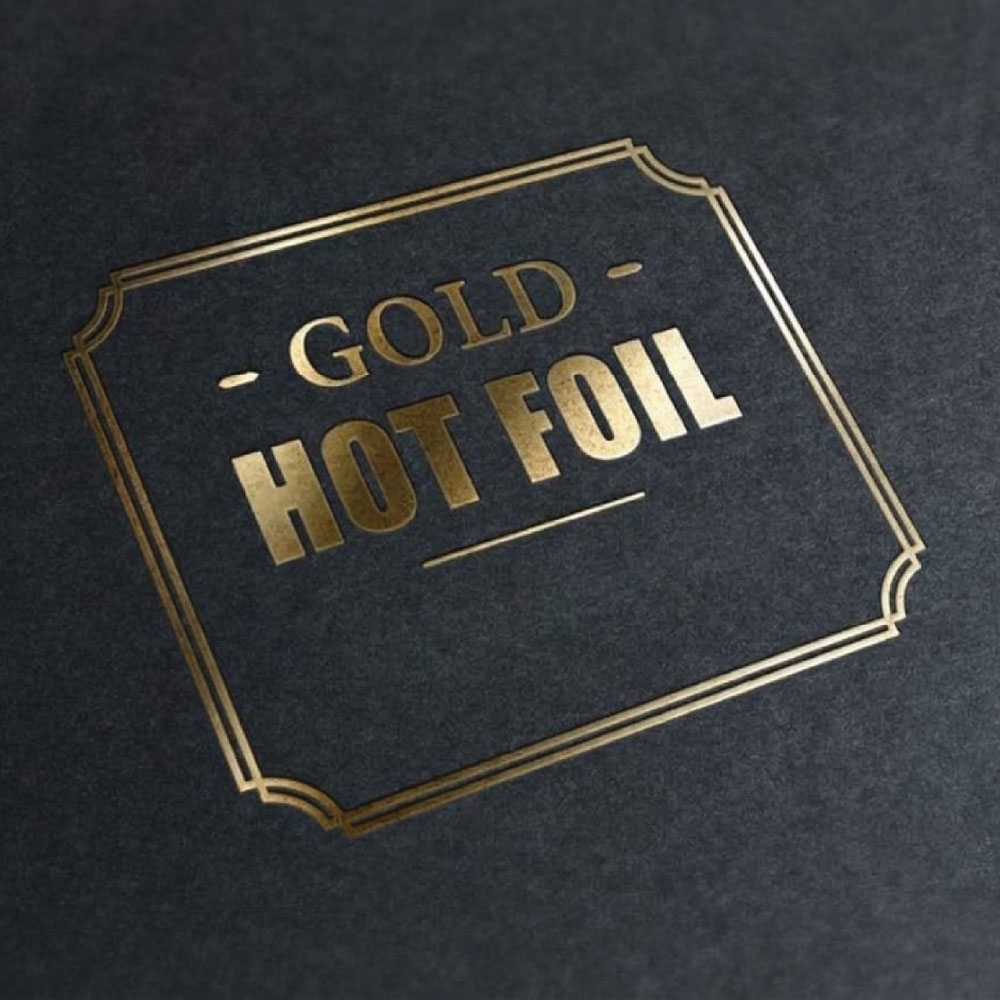
Window Die-cut
Special process where a cut-out is created on the packaging surface.
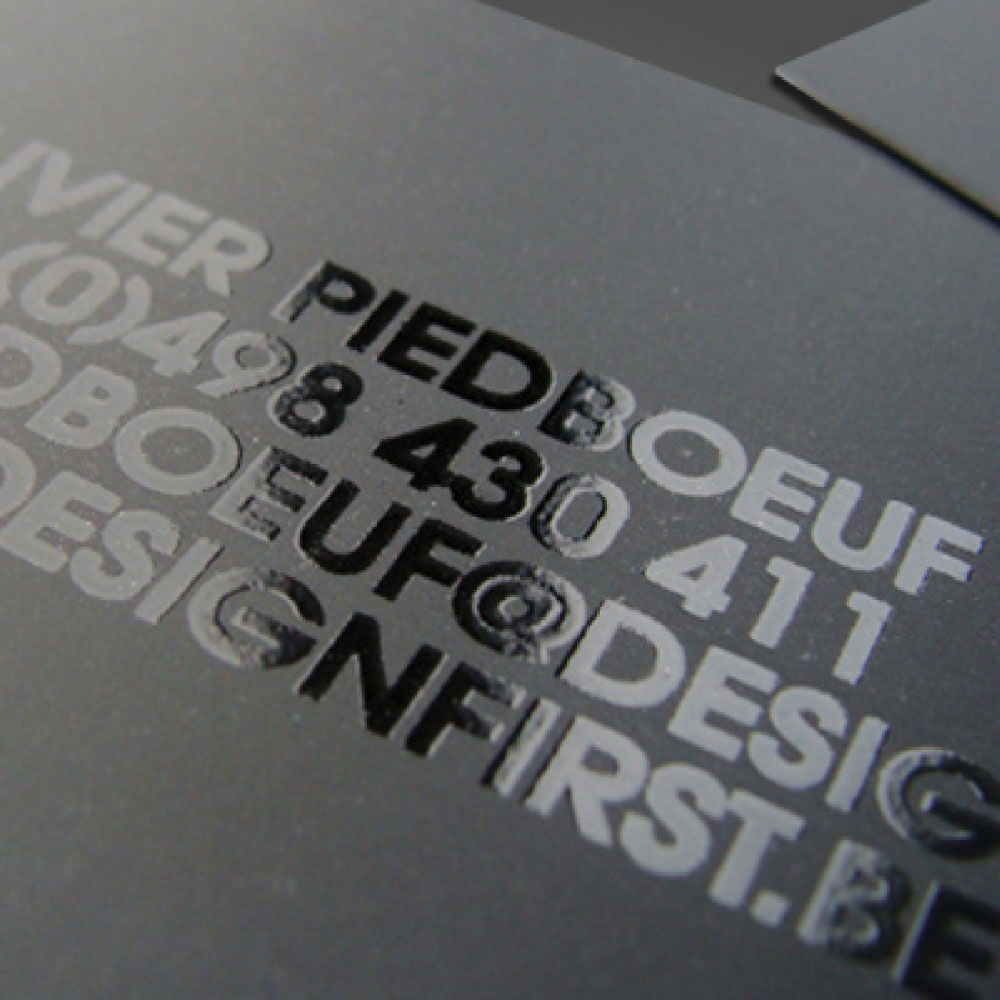
Stamping
Heat transferred foil onto paper surface.
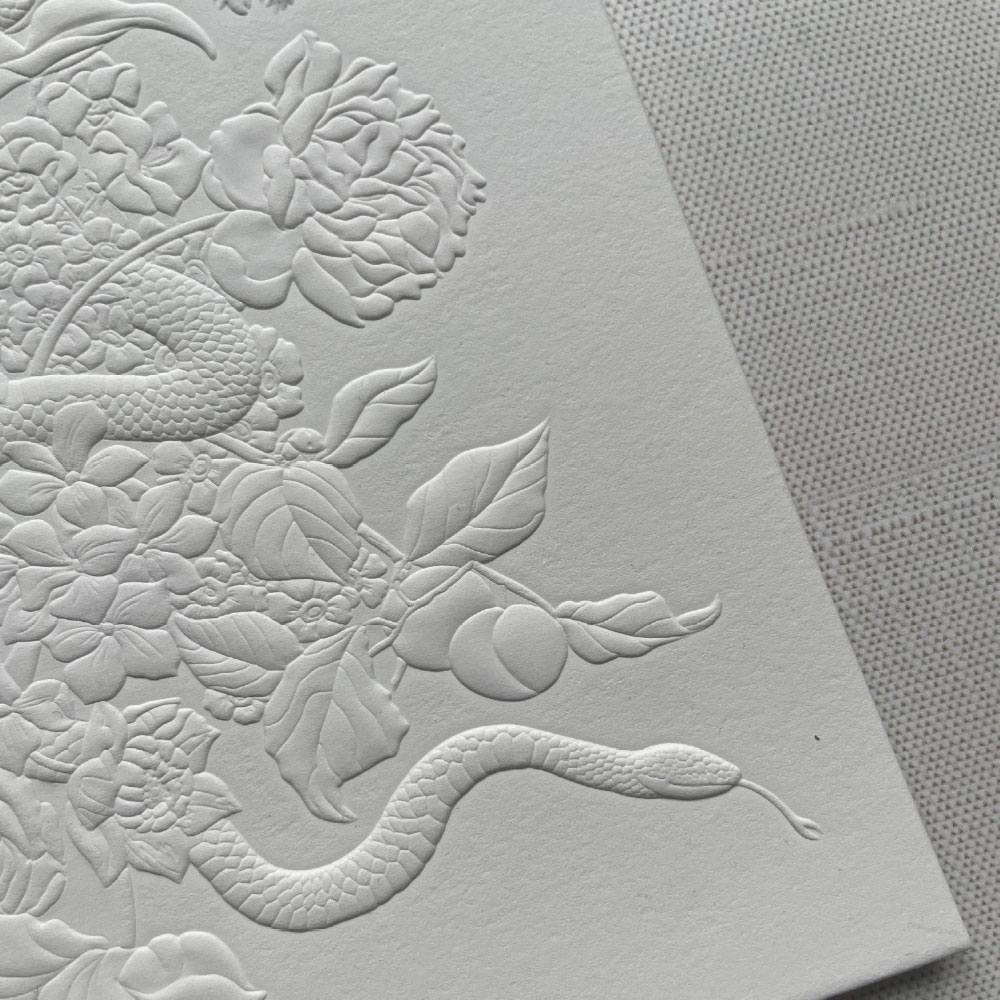
Spot UV
UV gloss coating cured on specific areas.
Emboss
Special process that creates a raised or recessed pattern on the surface.

Deboss
Special process that creates a raised or recessed pattern on the surface.
Coating & Lamination
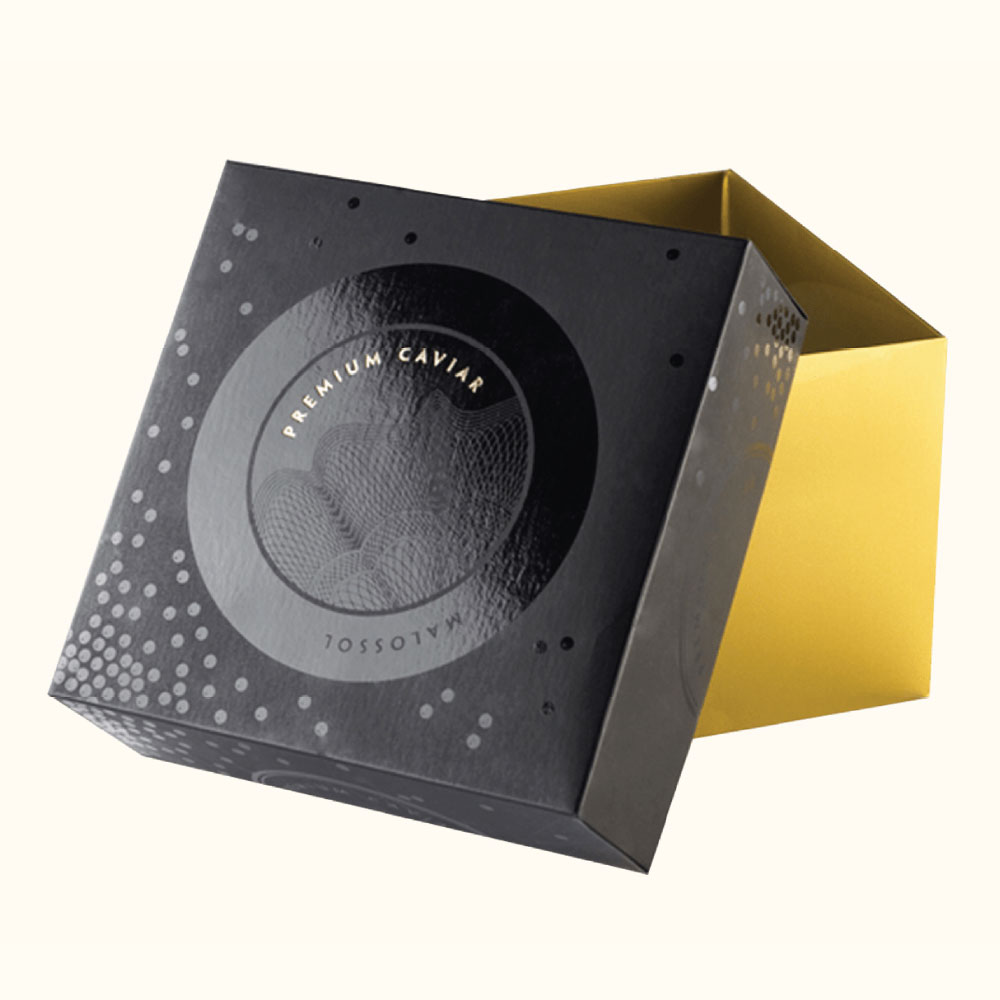
Varnish
Inexpensive option that coats and adds surface protection.
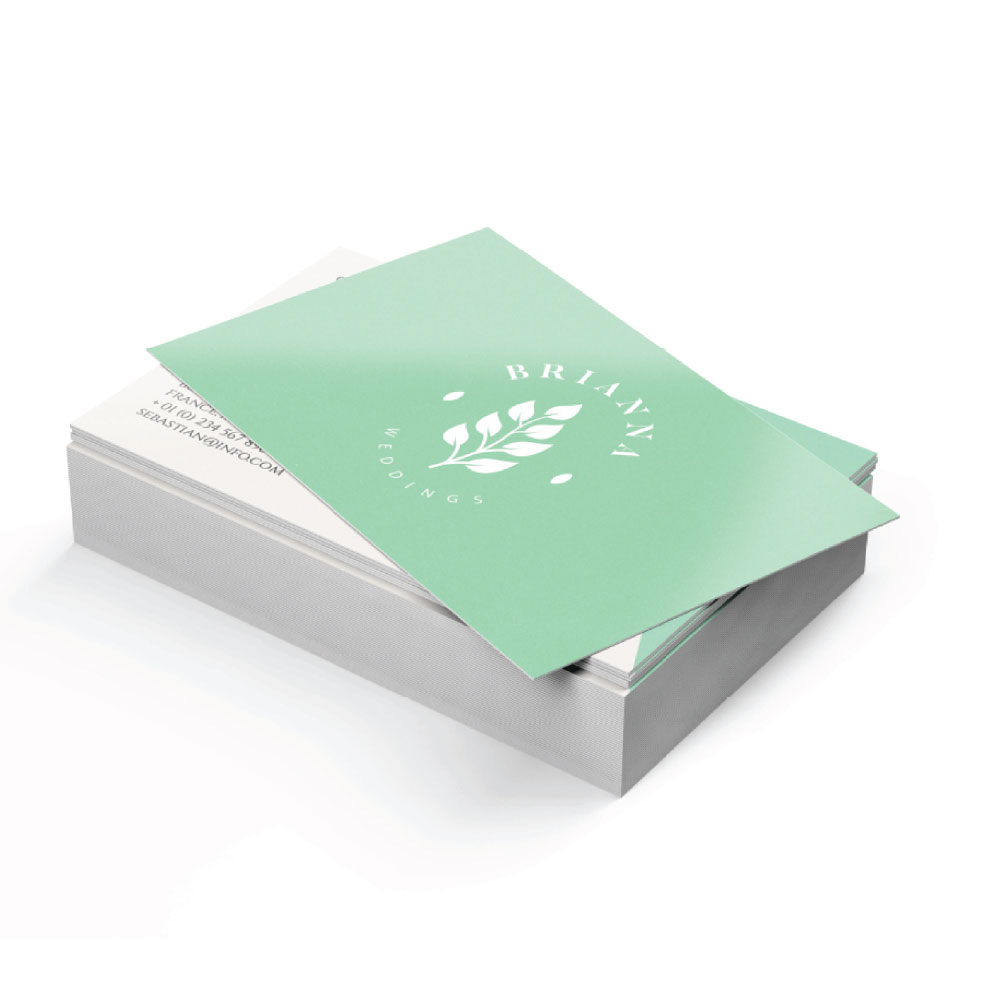
Soft Touch
Ink coating that produces smooth surface. Cheaper alternative to lamination.
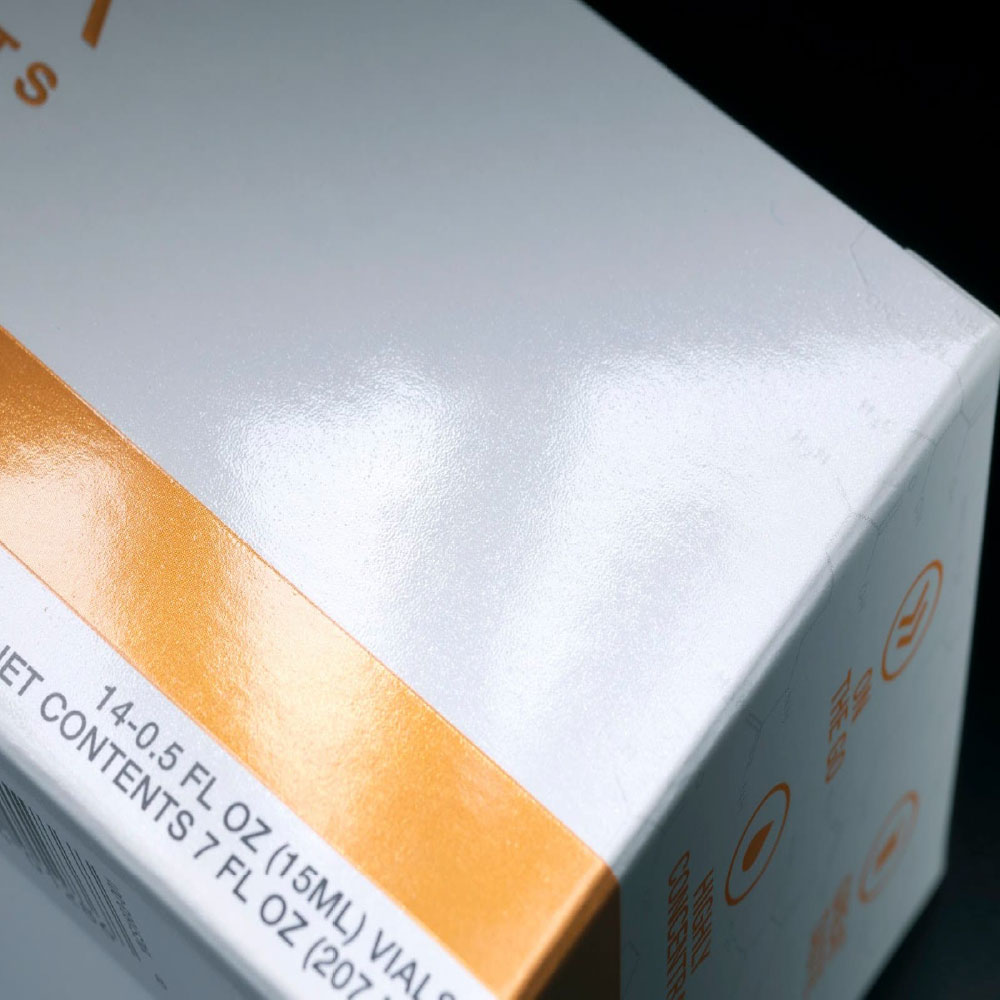
Pearlescent Coating
Give your surface extra decorative shimmer and shine.
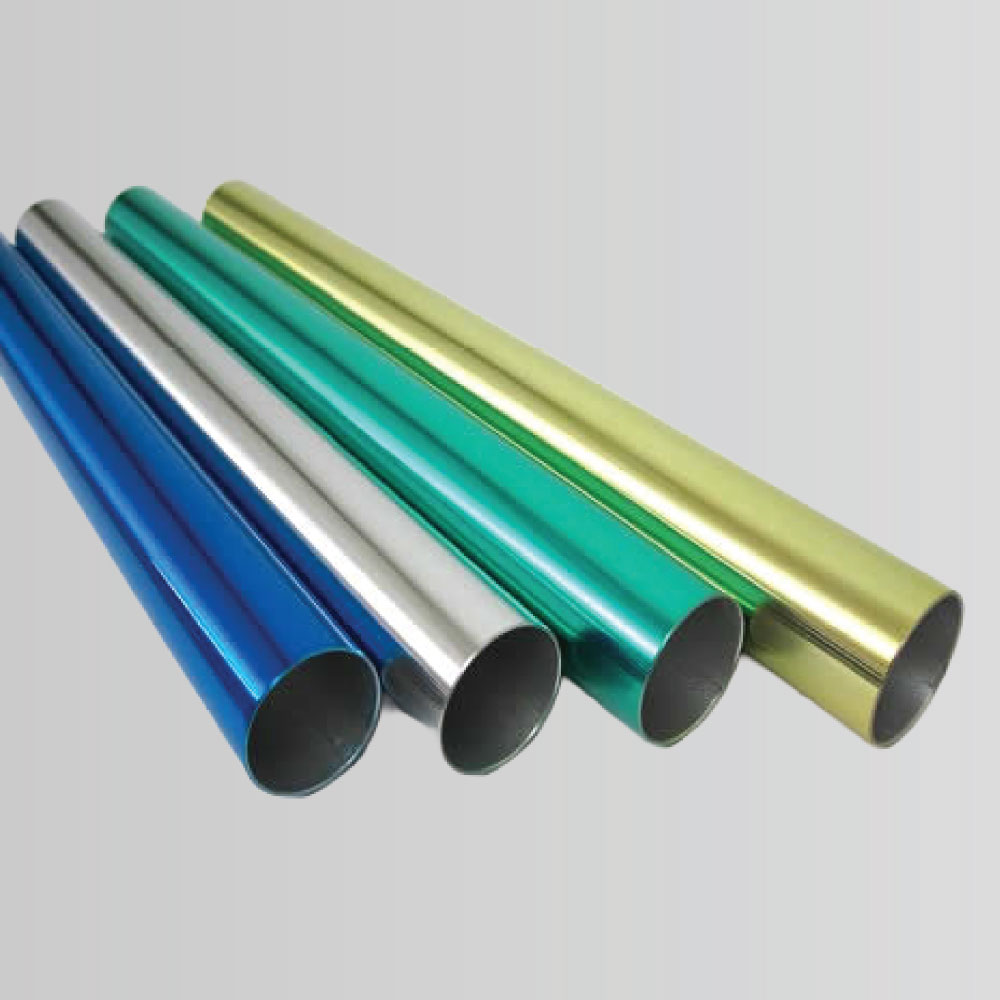
Metallic Coating
Add an extra metallic sheen to your box surface.
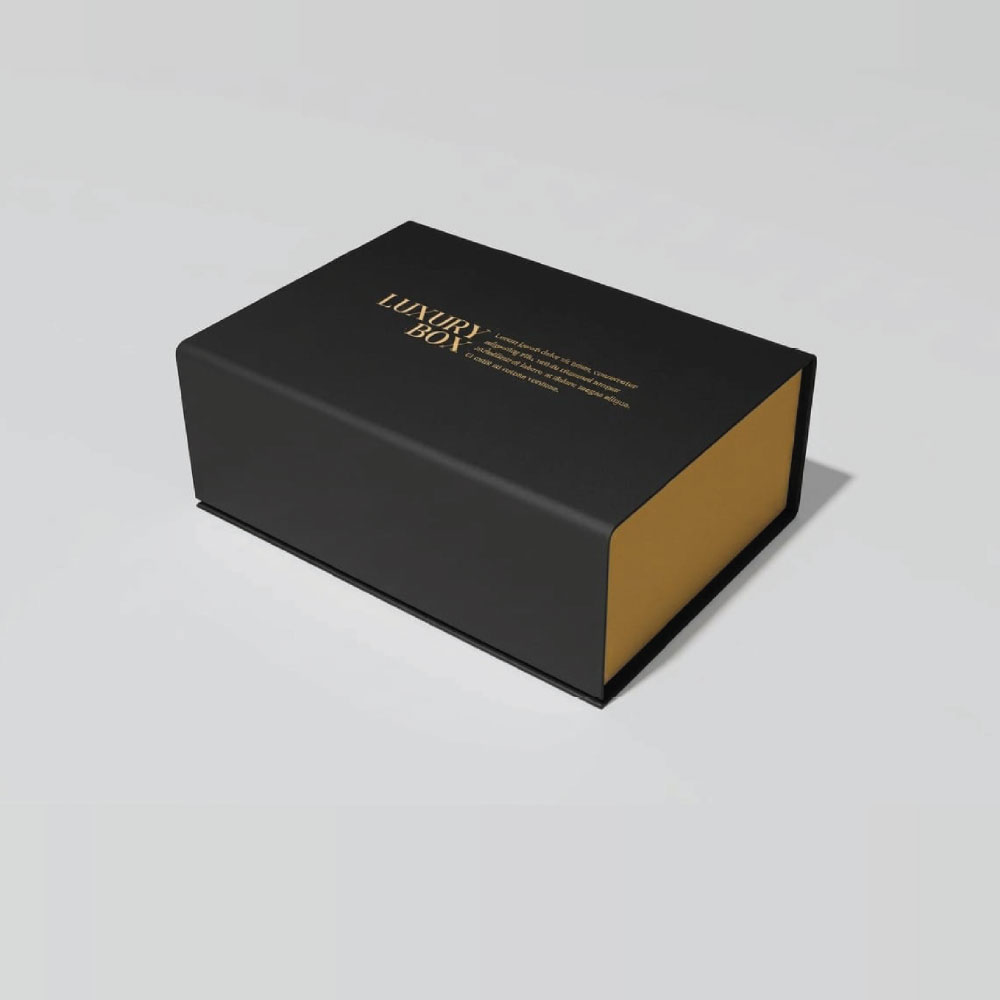
Matte
Special process that creates a raised or recessed pattern on the surface.
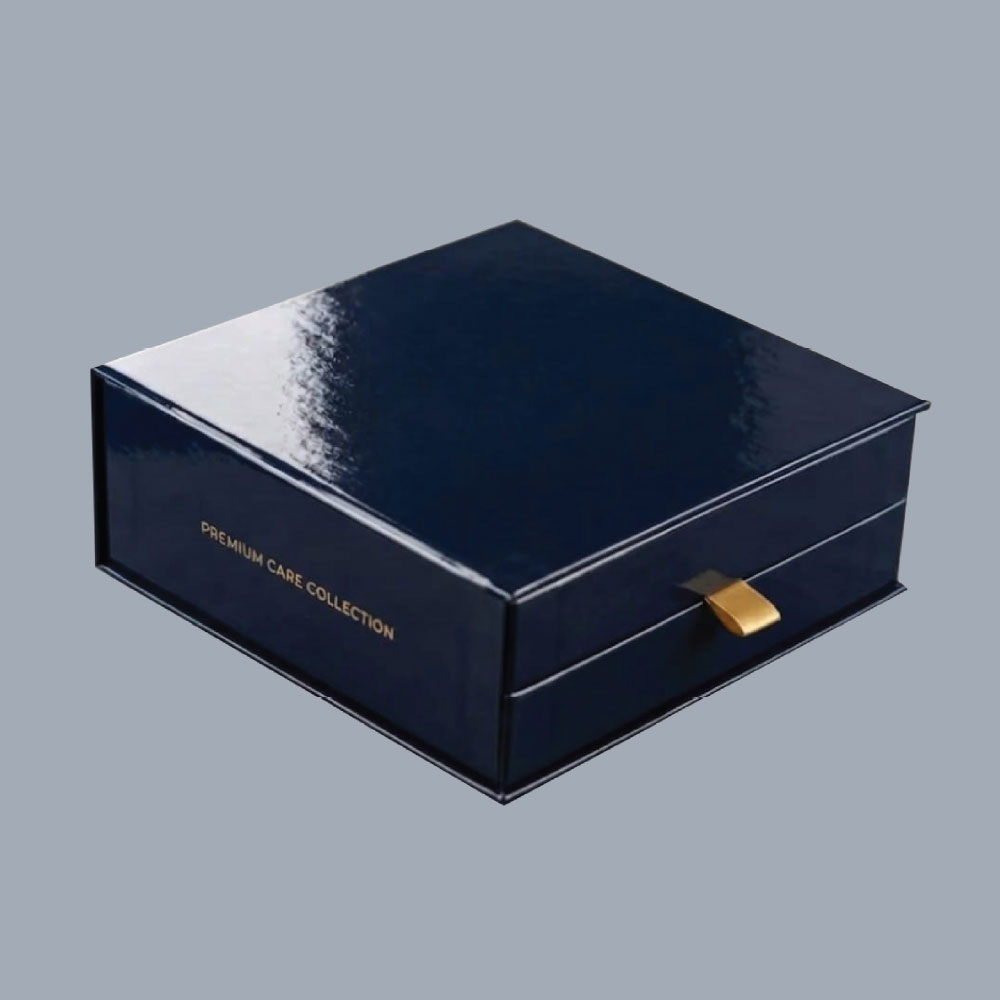
Gloss
Thin layer that gives the box a glossy surface.
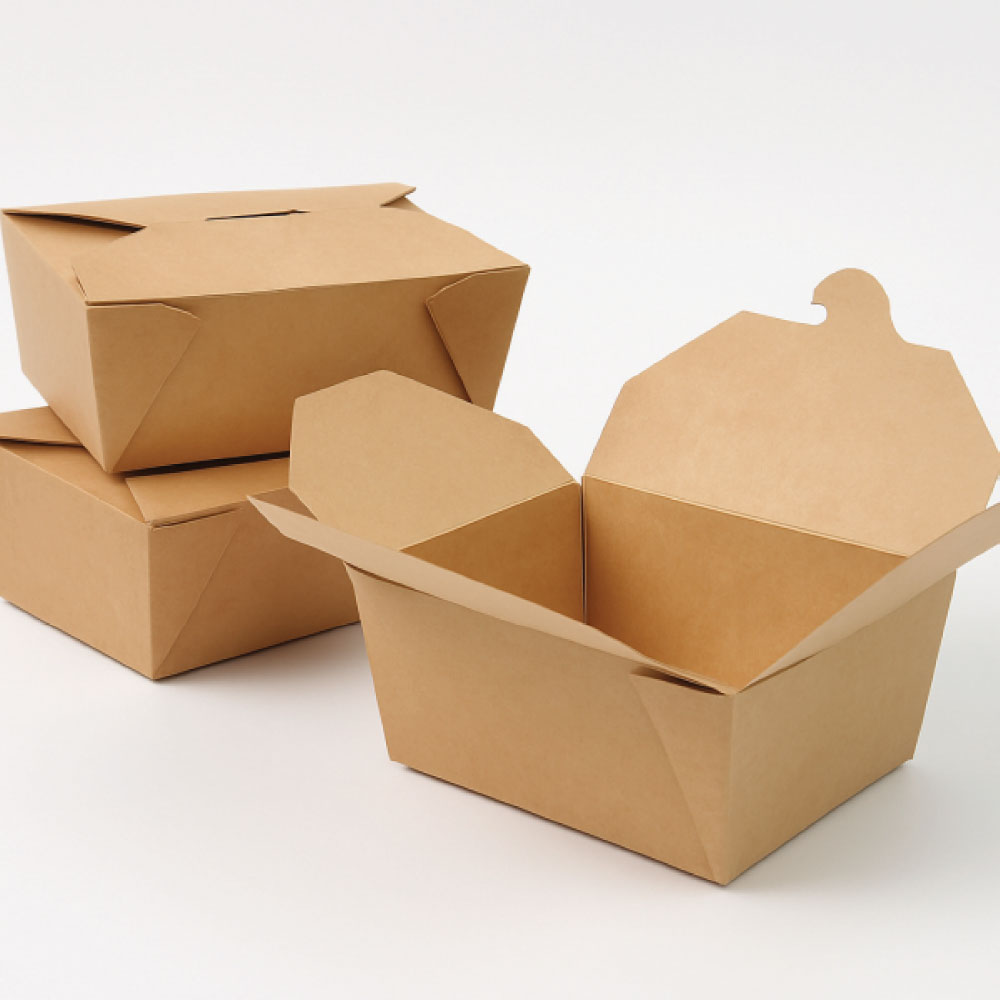
Food Coating
Inexpensive option that coats and adds surface protection.
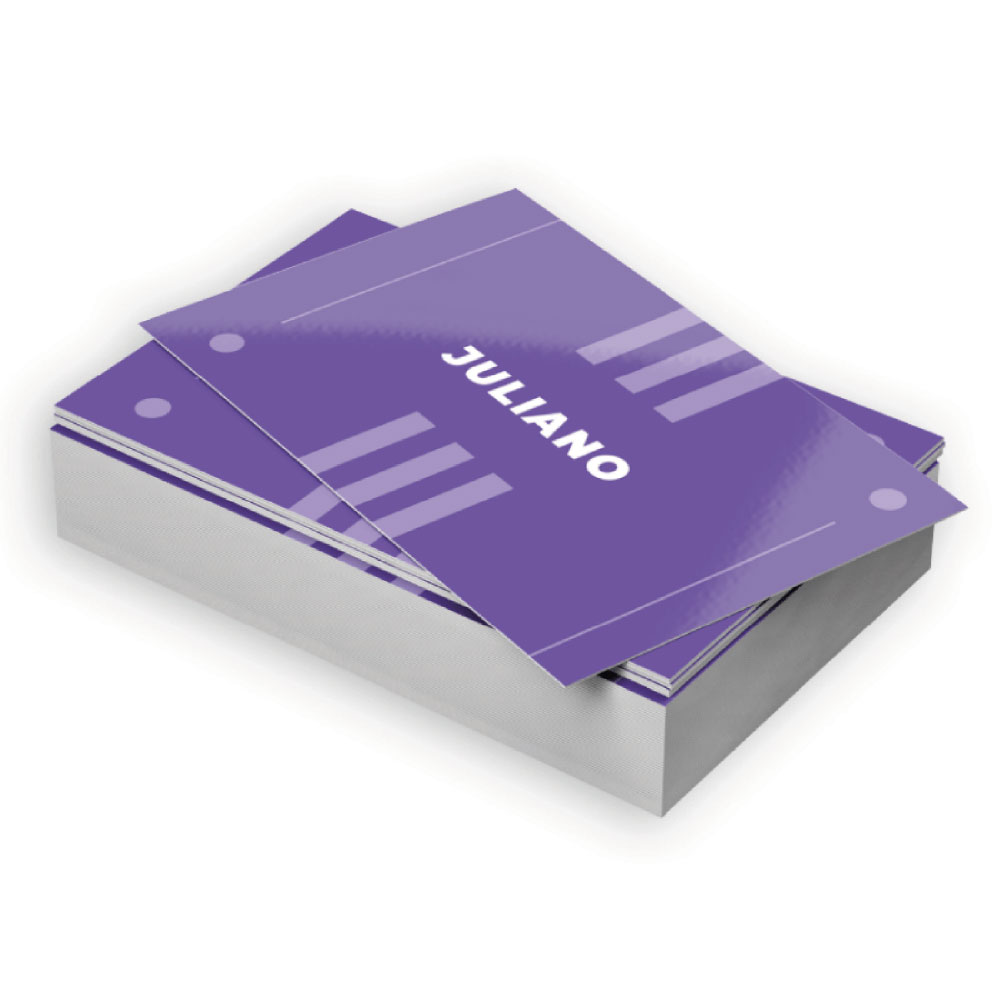
AQ Coating
Ink coating that produces smooth surface. Cheaper alternative to lamination.
Special Capabilities
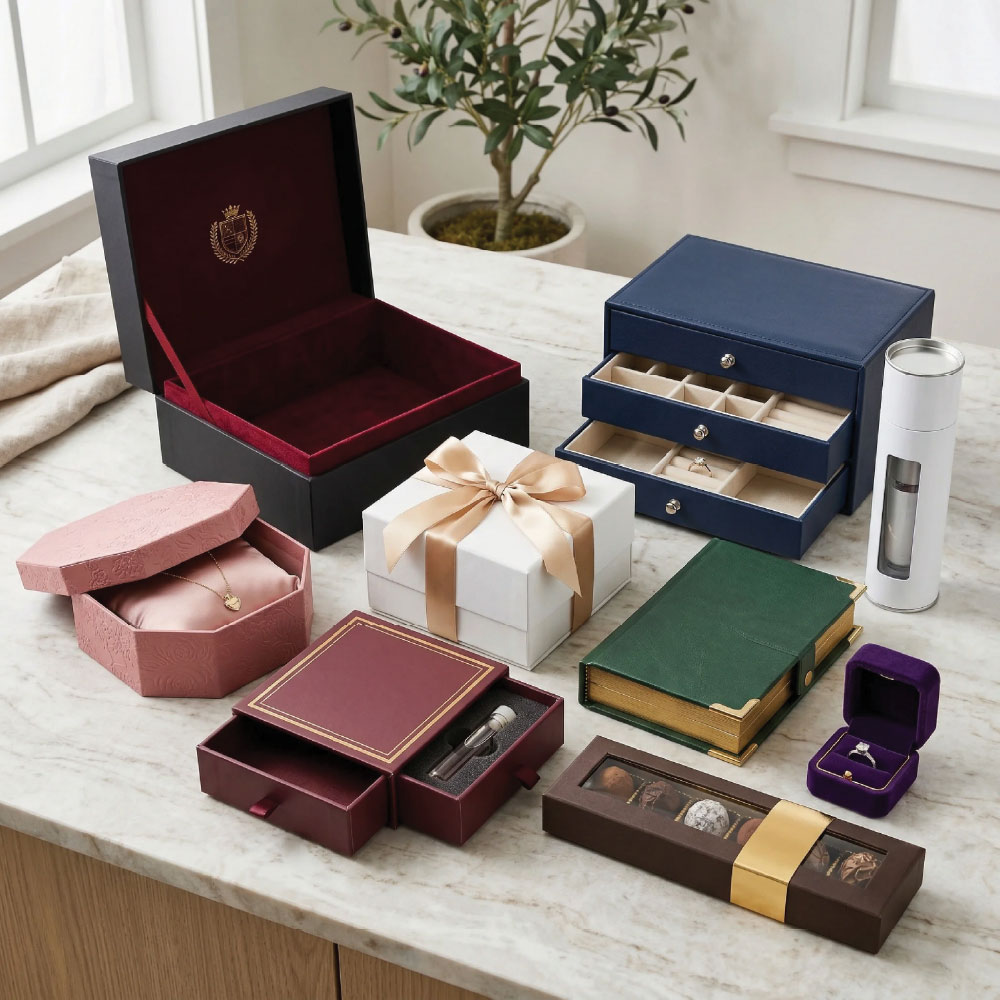
Unlimited Accessories
Meet your exact needs and preferences with easily personalized handles and buttons.
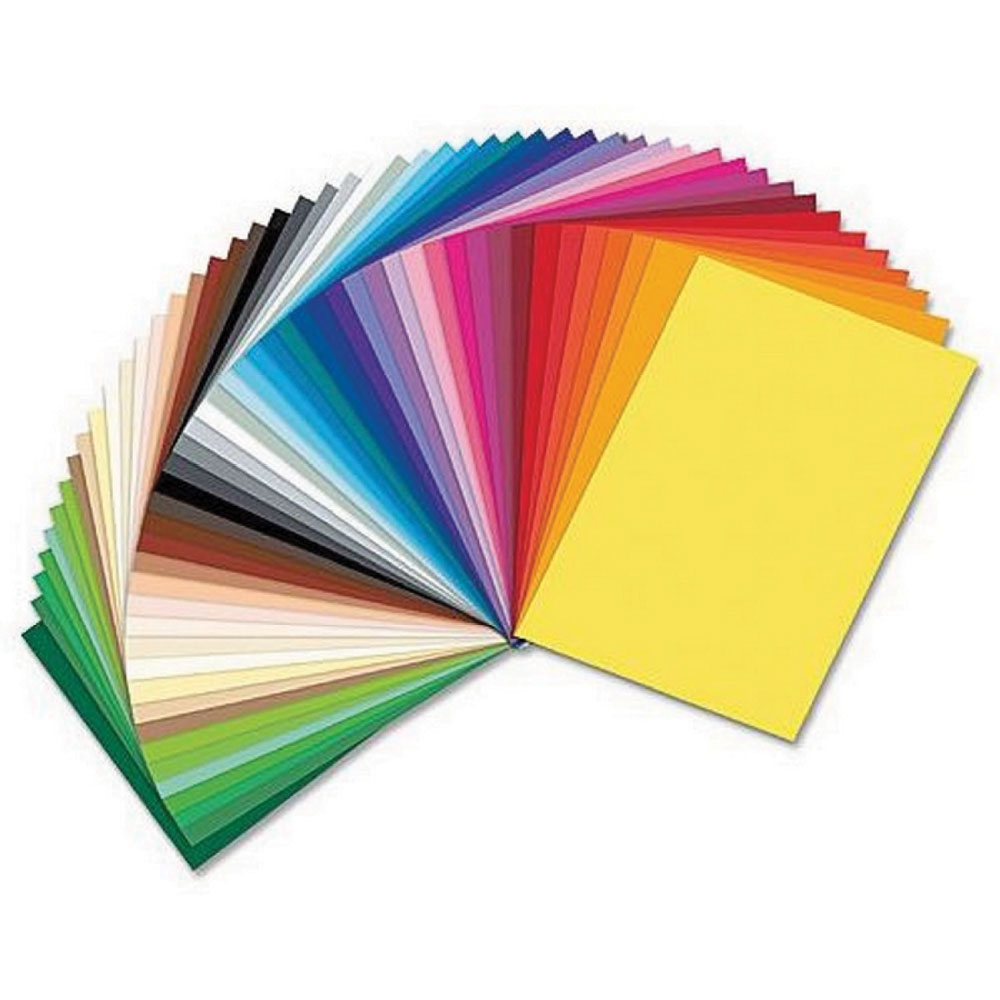
Diversified Papers
Unlimited selection of textured and colored paper.
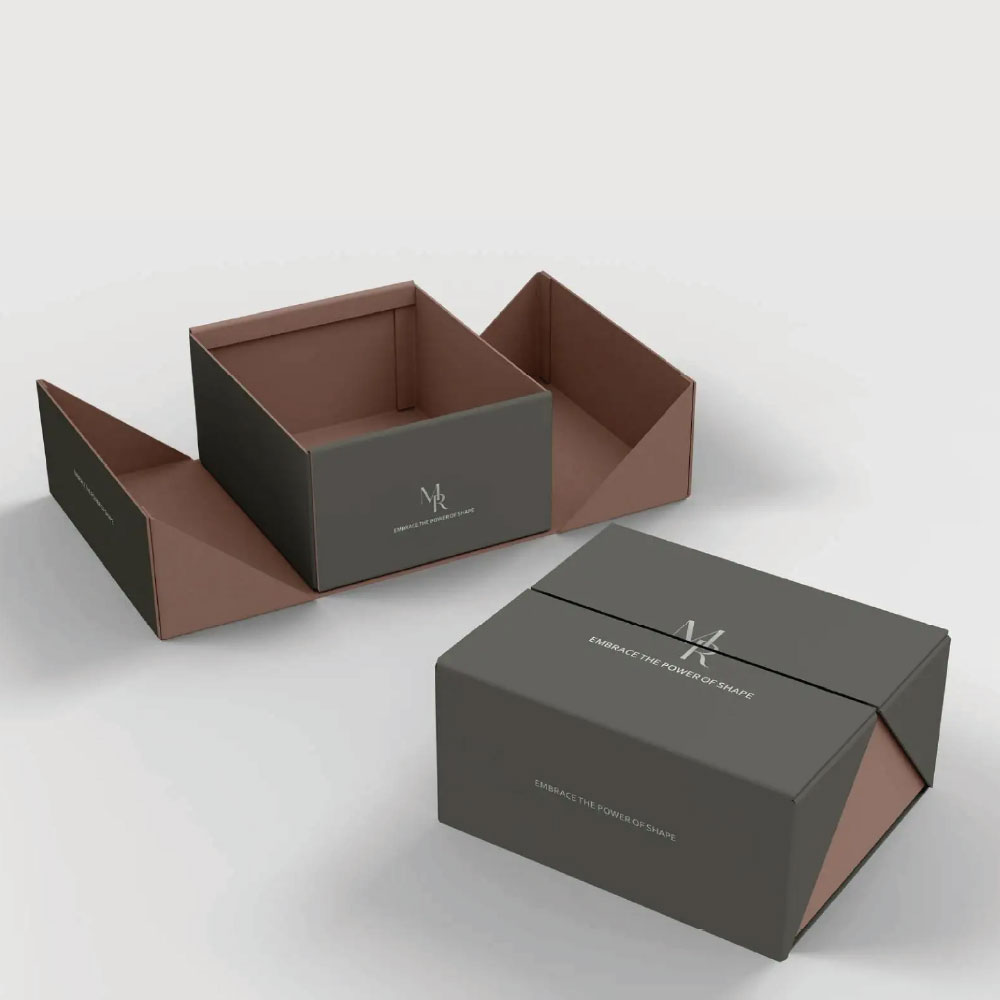
Custom Structure
Fully customized structures tailored to your specifications.
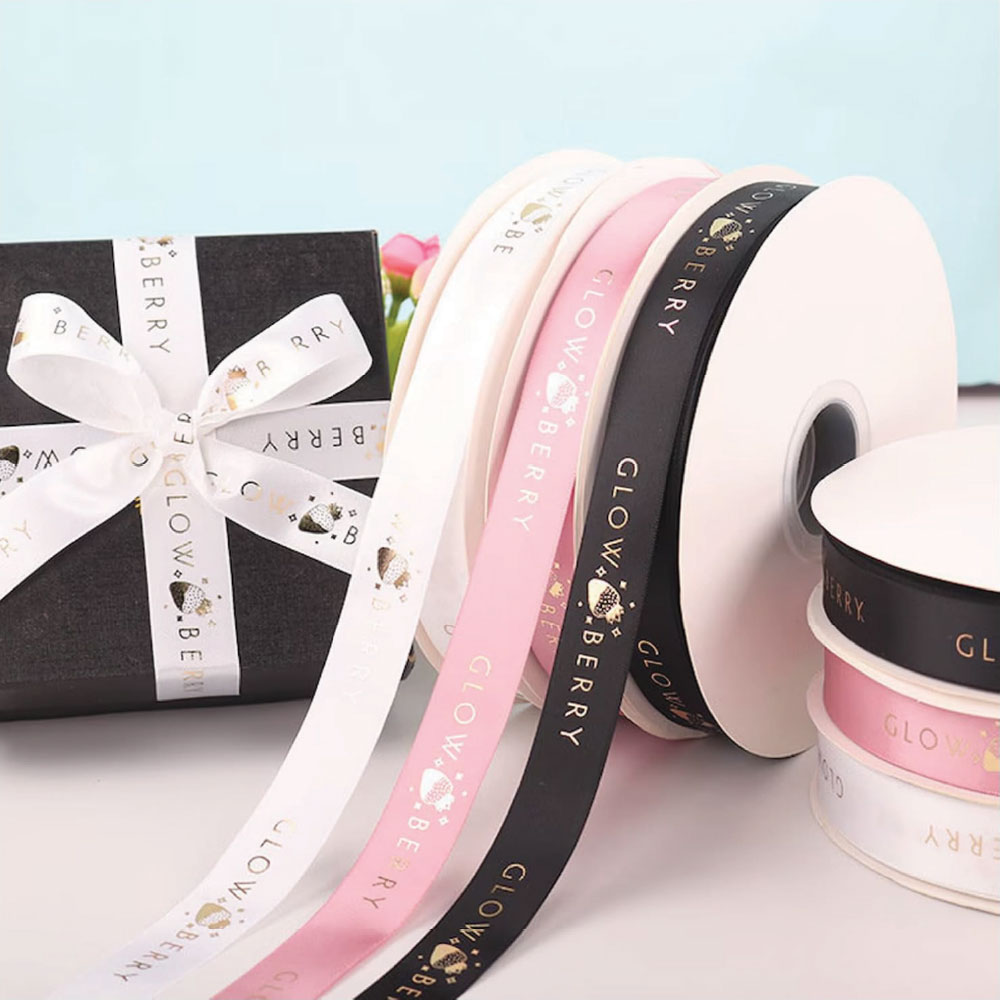
Custom Ribbons
Wide selection of custom luxurious ribbons for you to choose from.
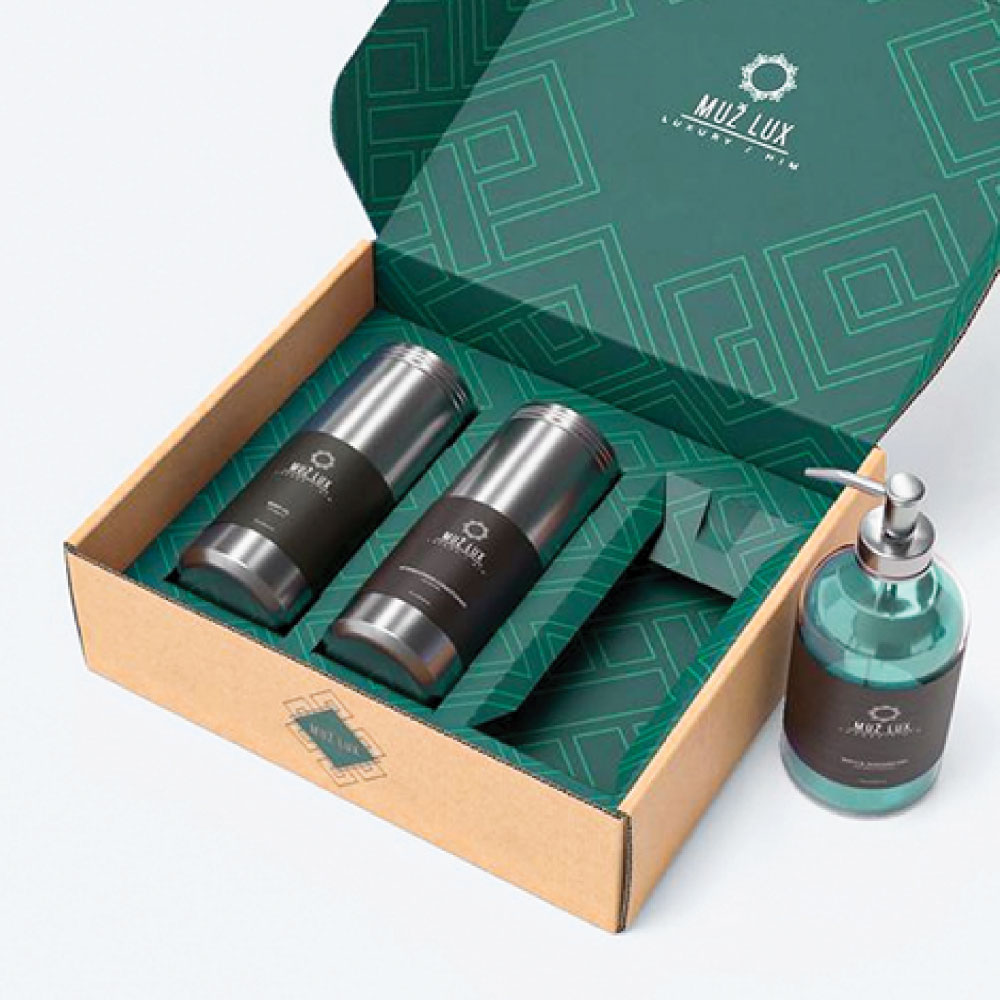
Custom Inserts
Versatile options for a variety of applications to keep products intact.
Material
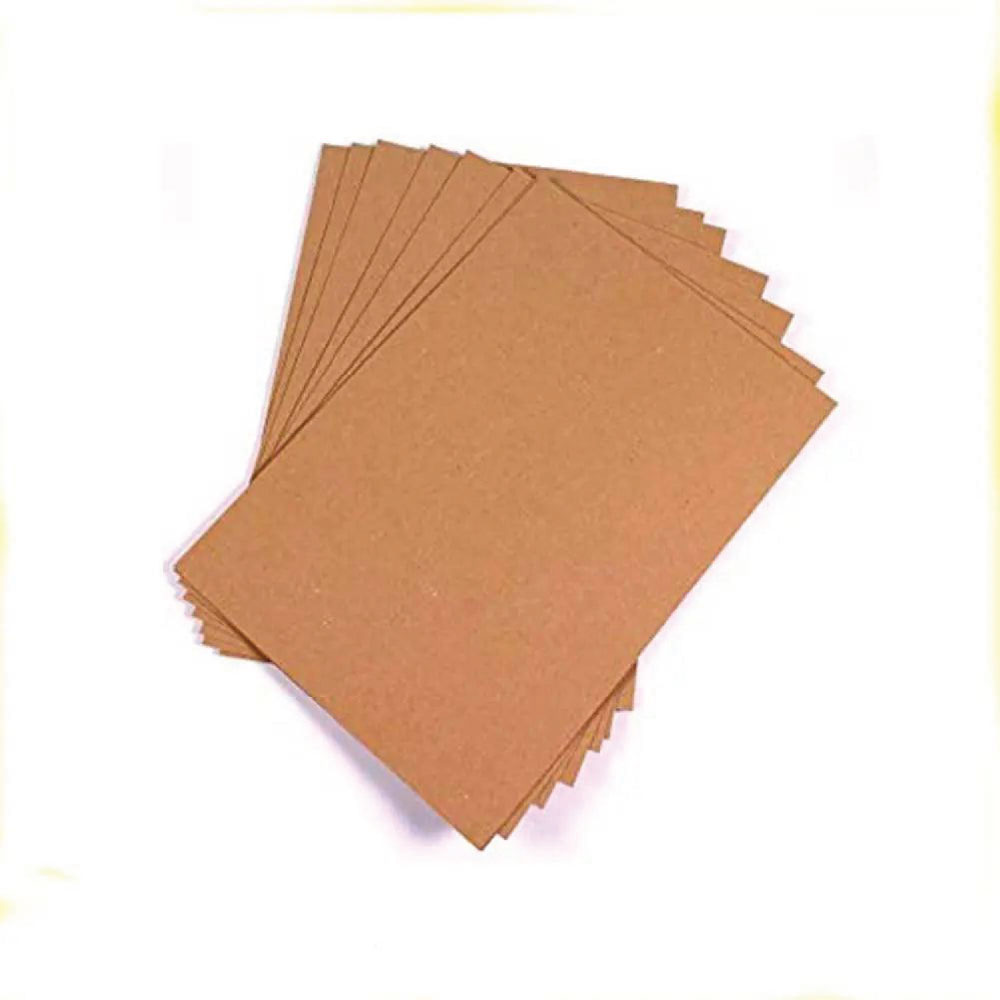
Kraft
Kraft is often used for packaging and ecommerce products because of its durability, elasticity, and environmental benefits.
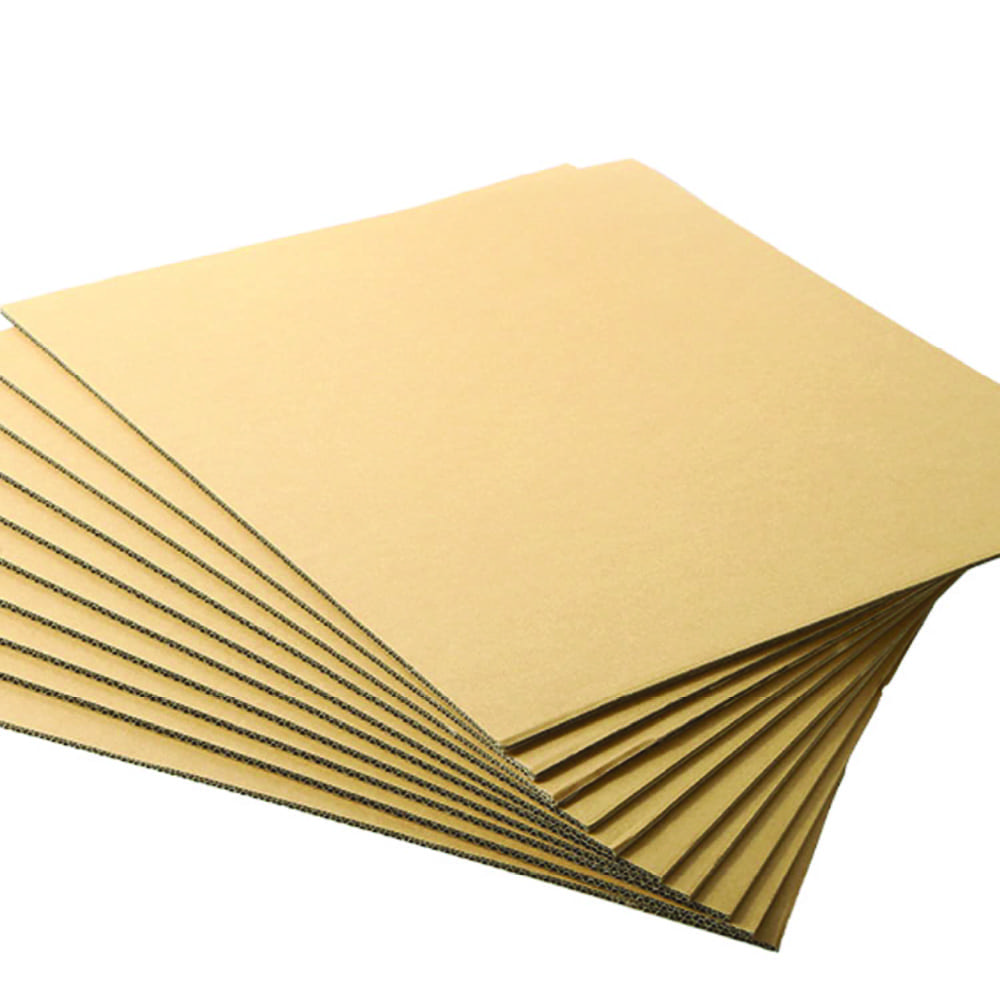
Corrugated
A sturdy packaging material made of three layers of kraft paper. its ideal for heavey or weighted products’ packaging.
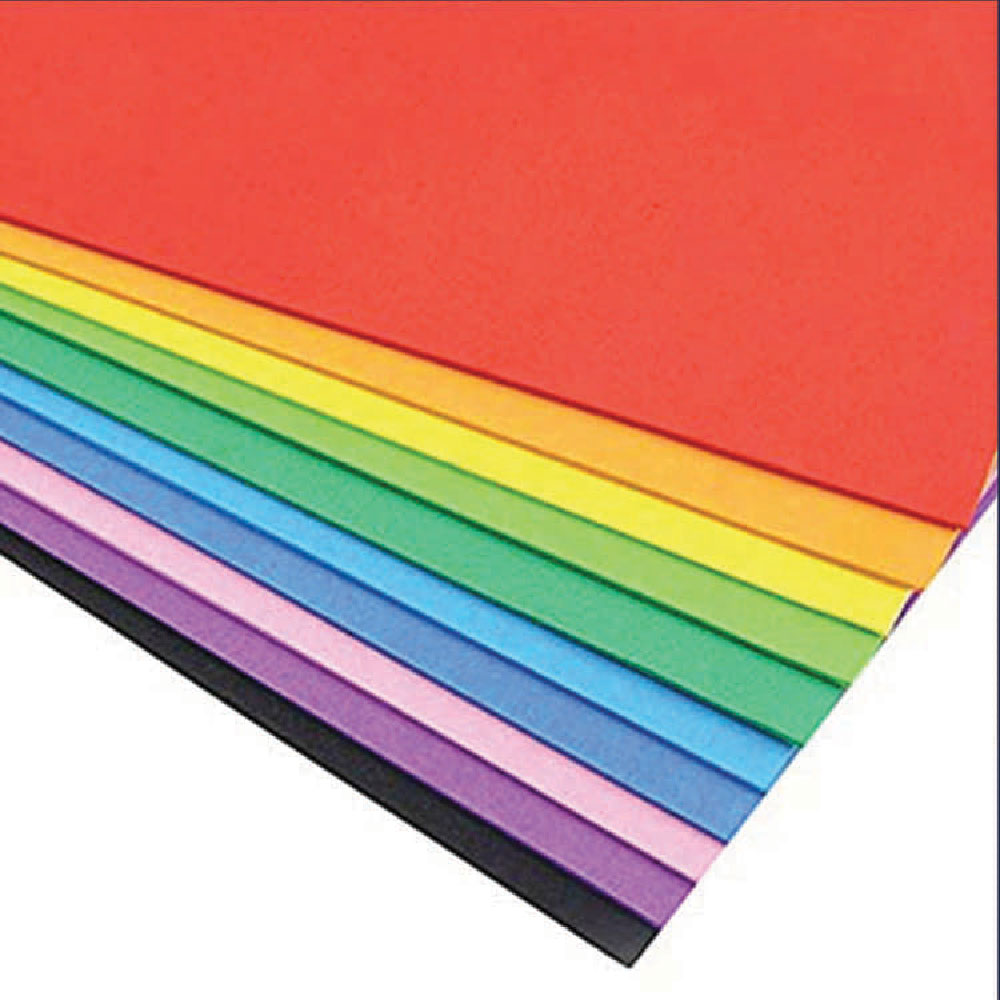
Cardboard
Its made from paper pulp. its strong, lightweight and versatile. its also recycleable.